Duration of Treatment
15 days in Hospitals
Days of Stay
2 months
Anesthesia
Genreral Anesthesia
Cost
45000 to 55000 USD
Uterus Transplant Cost in India
A uterus transplant is a highly specialized surgical procedure in which a healthy uterus from a living or deceased donor is transplanted into a woman who was born without a uterus or has lost it due to disease or surgery. The procedure offers women with Absolute Uterine Factor Infertility (AUFI) the opportunity to carry and give birth to their own biological child through IVF.
India has become one of the preferred destinations for advanced fertility treatments due to its experienced transplant surgeons, internationally accredited hospitals, modern medical technology, and affordable treatment costs.
Uterus Transplant Cost in India
The cost of a uterus transplant in India depends on several factors, including the hospital, surgeon's expertise, donor evaluation, IVF treatment, medications, and post-operative care.
| Treatment | Cost in USD |
|---|---|
| Uterus Transplant Surgery | $25,000 – $45,000 |
| IVF Cycle (Additional) | $3,000 – $6,000 |
| Immunosuppressive Medicines | $2,000 – $5,000 (first year) |
Total Estimated Cost: USD 30,000 – USD 55,000
Note: The final cost may vary depending on the patient's condition, donor availability, hospital stay, and any complications.
What is a Uterus Transplant?
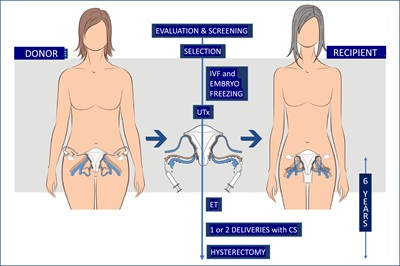
A uterus transplant is a reproductive transplant procedure designed for women who cannot become pregnant because they do not have a functional uterus. Before transplantation, eggs are collected from the recipient and fertilized through IVF. The embryos are frozen until the transplanted uterus has healed successfully. Pregnancy is then achieved through embryo transfer.
Who Needs a Uterus Transplant?
A uterus transplant may be recommended for women with:
- Mayer-Rokitansky-Küster-Hauser (MRKH) Syndrome
- Congenital absence of the uterus
- Previous hysterectomy
- Severe uterine damage
- Non-functioning uterus
- Absolute Uterine Factor Infertility (AUFI)
Who is Eligible?
A candidate should:
- Be between 20 and 40 years of age (in most programs)
- Have healthy ovaries capable of producing eggs
- Be medically fit for major surgery
- Have embryos created through IVF before transplantation
- Have no uncontrolled chronic illness or active cancer
Types of Uterus Donors
Living Donor
A healthy woman voluntarily donates her uterus after careful medical evaluation.
Deceased Donor
The uterus is donated after brain death with family consent and proper legal approval.
Benefits of Uterus Transplant
- Opportunity to experience pregnancy
- Ability to deliver a biological child
- Improved quality of life
- Advanced fertility option for women with AUFI
- Safe procedure in experienced transplant centers
Why Choose India for Uterus Transplant?
India offers:
- Experienced transplant surgeons
- International-standard hospitals
- Advanced IVF laboratories
- Affordable treatment costs
- Modern surgical technology
- High-quality post-transplant care
- Excellent support for international patients
Best Hospitals in India for Uterus Transplant
Hospitals & Surgeons Associated with Uterus Transplant in India
| Hospital | Surgeon | Details |
|---|---|---|
| Galaxy CARE Hospital, Pune | Dr. Shailesh Puntambekar | Pioneer of India's first successful uterus transplant and one of the country's most experienced uterus transplant surgeons. |
| Gleneagles HealthCity, Chennai | Multidisciplinary Uterine Transplant Team | Dedicated uterine transplant program with IVF, transplant surgery, and pregnancy care. |
| Nanavati Max Super Speciality Hospital, Mumbai | Dr. Uddhavraj Dudhedia | Director & Head of Advanced Robotic Gynaecology and the Indo-Swedish Uterine Transplant Program. |
| Max Healthcare | Dr. Uddhavraj Dudhedia (Nanavati Max, part of Max Healthcare) | Provides advanced robotic gynecology and uterus transplant evaluation through the Indo-Swedish Uterine Transplant Program. |
Note: Uterus transplantation is a highly specialized procedure performed only at selected centers in India after strict medical evaluation and regulatory approval. Patients should confirm current program availability with the hospital before planning treatment. Availability of uterus transplant programs varies by hospital and regulatory approvals.
Why Choose Peace Medical Tourism?
Peace Medical Tourism helps international patients receive quality medical care in India by providing:
- Free medical opinion
- Hospital and doctor selection
- Cost estimate before arrival
- Medical visa assistance
- Free visa invitation letter
- Airport pick-up and drop-off
- Hotel and accommodation arrangements
- Language interpreter services
- Dedicated patient coordinator
- Follow-up assistance after treatment
Recovery After Uterus Transplant
- Hospital stay: 10–20 days
- Recovery period: 6–12 weeks
- Embryo transfer: Usually after 6–12 months
- Regular monitoring and immunosuppressive medications are required.
Success Rate of Uterus Transplant in India
The success of a uterus transplant depends on donor quality, surgical expertise, IVF success, and post-operative care. In experienced transplant centers, graft survival rates exceed 80–90%, and successful pregnancies have been reported following transplantation.
Contact Peace Medical Tourism
📱 WhatsApp: +91 9582708782
📧 Email: treatmentquery@gmail.com
🌐 Website: https://bit.ly/3BC00yr
Get a FREE Medical Opinion, Treatment Plan, and Cost Estimate from India's Leading Uterus Transplant Specialists.
Symptoms That May Indicate the Need for a Uterus Transplant
- Absence of the uterus (since birth or after surgery)
- Inability to carry a pregnancy
- Recurrent pregnancy loss due to uterine problems
- Severe uterine abnormalities or damage
- Infertility caused by a non-functioning uterus
Risk Factors for Uterus Transplant
- Major surgical complications
- Infection
- Bleeding
- Organ rejection
- Side effects of immunosuppressive medications
- Blood clots
- Graft failure
- Pregnancy-related complications
- Increased risk of preterm birth
- Need for long-term medical follow-up
Preparation for Uterus Transplant
Before undergoing a uterus transplant, patients should complete the following preparations:
- Comprehensive medical evaluation
- Fertility assessment and IVF planning
- Embryo creation and freezing before surgery
- Blood tests and imaging scans
- Donor compatibility and tissue matching
- Psychological counseling
- Review of current medications
- Stop smoking and avoid alcohol
- Maintain a healthy diet and body weight
- Follow all pre-operative instructions provided by the transplant team
Uterus Transplant Procedure
The uterus transplant procedure involves several carefully planned steps:
- Patient Evaluation – Comprehensive medical tests, fertility assessment, and psychological evaluation are completed.
- Embryo Freezing – Eggs are collected through IVF, fertilized, and the embryos are frozen before the transplant.
- Donor Surgery – A healthy uterus is carefully removed from a living or deceased donor.
- Uterus Transplantation – The donor uterus is surgically implanted, and blood vessels and supporting tissues are connected.
- Recovery & Monitoring – The patient receives immunosuppressive medications and is closely monitored to ensure the transplanted uterus is functioning properly.
- Embryo Transfer – After 6–12 months, once the uterus has healed, a frozen embryo is transferred into the transplanted uterus.
- Pregnancy & Delivery – Pregnancy is closely monitored by a multidisciplinary team, and delivery is usually performed by cesarean section.
- Post-Pregnancy Care – After one or two successful pregnancies, the transplanted uterus may be removed to avoid lifelong immunosuppressive medication.
Post-Procedure Care After Uterus Transplant
After a uterus transplant, careful follow-up is essential to ensure successful recovery and future pregnancy.
- Stay in the hospital for 10–20 days for close monitoring.
- Take immunosuppressive medications as prescribed to prevent organ rejection.
- Attend regular follow-up appointments, blood tests, and imaging scans.
- Watch for signs of infection, bleeding, or organ rejection.
- Follow a healthy, balanced diet and stay well-hydrated.
- Avoid heavy lifting and strenuous physical activities for 6–8 weeks.
- Take all prescribed medications on time.
- Maintain good personal hygiene to reduce the risk of infection.
- Embryo transfer is usually planned 6–12 months after the transplant, once the uterus has healed.
- Continue regular prenatal care if pregnancy is achieved.
Success Rate of Uterus Transplant in India
The success of a uterus transplant depends on several factors, including the patient's overall health, donor compatibility, surgical expertise, IVF success, and post-transplant care.
- Uterus graft survival rate: 80–90% in experienced transplant centers.
- Successful pregnancy rate: Approximately 60–80% after successful embryo transfer in carefully selected patients.
- Live birth rate: More than 50% among women who achieve pregnancy following a successful uterus transplant.
Choosing an experienced transplant team, following the prescribed medications, and attending regular follow-up visits can significantly improve the chances of a successful pregnancy and healthy delivery.
Frequently Asked Questions (FAQs) About Uterus Transplant in India
1. What is a uterus transplant?
A uterus transplant is a surgical procedure in which a healthy uterus from a living or deceased donor is transplanted into a woman who does not have a functional uterus, allowing her to carry a pregnancy.
2. Who is eligible for a uterus transplant?
Women with Absolute Uterine Factor Infertility (AUFI), congenital absence of the uterus (MRKH syndrome), previous hysterectomy, or severe uterine damage may be eligible after a thorough medical evaluation.
3. How much does a uterus transplant cost in India?
The cost of a uterus transplant in India generally ranges from USD 30,000 to USD 55,000, depending on the hospital, surgeon's expertise, IVF treatment, medications, and post-operative care.
4. Is IVF required before a uterus transplant?
Yes. IVF is an essential part of the process. Eggs are collected, fertilized, and embryos are frozen before the transplant. The embryos are transferred after the transplanted uterus has healed.
5. How long does the uterus transplant surgery take?
The transplant surgery usually takes 6 to 12 hours, depending on the complexity of the procedure.
6. How long is the hospital stay after a uterus transplant?
Most patients remain in the hospital for 10 to 20 days, followed by regular outpatient follow-up visits.
7. When can pregnancy be attempted after a uterus transplant?
Pregnancy is usually attempted 6 to 12 months after the transplant, once the uterus has healed and there are no signs of rejection.
8. What is the success rate of uterus transplant in India?
In experienced transplant centers, the uterus graft survival rate is 80–90%, while successful pregnancy rates range from 60–80% after embryo transfer in carefully selected patients.
9. What are the risks of a uterus transplant?
Potential risks include infection, bleeding, blood clots, organ rejection, side effects of immunosuppressive medications, and pregnancy-related complications. Regular follow-up helps reduce these risks.
10. Can international patients undergo a uterus transplant in India?
Yes. Many leading hospitals in India accept international patients and provide assistance with medical visas, airport transfers, accommodation, and interpreter services.
11. How long is the recovery period?
Most patients recover from surgery within 6 to 12 weeks, although complete recovery and preparation for pregnancy may take several months.
12. Will I need lifelong medication after a uterus transplant?
Patients need immunosuppressive medications while the transplanted uterus remains in place. In many cases, the uterus is removed after one or two successful pregnancies, allowing these medications to be discontinued under medical supervision.
13. Why choose India for a uterus transplant?
India offers experienced transplant surgeons, internationally accredited hospitals, advanced fertility and IVF centers, modern technology, high success rates, and affordable treatment compared to many other countries.
14. Why choose Peace Medical Tourism?
Peace Medical Tourism provides comprehensive support for international patients, including:
- Free medical opinion
- Treatment cost estimate
- Hospital and doctor selection
- Medical visa assistance
- Free visa invitation letter
- Airport pick-up and drop-off
- Accommodation assistance
- Dedicated patient coordinator
- 24/7 support throughout your treatment journey
If you're looking for an affordable uterus transplant in India, Peace Medical Tourism connects international patients with some of the best uterus transplant hospitals in India and highly experienced uterus transplant surgeons. We assist patients throughout every stage of treatment, including medical evaluation, IVF and uterus transplant planning, hospital selection, visa assistance, airport transfers, accommodation, and post-operative care. Whether you are seeking treatment for Absolute Uterine Factor Infertility (AUFI), MRKH syndrome, or other causes of female infertility, we help you access world-class care at competitive prices. Learn everything about uterus transplant cost in India, the procedure, recovery, success rate, and leading fertility and transplant specialists with the trusted support of Peace Medical Tourism.
Top Doctors

Top Hospitals






















UTERUS TRANSPLANT COST IN INDIA
Duration of Treatment
15 days in Hospitals
Days of Stay
2 months
Anesthesia
Genreral Anesthesia
Cost
45000 to 55000 USD
Uterus Transplant Cost in India
A uterus transplant is a highly specialized surgical procedure in which a healthy uterus from a living or deceased donor is transplanted into a woman who was born without a uterus or has lost it due to disease or surgery. The procedure offers women with Absolute Uterine Factor Infertility (AUFI) the opportunity to carry and give birth to their own biological child through IVF.
India has become one of the preferred destinations for advanced fertility treatments due to its experienced transplant surgeons, internationally accredited hospitals, modern medical technology, and affordable treatment costs.
Uterus Transplant Cost in India
The cost of a uterus transplant in India depends on several factors, including the hospital, surgeon's expertise, donor evaluation, IVF treatment, medications, and post-operative care.
| Treatment | Cost in USD |
|---|---|
| Uterus Transplant Surgery | $25,000 – $45,000 |
| IVF Cycle (Additional) | $3,000 – $6,000 |
| Immunosuppressive Medicines | $2,000 – $5,000 (first year) |
Total Estimated Cost: USD 30,000 – USD 55,000
Note: The final cost may vary depending on the patient's condition, donor availability, hospital stay, and any complications.
What is a Uterus Transplant?
A uterus transplant is a reproductive transplant procedure designed for women who cannot become pregnant because they do not have a functional uterus. Before transplantation, eggs are collected from the recipient and fertilized through IVF. The embryos are frozen until the transplanted uterus has healed successfully. Pregnancy is then achieved through embryo transfer.
Who Needs a Uterus Transplant?
A uterus transplant may be recommended for women with:
- Mayer-Rokitansky-Küster-Hauser (MRKH) Syndrome
- Congenital absence of the uterus
- Previous hysterectomy
- Severe uterine damage
- Non-functioning uterus
- Absolute Uterine Factor Infertility (AUFI)
Who is Eligible?
A candidate should:
- Be between 20 and 40 years of age (in most programs)
- Have healthy ovaries capable of producing eggs
- Be medically fit for major surgery
- Have embryos created through IVF before transplantation
- Have no uncontrolled chronic illness or active cancer
Types of Uterus Donors
Living Donor
A healthy woman voluntarily donates her uterus after careful medical evaluation.
Deceased Donor
The uterus is donated after brain death with family consent and proper legal approval.
Benefits of Uterus Transplant
- Opportunity to experience pregnancy
- Ability to deliver a biological child
- Improved quality of life
- Advanced fertility option for women with AUFI
- Safe procedure in experienced transplant centers
Why Choose India for Uterus Transplant?
India offers:
- Experienced transplant surgeons
- International-standard hospitals
- Advanced IVF laboratories
- Affordable treatment costs
- Modern surgical technology
- High-quality post-transplant care
- Excellent support for international patients
Best Hospitals in India for Uterus Transplant
Hospitals & Surgeons Associated with Uterus Transplant in India
| Hospital | Surgeon | Details |
|---|---|---|
| Galaxy CARE Hospital, Pune | Dr. Shailesh Puntambekar | Pioneer of India's first successful uterus transplant and one of the country's most experienced uterus transplant surgeons. |
| Gleneagles HealthCity, Chennai | Multidisciplinary Uterine Transplant Team | Dedicated uterine transplant program with IVF, transplant surgery, and pregnancy care. |
| Nanavati Max Super Speciality Hospital, Mumbai | Dr. Uddhavraj Dudhedia | Director & Head of Advanced Robotic Gynaecology and the Indo-Swedish Uterine Transplant Program. |
| Max Healthcare | Dr. Uddhavraj Dudhedia (Nanavati Max, part of Max Healthcare) | Provides advanced robotic gynecology and uterus transplant evaluation through the Indo-Swedish Uterine Transplant Program. |
Note: Uterus transplantation is a highly specialized procedure performed only at selected centers in India after strict medical evaluation and regulatory approval. Patients should confirm current program availability with the hospital before planning treatment. Availability of uterus transplant programs varies by hospital and regulatory approvals.
Why Choose Peace Medical Tourism?
Peace Medical Tourism helps international patients receive quality medical care in India by providing:
- Free medical opinion
- Hospital and doctor selection
- Cost estimate before arrival
- Medical visa assistance
- Free visa invitation letter
- Airport pick-up and drop-off
- Hotel and accommodation arrangements
- Language interpreter services
- Dedicated patient coordinator
- Follow-up assistance after treatment
Recovery After Uterus Transplant
- Hospital stay: 10–20 days
- Recovery period: 6–12 weeks
- Embryo transfer: Usually after 6–12 months
- Regular monitoring and immunosuppressive medications are required.
Success Rate of Uterus Transplant in India
The success of a uterus transplant depends on donor quality, surgical expertise, IVF success, and post-operative care. In experienced transplant centers, graft survival rates exceed 80–90%, and successful pregnancies have been reported following transplantation.
Contact Peace Medical Tourism
📱 WhatsApp: +91 9582708782
📧 Email: treatmentquery@gmail.com
🌐 Website: https://bit.ly/3BC00yr
Get a FREE Medical Opinion, Treatment Plan, and Cost Estimate from India's Leading Uterus Transplant Specialists.
symptoms
Symptoms That May Indicate the Need for a Uterus Transplant
- Absence of the uterus (since birth or after surgery)
- Inability to carry a pregnancy
- Recurrent pregnancy loss due to uterine problems
- Severe uterine abnormalities or damage
- Infertility caused by a non-functioning uterus
risk factors
Risk Factors for Uterus Transplant
- Major surgical complications
- Infection
- Bleeding
- Organ rejection
- Side effects of immunosuppressive medications
- Blood clots
- Graft failure
- Pregnancy-related complications
- Increased risk of preterm birth
- Need for long-term medical follow-up
preparation
Preparation for Uterus Transplant
Before undergoing a uterus transplant, patients should complete the following preparations:
- Comprehensive medical evaluation
- Fertility assessment and IVF planning
- Embryo creation and freezing before surgery
- Blood tests and imaging scans
- Donor compatibility and tissue matching
- Psychological counseling
- Review of current medications
- Stop smoking and avoid alcohol
- Maintain a healthy diet and body weight
- Follow all pre-operative instructions provided by the transplant team
procedure
Uterus Transplant Procedure
The uterus transplant procedure involves several carefully planned steps:
- Patient Evaluation – Comprehensive medical tests, fertility assessment, and psychological evaluation are completed.
- Embryo Freezing – Eggs are collected through IVF, fertilized, and the embryos are frozen before the transplant.
- Donor Surgery – A healthy uterus is carefully removed from a living or deceased donor.
- Uterus Transplantation – The donor uterus is surgically implanted, and blood vessels and supporting tissues are connected.
- Recovery & Monitoring – The patient receives immunosuppressive medications and is closely monitored to ensure the transplanted uterus is functioning properly.
- Embryo Transfer – After 6–12 months, once the uterus has healed, a frozen embryo is transferred into the transplanted uterus.
- Pregnancy & Delivery – Pregnancy is closely monitored by a multidisciplinary team, and delivery is usually performed by cesarean section.
- Post-Pregnancy Care – After one or two successful pregnancies, the transplanted uterus may be removed to avoid lifelong immunosuppressive medication.
post procedure
Post-Procedure Care After Uterus Transplant
After a uterus transplant, careful follow-up is essential to ensure successful recovery and future pregnancy.
- Stay in the hospital for 10–20 days for close monitoring.
- Take immunosuppressive medications as prescribed to prevent organ rejection.
- Attend regular follow-up appointments, blood tests, and imaging scans.
- Watch for signs of infection, bleeding, or organ rejection.
- Follow a healthy, balanced diet and stay well-hydrated.
- Avoid heavy lifting and strenuous physical activities for 6–8 weeks.
- Take all prescribed medications on time.
- Maintain good personal hygiene to reduce the risk of infection.
- Embryo transfer is usually planned 6–12 months after the transplant, once the uterus has healed.
- Continue regular prenatal care if pregnancy is achieved.
success rate
Success Rate of Uterus Transplant in India
The success of a uterus transplant depends on several factors, including the patient's overall health, donor compatibility, surgical expertise, IVF success, and post-transplant care.
- Uterus graft survival rate: 80–90% in experienced transplant centers.
- Successful pregnancy rate: Approximately 60–80% after successful embryo transfer in carefully selected patients.
- Live birth rate: More than 50% among women who achieve pregnancy following a successful uterus transplant.
Choosing an experienced transplant team, following the prescribed medications, and attending regular follow-up visits can significantly improve the chances of a successful pregnancy and healthy delivery.
faqs from doctor
Frequently Asked Questions (FAQs) About Uterus Transplant in India
1. What is a uterus transplant?
A uterus transplant is a surgical procedure in which a healthy uterus from a living or deceased donor is transplanted into a woman who does not have a functional uterus, allowing her to carry a pregnancy.
2. Who is eligible for a uterus transplant?
Women with Absolute Uterine Factor Infertility (AUFI), congenital absence of the uterus (MRKH syndrome), previous hysterectomy, or severe uterine damage may be eligible after a thorough medical evaluation.
3. How much does a uterus transplant cost in India?
The cost of a uterus transplant in India generally ranges from USD 30,000 to USD 55,000, depending on the hospital, surgeon's expertise, IVF treatment, medications, and post-operative care.
4. Is IVF required before a uterus transplant?
Yes. IVF is an essential part of the process. Eggs are collected, fertilized, and embryos are frozen before the transplant. The embryos are transferred after the transplanted uterus has healed.
5. How long does the uterus transplant surgery take?
The transplant surgery usually takes 6 to 12 hours, depending on the complexity of the procedure.
6. How long is the hospital stay after a uterus transplant?
Most patients remain in the hospital for 10 to 20 days, followed by regular outpatient follow-up visits.
7. When can pregnancy be attempted after a uterus transplant?
Pregnancy is usually attempted 6 to 12 months after the transplant, once the uterus has healed and there are no signs of rejection.
8. What is the success rate of uterus transplant in India?
In experienced transplant centers, the uterus graft survival rate is 80–90%, while successful pregnancy rates range from 60–80% after embryo transfer in carefully selected patients.
9. What are the risks of a uterus transplant?
Potential risks include infection, bleeding, blood clots, organ rejection, side effects of immunosuppressive medications, and pregnancy-related complications. Regular follow-up helps reduce these risks.
10. Can international patients undergo a uterus transplant in India?
Yes. Many leading hospitals in India accept international patients and provide assistance with medical visas, airport transfers, accommodation, and interpreter services.
11. How long is the recovery period?
Most patients recover from surgery within 6 to 12 weeks, although complete recovery and preparation for pregnancy may take several months.
12. Will I need lifelong medication after a uterus transplant?
Patients need immunosuppressive medications while the transplanted uterus remains in place. In many cases, the uterus is removed after one or two successful pregnancies, allowing these medications to be discontinued under medical supervision.
13. Why choose India for a uterus transplant?
India offers experienced transplant surgeons, internationally accredited hospitals, advanced fertility and IVF centers, modern technology, high success rates, and affordable treatment compared to many other countries.
14. Why choose Peace Medical Tourism?
Peace Medical Tourism provides comprehensive support for international patients, including:
- Free medical opinion
- Treatment cost estimate
- Hospital and doctor selection
- Medical visa assistance
- Free visa invitation letter
- Airport pick-up and drop-off
- Accommodation assistance
- Dedicated patient coordinator
- 24/7 support throughout your treatment journey
If you're looking for an affordable uterus transplant in India, Peace Medical Tourism connects international patients with some of the best uterus transplant hospitals in India and highly experienced uterus transplant surgeons. We assist patients throughout every stage of treatment, including medical evaluation, IVF and uterus transplant planning, hospital selection, visa assistance, airport transfers, accommodation, and post-operative care. Whether you are seeking treatment for Absolute Uterine Factor Infertility (AUFI), MRKH syndrome, or other causes of female infertility, we help you access world-class care at competitive prices. Learn everything about uterus transplant cost in India, the procedure, recovery, success rate, and leading fertility and transplant specialists with the trusted support of Peace Medical Tourism.