Duration of Treatment
4 hours
Days of Stay
3 months
Anesthesia
General Anesthesia
Cost
35000 to 40000 USD
Epidural Stimulation Surgery Cost in India
Are You Looking for Epidural Stimulation Surgery Cost in India?
Epidural Stimulation Surgery in India is an advanced treatment option for patients suffering from spinal cord injuries (SCI), chronic neuropathic pain, paralysis, and certain neurological disorders. India has become one of the leading destinations for this procedure due to its experienced neurosurgeons, modern hospitals, affordable treatment costs, and excellent rehabilitation programs.
Compared to countries like the USA, UK, Australia, and Europe, patients can save 50%–70% on treatment costs while receiving world-class medical care.
Epidural Stimulation Surgery Cost in India
The average Epidural Stimulation Surgery Cost in India ranges between:
| Treatment | Cost in USD | Cost in INR |
|---|---|---|
| Epidural Stimulation Surgery | USD 35,000 to 45000 | ₹30,00,000 to 40,00,000 |
The treatment cost depends on:
- Type of spinal cord injury
- Implant/device used
- Hospital category
- Neurosurgeon's experience
- ICU stay
- Rehabilitation duration
- Diagnostic investigations
- Patient's medical condition
Why Choose India for Epidural Stimulation Surgery?
India has become a preferred destination because of:
- Highly experienced neurosurgeons
- Advanced spinal surgery technology
- Affordable treatment packages
- Modern rehabilitation centers
- International patient support
- English-speaking medical teams
- High-quality postoperative care
Why Choose Peace Medical Tourism?
Peace Medical Tourism assists international patients throughout their treatment journey in India by providing:
- Free Medical Opinion
- Best Hospital Selection
- Experienced Neurosurgeons
- Cost Estimation
- Visa Assistance
- Airport Pick-up
- Hotel Booking
- Translator Services
- Local Support
- Follow-up Coordination
What is Epidural Stimulation Surgery?
Epidural Stimulation Surgery (EES) is a minimally invasive procedure where a small electrical stimulation device is implanted over the spinal cord. The device delivers controlled electrical impulses that help improve communication between the brain and spinal nerves.
The treatment may help patients improve:
- Standing ability
- Walking with assistance
- Muscle strength
- Balance
- Bladder and bowel control
- Blood pressure regulation
- Quality of life
The procedure is usually combined with intensive physical rehabilitation for the best possible outcomes.
Benefits of Epidural Stimulation Surgery
- Improved mobility
- Better standing balance
- Enhanced muscle control
- Reduced chronic pain
- Better bladder function
- Improved bowel function
- Enhanced cardiovascular function
- Improved quality of life
Who is a Good Candidate?
Your doctor may recommend Epidural Stimulation Surgery if you have:
- Spinal Cord Injury
- Chronic Paralysis
- Loss of Movement
- Chronic Neuropathic Pain
- Failed Back Surgery Syndrome
- Incomplete Spinal Cord Injury
A complete neurological evaluation is necessary before surgery.
Symptoms That May Indicate the Need for Epidural Stimulation Surgery
Patients who may benefit from Epidural Stimulation Surgery (EES) often have symptoms related to spinal cord injury (SCI) or certain neurological disorders. While not every patient is a candidate, the following symptoms are commonly seen:
- Difficulty standing or walking
- Partial or complete paralysis of the legs
- Loss of muscle strength and movement
- Poor balance and coordination
- Chronic neuropathic (nerve) pain
- Muscle stiffness or spasticity
- Numbness or reduced sensation in the limbs
- Loss of bladder control (urinary incontinence or retention)
- Loss of bowel control
- Sexual dysfunction related to spinal cord injury
- Low blood pressure when sitting or standing (orthostatic hypotension)
- Difficulty performing daily activities independently
- Reduced mobility and quality of life
- Persistent weakness after spinal cord injury despite rehabilitation
When Should You Consult a Spine Specialist?
You should consult an experienced spine surgeon or neurosurgeon if you:
- Have suffered a spinal cord injury and continue to experience paralysis or severe weakness.
- Have chronic nerve pain that does not improve with medication or physical therapy.
- Have difficulty standing or walking despite rehabilitation.
- Experience loss of bladder or bowel control after a spinal injury.
- Want to know whether Epidural Stimulation Surgery is a suitable treatment option for your condition.
Note: Epidural Stimulation Surgery is not suitable for every patient with paralysis or spinal cord injury. A detailed neurological evaluation, MRI scans, and other diagnostic tests are necessary to determine eligibility.
Risk Factors of Epidural Stimulation Surgery
Like any surgical procedure, Epidural Stimulation Surgery (EES) carries certain risks and potential complications. Although the procedure is generally considered safe when performed by experienced neurosurgeons, patients should be aware of the following risk factors:
- Infection at the surgical site or around the implanted device
- Bleeding or hematoma formation
- Cerebrospinal fluid (CSF) leak
- Damage to nerves or the spinal cord (rare)
- Pain or discomfort at the implant site
- Movement or displacement of the electrodes
- Device malfunction or battery-related issues
- Allergic reaction to the implant materials or medications
- Failure to achieve the expected improvement in symptoms
- Need for revision or replacement surgery
- Blood clots (Deep Vein Thrombosis or Pulmonary Embolism)
- Risks associated with general anesthesia
- Temporary numbness or muscle weakness after surgery
- Scar tissue formation around the implanted electrodes
- Skin erosion over the implanted device (rare)
How Can the Risks Be Reduced?
Most complications can be minimized by:
- Choosing an experienced neurosurgeon and a specialized spine center.
- Undergoing a comprehensive pre-operative evaluation.
- Following all pre- and post-operative instructions carefully.
- Keeping the surgical wound clean and attending scheduled follow-up visits.
- Participating in a structured rehabilitation and physiotherapy program.
- Reporting any signs of infection, fever, severe pain, or device-related problems to your doctor immediately.
Note: While Epidural Stimulation Surgery can improve function and quality of life in carefully selected patients, outcomes vary. Your neurosurgeon will discuss the potential benefits and risks based on your individual condition before recommending the procedure.
Preparation for Epidural Stimulation Surgery in India
Proper preparation before Epidural Stimulation Surgery (EES) helps improve the chances of a successful procedure and a smooth recovery. Your medical team will conduct a detailed evaluation to determine whether you are a suitable candidate for the surgery.
1. Medical Evaluation
Before surgery, your doctor will perform a comprehensive assessment, which may include:
- Complete medical history and physical examination
- Neurological evaluation
- MRI or CT scan of the spine
- Blood tests
- Electrocardiogram (ECG) and chest X-ray (if required)
- Assessment of bladder and bowel function
- Review of previous spine surgeries and treatments
2. Confirm Your Eligibility
Not every patient with paralysis or spinal cord injury is a candidate for Epidural Stimulation Surgery. Your neurosurgeon will determine your suitability based on:
- Type and level of spinal cord injury
- Duration of the injury
- Overall health condition
- Rehabilitation potential
- Expected treatment goals
3. Medication Review
Inform your doctor about all medications, vitamins, and herbal supplements you are taking. You may be advised to:
- Stop blood-thinning medications several days before surgery.
- Adjust medications for diabetes, blood pressure, or heart conditions.
- Avoid smoking and alcohol before the procedure.
4. Pre-Surgical Instructions
Your healthcare team may recommend:
- Fasting for 6–8 hours before surgery.
- Taking only approved medications with a small sip of water.
- Bathing with an antiseptic soap before admission.
- Removing jewelry, contact lenses, nail polish, and other valuables before surgery.
5. Arrange Your Travel to India
International patients should prepare:
- Valid passport and medical visa
- Medical records, MRI scans, and previous treatment reports
- Prescription medications
- Travel insurance (if applicable)
- Comfortable clothing and personal essentials
6. Plan Your Hospital Stay
Most patients stay in the hospital for 7–14 days, depending on their condition. It is advisable to:
- Arrange accommodation for family members or caregivers.
- Plan transportation after discharge.
- Ensure someone is available to assist during the initial recovery period.
7. Prepare for Rehabilitation
Rehabilitation is a vital part of treatment. Before surgery:
- Discuss your rehabilitation plan with your medical team.
- Understand the expected duration of physiotherapy.
- Be prepared for regular follow-up visits and device programming after surgery.
8. Maintain a Healthy Lifestyle
To improve surgical outcomes:
- Eat a balanced, protein-rich diet.
- Stay well hydrated.
- Get adequate sleep.
- Perform any recommended pre-operative exercises.
- Stop smoking and avoid alcohol, as these can delay healing and increase the risk of complications.
Preparation Checklist for International Patients
✔ Medical reports and imaging scans
✔ Valid passport and medical visa
✔ Flight and accommodation arrangements
✔ Financial planning and insurance documents
✔ Medication list and prescriptions
✔ Comfortable clothing and personal hygiene items
✔ Emergency contact information
✔ Follow-up and rehabilitation plan
Peace Medical Tourism Assistance
Peace Medical Tourism provides complete support for international patients, including:
- Free medical opinion
- Hospital and doctor selection
- Treatment cost estimation
- Medical visa invitation letter
- Airport pick-up and drop-off
- Hotel and accommodation arrangements
- Language interpreter services
- Local travel assistance
- Follow-up coordination after treatment
Proper preparation before Epidural Stimulation Surgery can help ensure a safer procedure, faster recovery, and better rehabilitation outcomes. Consult your neurosurgeon to receive personalized instructions based on your medical condition.
Procedure of Epidural Stimulation Surgery
Epidural Stimulation Surgery (EES) is an advanced neurosurgical procedure in which a small electrical stimulation device is implanted over the spinal cord to deliver controlled electrical impulses. These impulses help activate nerve pathways below the spinal cord injury, potentially improving movement, muscle control, and other bodily functions in selected patients.
Step-by-Step Procedure
1. Pre-operative Assessment
Before surgery, the medical team performs a detailed evaluation, including:
- Physical and neurological examination
- MRI or CT scan of the spine
- Blood tests and cardiac evaluation
- Review of previous treatments and rehabilitation progress
- Discussion of the expected benefits and risks of the procedure
2. Administration of Anesthesia
The surgery is performed under general anesthesia, ensuring the patient remains asleep and pain-free throughout the procedure.
3. Placement of Epidural Electrodes
- The neurosurgeon makes a small incision in the back.
- Thin electrode leads are carefully positioned in the epidural space over the spinal cord.
- Imaging guidance, such as fluoroscopy (real-time X-ray), is used to ensure accurate placement.
4. Implantation of the Pulse Generator
- A small implantable pulse generator (IPG), similar to a pacemaker, is placed beneath the skin, usually in the abdomen or buttock area.
- The electrodes are connected to the pulse generator through insulated wires.
5. Testing the Device
Before closing the incision, the surgeon tests the system to confirm:
- Proper electrode placement
- Effective electrical stimulation
- Correct functioning of the implanted device
6. Closing the Incisions
Once the device is functioning correctly:
- The incisions are closed with sutures or surgical staples.
- Sterile dressings are applied to reduce the risk of infection.
7. Recovery After Surgery
After the procedure:
- The patient is monitored in the recovery room and then transferred to a hospital room.
- Pain management, wound care, and neurological assessments are performed regularly.
- Most patients remain in the hospital for 7–14 days, depending on their recovery and rehabilitation needs.
8. Device Programming and Rehabilitation
Following surgery:
- The implanted stimulator is programmed and adjusted according to the patient's needs.
- A personalized rehabilitation program, including physiotherapy and gait training, begins.
- Regular follow-up visits are scheduled to optimize device settings and monitor progress.
How Long Does the Procedure Take?
The surgery typically takes 3 to 6 hours, depending on the complexity of the case and the patient's condition.
Benefits of Epidural Stimulation Surgery
- May improve standing and assisted walking in selected patients
- Can enhance muscle strength and coordination
- May help improve bladder and bowel function
- Can reduce chronic neuropathic pain in some patients
- Improves overall quality of life when combined with intensive rehabilitation
Note: Epidural Stimulation Surgery does not guarantee restoration of movement or a cure for spinal cord injury. The outcome varies from patient to patient and depends on factors such as the type and severity of the injury, overall health, and commitment to rehabilitation. An experienced neurosurgeon will determine whether this procedure is appropriate for your condition.
Post-Operative Care After Epidural Stimulation Surgery
Proper post-operative care is essential for a successful recovery after Epidural Stimulation Surgery (EES). Following your surgeon's instructions, attending regular follow-up appointments, and participating in rehabilitation can help maximize the benefits of the procedure.
1. Hospital Recovery
- Patients are usually monitored in the hospital for 7–14 days.
- Vital signs, neurological function, and wound healing are checked regularly.
- Pain medications and antibiotics may be prescribed to reduce discomfort and prevent infection.
2. Wound Care
- Keep the surgical incision clean and dry.
- Follow your doctor's instructions for dressing changes.
- Avoid scratching or putting pressure on the incision site.
- Watch for signs of infection such as redness, swelling, drainage, fever, or increasing pain.
3. Device Monitoring and Programming
- The implanted stimulator is activated and programmed after surgery.
- Several follow-up visits may be required to adjust the stimulation settings for optimal results.
- Report any unusual sensations, pain, or device-related concerns to your doctor immediately.
4. Physical Rehabilitation
Rehabilitation is one of the most important parts of recovery and may include:
- Physiotherapy
- Gait and balance training
- Muscle-strengthening exercises
- Stretching and flexibility exercises
- Occupational therapy to improve daily activities
Regular rehabilitation can significantly improve functional outcomes.
5. Medications
Take all prescribed medications as directed, including:
- Pain relievers
- Antibiotics (if prescribed)
- Muscle relaxants
- Other medications recommended by your healthcare provider
Do not stop or change medications without consulting your doctor.
6. Activity Restrictions
During the first few weeks after surgery:
- Avoid heavy lifting, bending, and twisting movements.
- Do not participate in strenuous exercise until approved by your surgeon.
- Gradually increase physical activity under medical supervision.
- Use assistive devices such as walkers or wheelchairs if recommended.
7. Healthy Diet and Hydration
A balanced diet supports healing and recovery.
- Eat protein-rich foods to promote tissue repair.
- Include fruits, vegetables, and whole grains.
- Drink plenty of water unless otherwise advised.
- Avoid smoking and excessive alcohol consumption.
8. Follow-Up Appointments
Regular follow-up visits are necessary to:
- Monitor wound healing
- Check neurological progress
- Adjust the stimulator settings
- Assess rehabilitation progress
- Detect and manage any complications early
9. When to Contact Your Doctor
Seek immediate medical attention if you experience:
- Fever above 38°C (100.4°F)
- Redness, swelling, or discharge from the incision
- Severe or worsening back pain
- Sudden weakness or numbness
- Loss of bladder or bowel control
- Difficulty breathing or chest pain
- Problems with the implanted device
10. Long-Term Recovery
Recovery varies from patient to patient. Many patients continue rehabilitation for 3 to 12 months or longer. Improvements in movement, strength, or daily activities may occur gradually and depend on:
- The severity of the spinal cord injury
- Overall health
- Consistency with rehabilitation
- Regular device programming and follow-up care
Tips for a Faster Recovery
- Follow all medical instructions carefully.
- Attend every physiotherapy session.
- Take medications as prescribed.
- Maintain a healthy lifestyle.
- Avoid smoking and tobacco products.
- Keep all follow-up appointments.
- Stay positive and patient throughout the rehabilitation process.
Support for International Patients
If you are traveling to India for Epidural Stimulation Surgery, most leading hospitals and medical tourism providers offer:
- Airport pick-up and drop-off
- Accommodation assistance
- Medical visa support
- Language interpreter services
- Rehabilitation planning
- Teleconsultation and follow-up support after returning home
With proper post-operative care and a structured rehabilitation program, many patients can achieve meaningful improvements in function and quality of life after Epidural Stimulation Surgery. Success depends on individual medical factors and consistent participation in rehabilitation.
Success Rate of Epidural Stimulation Surgery in India
The success of Epidural Stimulation Surgery (EES) depends on several factors, including the type and severity of the spinal cord injury, the patient's overall health, the timing of treatment, and commitment to rehabilitation. While the procedure does not cure spinal cord injury, it can significantly improve function and quality of life in carefully selected patients.
Expected Outcomes
Many patients may experience:
- Improved standing ability
- Better muscle strength and control
- Enhanced balance and coordination
- Improved walking with assistive devices (in selected patients)
- Better bladder and bowel control
- Reduced muscle spasticity
- Relief from chronic neuropathic pain
- Improved blood pressure regulation
- Greater independence in daily activities
What is the Success Rate?
Clinical studies and experienced spinal rehabilitation centers have shown that:
- 70–90% of carefully selected patients experience meaningful improvements in one or more functional areas, such as standing, muscle activation, or autonomic function.
- Patients with incomplete spinal cord injuries generally achieve better outcomes than those with complete injuries.
- The best results are typically seen when surgery is combined with a structured rehabilitation and physiotherapy program.
Important: Success does not necessarily mean complete recovery or independent walking. The degree of improvement varies from patient to patient based on their individual condition.
Factors That Affect Success
Several factors influence the outcome of Epidural Stimulation Surgery:
- Type and level of spinal cord injury
- Complete vs. incomplete spinal cord injury
- Time elapsed since the injury
- Patient's age and general health
- Accuracy of electrode placement
- Experience of the neurosurgeon
- Quality of postoperative rehabilitation
- Regular device programming and follow-up
- Patient motivation and participation in therapy
How to Improve the Chances of Success
Patients can maximize their recovery by:
- Choosing an experienced spine and neurosurgery center.
- Following all pre- and post-operative medical instructions.
- Participating consistently in physiotherapy and rehabilitation.
- Maintaining a healthy diet and lifestyle.
- Attending all follow-up appointments for device adjustments.
- Reporting any complications promptly to the medical team.
Why Choose India for Epidural Stimulation Surgery?
India is one of the preferred destinations for Epidural Stimulation Surgery because of:
- Highly experienced neurosurgeons and spine specialists
- Advanced surgical technology
- Modern rehabilitation facilities
- Affordable treatment costs
- Personalized care for international patients
- Comprehensive post-operative rehabilitation programs
Note: Epidural Stimulation Surgery offers hope for improving function in selected patients with spinal cord injuries, but outcomes vary. A thorough evaluation by an experienced neurosurgeon is essential to determine whether this procedure is appropriate and to set realistic expectations for recovery.
Frequently Asked Questions (FAQs) About Epidural Stimulation Surgery in India
1. What is Epidural Stimulation Surgery?
Epidural Stimulation Surgery is an advanced procedure in which a small electrical stimulator is implanted over the spinal cord. The device delivers electrical impulses that help improve communication between the brain and spinal nerves, potentially enhancing movement, muscle control, and other functions in selected patients with spinal cord injuries.
2. Who is a good candidate for Epidural Stimulation Surgery?
Patients with spinal cord injuries, chronic paralysis, or severe neurological impairment may be candidates. A detailed neurological evaluation, MRI scans, and other diagnostic tests are required to determine eligibility.
3. What is the cost of Epidural Stimulation Surgery in India?
The average cost ranges between USD 18,000 and USD 35,000 (approximately ₹15,00,000 to ₹30,00,000). The total cost depends on the hospital, surgeon's expertise, implant device, patient's condition, and rehabilitation requirements.
4. What is the cost of an epidural injection in India?
An epidural steroid injection, which is different from Epidural Stimulation Surgery, generally costs between ₹15,000 and ₹50,000 (USD 180–600) depending on the hospital, city, medications used, and imaging guidance.
5. What is the cost of L4-L5 spine surgery in India?
The cost of L4-L5 spine surgery varies according to the type of procedure:
- Microdiscectomy: USD 3,000–6,000
- Laminectomy: USD 4,000–7,000
- Spinal Fusion: USD 6,000–12,000
The final cost depends on the complexity of the surgery, hospital, implants, and length of hospital stay.
6. What is the cost of Spinal Cord Stimulation (SCS) in India?
The average cost of Spinal Cord Stimulation (SCS) in India ranges from USD 15,000 to USD 30,000 (approximately ₹12,50,000 to ₹25,00,000), depending on the device, hospital, and treatment plan.
7. Is a spinal stimulator permanent?
Yes. A spinal cord stimulator is designed to be a long-term implant. However, it can be removed or replaced if necessary due to device malfunction, battery replacement, infection, or changes in the patient's condition.
8. How successful is spinal stimulation?
Clinical studies show that 70–90% of carefully selected patients experience meaningful improvements in pain relief, muscle activation, standing ability, or other functional outcomes. Success depends on the patient's condition, the severity of the spinal cord injury, and participation in rehabilitation.
9. How long does Epidural Stimulation Surgery take?
The surgery typically takes 3 to 6 hours, depending on the complexity of the procedure.
10. How long will I stay in the hospital?
Most patients remain in the hospital for 7 to 14 days, followed by outpatient rehabilitation and regular follow-up visits.
11. How long does recovery take?
Initial recovery usually takes 2 to 6 weeks, while rehabilitation may continue for 3 to 12 months or longer depending on the patient's progress.
12. What are the benefits of Epidural Stimulation Surgery?
Potential benefits include:
- Improved standing and walking ability (in selected patients)
- Better muscle strength and coordination
- Improved bladder and bowel function
- Reduced muscle spasticity
- Relief from chronic neuropathic pain
- Enhanced quality of life
13. What are the risks of Epidural Stimulation Surgery?
Possible risks include:
- Infection
- Bleeding
- Cerebrospinal fluid (CSF) leak
- Device malfunction
- Electrode displacement
- Nerve injury (rare)
- Need for revision surgery
Choosing an experienced neurosurgeon helps minimize these risks.
14. Can international patients undergo Epidural Stimulation Surgery in India?
Yes. India is a leading destination for international patients seeking advanced spinal treatments. Most hospitals provide:
- Medical visa assistance
- Airport pick-up and drop-off
- Accommodation support
- Language interpreters
- Dedicated international patient coordinators
- Rehabilitation and follow-up care
15. Why choose India for Epidural Stimulation Surgery?
India offers:
- Experienced neurosurgeons and spine specialists
- Advanced surgical technology
- Internationally accredited hospitals
- Affordable treatment costs
- Comprehensive rehabilitation programs
- Excellent care for international patients
16. How can Peace Medical Tourism help?
Peace Medical Tourism provides complete assistance throughout your treatment journey, including:
- Free medical opinion
- Hospital and doctor selection
- Treatment cost estimation
- Medical visa invitation letter
- Airport pick-up and drop-off
- Hotel booking assistance
- Interpreter services
- Local support
- Follow-up coordination after treatment
If you are searching for the epidural stimulation surgery cost in India, India offers advanced and affordable treatment options for patients with spinal cord injuries and neurological disorders. Epidural stimulation surgery in India, also known as spinal cord stimulation surgery or epidural electrical stimulation, is performed by some of the best neurosurgeons in India at internationally accredited epidural stimulation surgery hospitals in India. The spinal cord stimulation cost in India and epidural stimulator implant cost are significantly lower than in many Western countries, making India a preferred destination for medical tourism. Patients benefit from expert epidural stimulation treatment in India, comprehensive spinal cord injury treatment, advanced neurostimulation surgery, and specialized spinal cord injury rehabilitation programs. With high standards of care, experienced specialists, excellent epidural stimulation surgery success rates, structured epidural stimulation recovery plans, and modern spinal rehabilitation services, India provides world-class care at an affordable price. Whether you are looking for paralysis treatment in India, information about spine surgery cost in India, or treatment at the best spine hospitals in India, Peace Medical Tourism helps international patients connect with top neurosurgeons in India, compare spinal cord injury treatment costs in India, arrange medical visas, select the right hospital, and receive complete support throughout their treatment journey.
Top Doctors
Sorry, There is nothing to show!Come back soon.
Top Hospitals










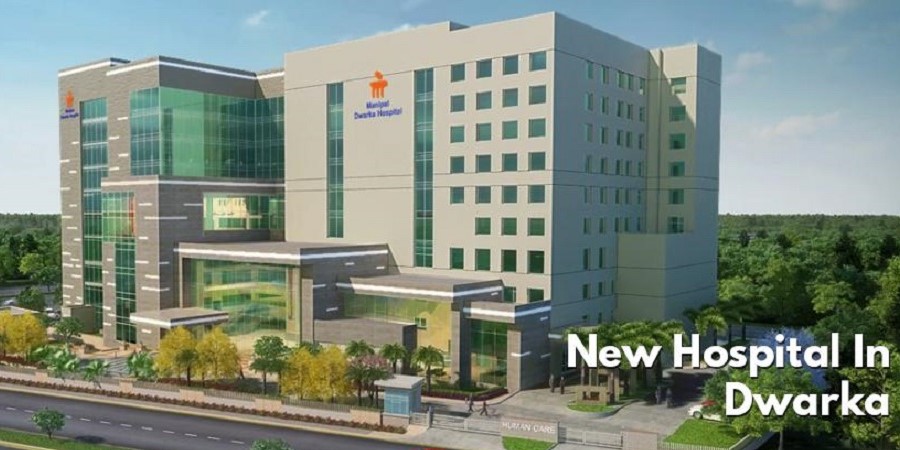
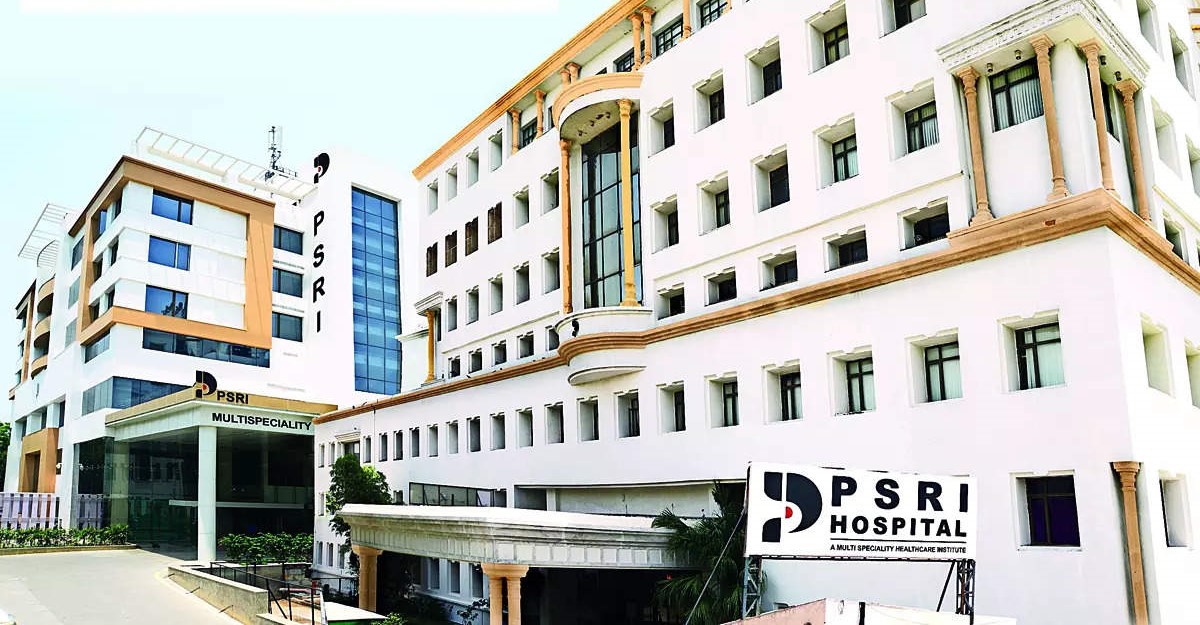


EPIDURAL STIMULATION SURGERY
Duration of Treatment
4 hours
Days of Stay
3 months
Anesthesia
General Anesthesia
Cost
35000 to 40000 USD
Epidural Stimulation Surgery Cost in India
Are You Looking for Epidural Stimulation Surgery Cost in India?
Epidural Stimulation Surgery in India is an advanced treatment option for patients suffering from spinal cord injuries (SCI), chronic neuropathic pain, paralysis, and certain neurological disorders. India has become one of the leading destinations for this procedure due to its experienced neurosurgeons, modern hospitals, affordable treatment costs, and excellent rehabilitation programs.
Compared to countries like the USA, UK, Australia, and Europe, patients can save 50%–70% on treatment costs while receiving world-class medical care.
Epidural Stimulation Surgery Cost in India
The average Epidural Stimulation Surgery Cost in India ranges between:
| Treatment | Cost in USD | Cost in INR |
|---|---|---|
| Epidural Stimulation Surgery | USD 35,000 to 45000 | ₹30,00,000 to 40,00,000 |
The treatment cost depends on:
- Type of spinal cord injury
- Implant/device used
- Hospital category
- Neurosurgeon's experience
- ICU stay
- Rehabilitation duration
- Diagnostic investigations
- Patient's medical condition
Why Choose India for Epidural Stimulation Surgery?
India has become a preferred destination because of:
- Highly experienced neurosurgeons
- Advanced spinal surgery technology
- Affordable treatment packages
- Modern rehabilitation centers
- International patient support
- English-speaking medical teams
- High-quality postoperative care
Why Choose Peace Medical Tourism?
Peace Medical Tourism assists international patients throughout their treatment journey in India by providing:
- Free Medical Opinion
- Best Hospital Selection
- Experienced Neurosurgeons
- Cost Estimation
- Visa Assistance
- Airport Pick-up
- Hotel Booking
- Translator Services
- Local Support
- Follow-up Coordination
What is Epidural Stimulation Surgery?
Epidural Stimulation Surgery (EES) is a minimally invasive procedure where a small electrical stimulation device is implanted over the spinal cord. The device delivers controlled electrical impulses that help improve communication between the brain and spinal nerves.
The treatment may help patients improve:
- Standing ability
- Walking with assistance
- Muscle strength
- Balance
- Bladder and bowel control
- Blood pressure regulation
- Quality of life
The procedure is usually combined with intensive physical rehabilitation for the best possible outcomes.
Benefits of Epidural Stimulation Surgery
- Improved mobility
- Better standing balance
- Enhanced muscle control
- Reduced chronic pain
- Better bladder function
- Improved bowel function
- Enhanced cardiovascular function
- Improved quality of life
Who is a Good Candidate?
Your doctor may recommend Epidural Stimulation Surgery if you have:
- Spinal Cord Injury
- Chronic Paralysis
- Loss of Movement
- Chronic Neuropathic Pain
- Failed Back Surgery Syndrome
- Incomplete Spinal Cord Injury
A complete neurological evaluation is necessary before surgery.
symptoms
Symptoms That May Indicate the Need for Epidural Stimulation Surgery
Patients who may benefit from Epidural Stimulation Surgery (EES) often have symptoms related to spinal cord injury (SCI) or certain neurological disorders. While not every patient is a candidate, the following symptoms are commonly seen:
- Difficulty standing or walking
- Partial or complete paralysis of the legs
- Loss of muscle strength and movement
- Poor balance and coordination
- Chronic neuropathic (nerve) pain
- Muscle stiffness or spasticity
- Numbness or reduced sensation in the limbs
- Loss of bladder control (urinary incontinence or retention)
- Loss of bowel control
- Sexual dysfunction related to spinal cord injury
- Low blood pressure when sitting or standing (orthostatic hypotension)
- Difficulty performing daily activities independently
- Reduced mobility and quality of life
- Persistent weakness after spinal cord injury despite rehabilitation
When Should You Consult a Spine Specialist?
You should consult an experienced spine surgeon or neurosurgeon if you:
- Have suffered a spinal cord injury and continue to experience paralysis or severe weakness.
- Have chronic nerve pain that does not improve with medication or physical therapy.
- Have difficulty standing or walking despite rehabilitation.
- Experience loss of bladder or bowel control after a spinal injury.
- Want to know whether Epidural Stimulation Surgery is a suitable treatment option for your condition.
Note: Epidural Stimulation Surgery is not suitable for every patient with paralysis or spinal cord injury. A detailed neurological evaluation, MRI scans, and other diagnostic tests are necessary to determine eligibility.
risk factors
Risk Factors of Epidural Stimulation Surgery
Like any surgical procedure, Epidural Stimulation Surgery (EES) carries certain risks and potential complications. Although the procedure is generally considered safe when performed by experienced neurosurgeons, patients should be aware of the following risk factors:
- Infection at the surgical site or around the implanted device
- Bleeding or hematoma formation
- Cerebrospinal fluid (CSF) leak
- Damage to nerves or the spinal cord (rare)
- Pain or discomfort at the implant site
- Movement or displacement of the electrodes
- Device malfunction or battery-related issues
- Allergic reaction to the implant materials or medications
- Failure to achieve the expected improvement in symptoms
- Need for revision or replacement surgery
- Blood clots (Deep Vein Thrombosis or Pulmonary Embolism)
- Risks associated with general anesthesia
- Temporary numbness or muscle weakness after surgery
- Scar tissue formation around the implanted electrodes
- Skin erosion over the implanted device (rare)
How Can the Risks Be Reduced?
Most complications can be minimized by:
- Choosing an experienced neurosurgeon and a specialized spine center.
- Undergoing a comprehensive pre-operative evaluation.
- Following all pre- and post-operative instructions carefully.
- Keeping the surgical wound clean and attending scheduled follow-up visits.
- Participating in a structured rehabilitation and physiotherapy program.
- Reporting any signs of infection, fever, severe pain, or device-related problems to your doctor immediately.
Note: While Epidural Stimulation Surgery can improve function and quality of life in carefully selected patients, outcomes vary. Your neurosurgeon will discuss the potential benefits and risks based on your individual condition before recommending the procedure.
preparation
Preparation for Epidural Stimulation Surgery in India
Proper preparation before Epidural Stimulation Surgery (EES) helps improve the chances of a successful procedure and a smooth recovery. Your medical team will conduct a detailed evaluation to determine whether you are a suitable candidate for the surgery.
1. Medical Evaluation
Before surgery, your doctor will perform a comprehensive assessment, which may include:
- Complete medical history and physical examination
- Neurological evaluation
- MRI or CT scan of the spine
- Blood tests
- Electrocardiogram (ECG) and chest X-ray (if required)
- Assessment of bladder and bowel function
- Review of previous spine surgeries and treatments
2. Confirm Your Eligibility
Not every patient with paralysis or spinal cord injury is a candidate for Epidural Stimulation Surgery. Your neurosurgeon will determine your suitability based on:
- Type and level of spinal cord injury
- Duration of the injury
- Overall health condition
- Rehabilitation potential
- Expected treatment goals
3. Medication Review
Inform your doctor about all medications, vitamins, and herbal supplements you are taking. You may be advised to:
- Stop blood-thinning medications several days before surgery.
- Adjust medications for diabetes, blood pressure, or heart conditions.
- Avoid smoking and alcohol before the procedure.
4. Pre-Surgical Instructions
Your healthcare team may recommend:
- Fasting for 6–8 hours before surgery.
- Taking only approved medications with a small sip of water.
- Bathing with an antiseptic soap before admission.
- Removing jewelry, contact lenses, nail polish, and other valuables before surgery.
5. Arrange Your Travel to India
International patients should prepare:
- Valid passport and medical visa
- Medical records, MRI scans, and previous treatment reports
- Prescription medications
- Travel insurance (if applicable)
- Comfortable clothing and personal essentials
6. Plan Your Hospital Stay
Most patients stay in the hospital for 7–14 days, depending on their condition. It is advisable to:
- Arrange accommodation for family members or caregivers.
- Plan transportation after discharge.
- Ensure someone is available to assist during the initial recovery period.
7. Prepare for Rehabilitation
Rehabilitation is a vital part of treatment. Before surgery:
- Discuss your rehabilitation plan with your medical team.
- Understand the expected duration of physiotherapy.
- Be prepared for regular follow-up visits and device programming after surgery.
8. Maintain a Healthy Lifestyle
To improve surgical outcomes:
- Eat a balanced, protein-rich diet.
- Stay well hydrated.
- Get adequate sleep.
- Perform any recommended pre-operative exercises.
- Stop smoking and avoid alcohol, as these can delay healing and increase the risk of complications.
Preparation Checklist for International Patients
✔ Medical reports and imaging scans
✔ Valid passport and medical visa
✔ Flight and accommodation arrangements
✔ Financial planning and insurance documents
✔ Medication list and prescriptions
✔ Comfortable clothing and personal hygiene items
✔ Emergency contact information
✔ Follow-up and rehabilitation plan
Peace Medical Tourism Assistance
Peace Medical Tourism provides complete support for international patients, including:
- Free medical opinion
- Hospital and doctor selection
- Treatment cost estimation
- Medical visa invitation letter
- Airport pick-up and drop-off
- Hotel and accommodation arrangements
- Language interpreter services
- Local travel assistance
- Follow-up coordination after treatment
Proper preparation before Epidural Stimulation Surgery can help ensure a safer procedure, faster recovery, and better rehabilitation outcomes. Consult your neurosurgeon to receive personalized instructions based on your medical condition.
procedure
Procedure of Epidural Stimulation Surgery
Epidural Stimulation Surgery (EES) is an advanced neurosurgical procedure in which a small electrical stimulation device is implanted over the spinal cord to deliver controlled electrical impulses. These impulses help activate nerve pathways below the spinal cord injury, potentially improving movement, muscle control, and other bodily functions in selected patients.
Step-by-Step Procedure
1. Pre-operative Assessment
Before surgery, the medical team performs a detailed evaluation, including:
- Physical and neurological examination
- MRI or CT scan of the spine
- Blood tests and cardiac evaluation
- Review of previous treatments and rehabilitation progress
- Discussion of the expected benefits and risks of the procedure
2. Administration of Anesthesia
The surgery is performed under general anesthesia, ensuring the patient remains asleep and pain-free throughout the procedure.
3. Placement of Epidural Electrodes
- The neurosurgeon makes a small incision in the back.
- Thin electrode leads are carefully positioned in the epidural space over the spinal cord.
- Imaging guidance, such as fluoroscopy (real-time X-ray), is used to ensure accurate placement.
4. Implantation of the Pulse Generator
- A small implantable pulse generator (IPG), similar to a pacemaker, is placed beneath the skin, usually in the abdomen or buttock area.
- The electrodes are connected to the pulse generator through insulated wires.
5. Testing the Device
Before closing the incision, the surgeon tests the system to confirm:
- Proper electrode placement
- Effective electrical stimulation
- Correct functioning of the implanted device
6. Closing the Incisions
Once the device is functioning correctly:
- The incisions are closed with sutures or surgical staples.
- Sterile dressings are applied to reduce the risk of infection.
7. Recovery After Surgery
After the procedure:
- The patient is monitored in the recovery room and then transferred to a hospital room.
- Pain management, wound care, and neurological assessments are performed regularly.
- Most patients remain in the hospital for 7–14 days, depending on their recovery and rehabilitation needs.
8. Device Programming and Rehabilitation
Following surgery:
- The implanted stimulator is programmed and adjusted according to the patient's needs.
- A personalized rehabilitation program, including physiotherapy and gait training, begins.
- Regular follow-up visits are scheduled to optimize device settings and monitor progress.
How Long Does the Procedure Take?
The surgery typically takes 3 to 6 hours, depending on the complexity of the case and the patient's condition.
Benefits of Epidural Stimulation Surgery
- May improve standing and assisted walking in selected patients
- Can enhance muscle strength and coordination
- May help improve bladder and bowel function
- Can reduce chronic neuropathic pain in some patients
- Improves overall quality of life when combined with intensive rehabilitation
Note: Epidural Stimulation Surgery does not guarantee restoration of movement or a cure for spinal cord injury. The outcome varies from patient to patient and depends on factors such as the type and severity of the injury, overall health, and commitment to rehabilitation. An experienced neurosurgeon will determine whether this procedure is appropriate for your condition.
post procedure
Post-Operative Care After Epidural Stimulation Surgery
Proper post-operative care is essential for a successful recovery after Epidural Stimulation Surgery (EES). Following your surgeon's instructions, attending regular follow-up appointments, and participating in rehabilitation can help maximize the benefits of the procedure.
1. Hospital Recovery
- Patients are usually monitored in the hospital for 7–14 days.
- Vital signs, neurological function, and wound healing are checked regularly.
- Pain medications and antibiotics may be prescribed to reduce discomfort and prevent infection.
2. Wound Care
- Keep the surgical incision clean and dry.
- Follow your doctor's instructions for dressing changes.
- Avoid scratching or putting pressure on the incision site.
- Watch for signs of infection such as redness, swelling, drainage, fever, or increasing pain.
3. Device Monitoring and Programming
- The implanted stimulator is activated and programmed after surgery.
- Several follow-up visits may be required to adjust the stimulation settings for optimal results.
- Report any unusual sensations, pain, or device-related concerns to your doctor immediately.
4. Physical Rehabilitation
Rehabilitation is one of the most important parts of recovery and may include:
- Physiotherapy
- Gait and balance training
- Muscle-strengthening exercises
- Stretching and flexibility exercises
- Occupational therapy to improve daily activities
Regular rehabilitation can significantly improve functional outcomes.
5. Medications
Take all prescribed medications as directed, including:
- Pain relievers
- Antibiotics (if prescribed)
- Muscle relaxants
- Other medications recommended by your healthcare provider
Do not stop or change medications without consulting your doctor.
6. Activity Restrictions
During the first few weeks after surgery:
- Avoid heavy lifting, bending, and twisting movements.
- Do not participate in strenuous exercise until approved by your surgeon.
- Gradually increase physical activity under medical supervision.
- Use assistive devices such as walkers or wheelchairs if recommended.
7. Healthy Diet and Hydration
A balanced diet supports healing and recovery.
- Eat protein-rich foods to promote tissue repair.
- Include fruits, vegetables, and whole grains.
- Drink plenty of water unless otherwise advised.
- Avoid smoking and excessive alcohol consumption.
8. Follow-Up Appointments
Regular follow-up visits are necessary to:
- Monitor wound healing
- Check neurological progress
- Adjust the stimulator settings
- Assess rehabilitation progress
- Detect and manage any complications early
9. When to Contact Your Doctor
Seek immediate medical attention if you experience:
- Fever above 38°C (100.4°F)
- Redness, swelling, or discharge from the incision
- Severe or worsening back pain
- Sudden weakness or numbness
- Loss of bladder or bowel control
- Difficulty breathing or chest pain
- Problems with the implanted device
10. Long-Term Recovery
Recovery varies from patient to patient. Many patients continue rehabilitation for 3 to 12 months or longer. Improvements in movement, strength, or daily activities may occur gradually and depend on:
- The severity of the spinal cord injury
- Overall health
- Consistency with rehabilitation
- Regular device programming and follow-up care
Tips for a Faster Recovery
- Follow all medical instructions carefully.
- Attend every physiotherapy session.
- Take medications as prescribed.
- Maintain a healthy lifestyle.
- Avoid smoking and tobacco products.
- Keep all follow-up appointments.
- Stay positive and patient throughout the rehabilitation process.
Support for International Patients
If you are traveling to India for Epidural Stimulation Surgery, most leading hospitals and medical tourism providers offer:
- Airport pick-up and drop-off
- Accommodation assistance
- Medical visa support
- Language interpreter services
- Rehabilitation planning
- Teleconsultation and follow-up support after returning home
With proper post-operative care and a structured rehabilitation program, many patients can achieve meaningful improvements in function and quality of life after Epidural Stimulation Surgery. Success depends on individual medical factors and consistent participation in rehabilitation.
success rate
Success Rate of Epidural Stimulation Surgery in India
The success of Epidural Stimulation Surgery (EES) depends on several factors, including the type and severity of the spinal cord injury, the patient's overall health, the timing of treatment, and commitment to rehabilitation. While the procedure does not cure spinal cord injury, it can significantly improve function and quality of life in carefully selected patients.
Expected Outcomes
Many patients may experience:
- Improved standing ability
- Better muscle strength and control
- Enhanced balance and coordination
- Improved walking with assistive devices (in selected patients)
- Better bladder and bowel control
- Reduced muscle spasticity
- Relief from chronic neuropathic pain
- Improved blood pressure regulation
- Greater independence in daily activities
What is the Success Rate?
Clinical studies and experienced spinal rehabilitation centers have shown that:
- 70–90% of carefully selected patients experience meaningful improvements in one or more functional areas, such as standing, muscle activation, or autonomic function.
- Patients with incomplete spinal cord injuries generally achieve better outcomes than those with complete injuries.
- The best results are typically seen when surgery is combined with a structured rehabilitation and physiotherapy program.
Important: Success does not necessarily mean complete recovery or independent walking. The degree of improvement varies from patient to patient based on their individual condition.
Factors That Affect Success
Several factors influence the outcome of Epidural Stimulation Surgery:
- Type and level of spinal cord injury
- Complete vs. incomplete spinal cord injury
- Time elapsed since the injury
- Patient's age and general health
- Accuracy of electrode placement
- Experience of the neurosurgeon
- Quality of postoperative rehabilitation
- Regular device programming and follow-up
- Patient motivation and participation in therapy
How to Improve the Chances of Success
Patients can maximize their recovery by:
- Choosing an experienced spine and neurosurgery center.
- Following all pre- and post-operative medical instructions.
- Participating consistently in physiotherapy and rehabilitation.
- Maintaining a healthy diet and lifestyle.
- Attending all follow-up appointments for device adjustments.
- Reporting any complications promptly to the medical team.
Why Choose India for Epidural Stimulation Surgery?
India is one of the preferred destinations for Epidural Stimulation Surgery because of:
- Highly experienced neurosurgeons and spine specialists
- Advanced surgical technology
- Modern rehabilitation facilities
- Affordable treatment costs
- Personalized care for international patients
- Comprehensive post-operative rehabilitation programs
Note: Epidural Stimulation Surgery offers hope for improving function in selected patients with spinal cord injuries, but outcomes vary. A thorough evaluation by an experienced neurosurgeon is essential to determine whether this procedure is appropriate and to set realistic expectations for recovery.
faqs from doctor
Frequently Asked Questions (FAQs) About Epidural Stimulation Surgery in India
1. What is Epidural Stimulation Surgery?
Epidural Stimulation Surgery is an advanced procedure in which a small electrical stimulator is implanted over the spinal cord. The device delivers electrical impulses that help improve communication between the brain and spinal nerves, potentially enhancing movement, muscle control, and other functions in selected patients with spinal cord injuries.
2. Who is a good candidate for Epidural Stimulation Surgery?
Patients with spinal cord injuries, chronic paralysis, or severe neurological impairment may be candidates. A detailed neurological evaluation, MRI scans, and other diagnostic tests are required to determine eligibility.
3. What is the cost of Epidural Stimulation Surgery in India?
The average cost ranges between USD 18,000 and USD 35,000 (approximately ₹15,00,000 to ₹30,00,000). The total cost depends on the hospital, surgeon's expertise, implant device, patient's condition, and rehabilitation requirements.
4. What is the cost of an epidural injection in India?
An epidural steroid injection, which is different from Epidural Stimulation Surgery, generally costs between ₹15,000 and ₹50,000 (USD 180–600) depending on the hospital, city, medications used, and imaging guidance.
5. What is the cost of L4-L5 spine surgery in India?
The cost of L4-L5 spine surgery varies according to the type of procedure:
- Microdiscectomy: USD 3,000–6,000
- Laminectomy: USD 4,000–7,000
- Spinal Fusion: USD 6,000–12,000
The final cost depends on the complexity of the surgery, hospital, implants, and length of hospital stay.
6. What is the cost of Spinal Cord Stimulation (SCS) in India?
The average cost of Spinal Cord Stimulation (SCS) in India ranges from USD 15,000 to USD 30,000 (approximately ₹12,50,000 to ₹25,00,000), depending on the device, hospital, and treatment plan.
7. Is a spinal stimulator permanent?
Yes. A spinal cord stimulator is designed to be a long-term implant. However, it can be removed or replaced if necessary due to device malfunction, battery replacement, infection, or changes in the patient's condition.
8. How successful is spinal stimulation?
Clinical studies show that 70–90% of carefully selected patients experience meaningful improvements in pain relief, muscle activation, standing ability, or other functional outcomes. Success depends on the patient's condition, the severity of the spinal cord injury, and participation in rehabilitation.
9. How long does Epidural Stimulation Surgery take?
The surgery typically takes 3 to 6 hours, depending on the complexity of the procedure.
10. How long will I stay in the hospital?
Most patients remain in the hospital for 7 to 14 days, followed by outpatient rehabilitation and regular follow-up visits.
11. How long does recovery take?
Initial recovery usually takes 2 to 6 weeks, while rehabilitation may continue for 3 to 12 months or longer depending on the patient's progress.
12. What are the benefits of Epidural Stimulation Surgery?
Potential benefits include:
- Improved standing and walking ability (in selected patients)
- Better muscle strength and coordination
- Improved bladder and bowel function
- Reduced muscle spasticity
- Relief from chronic neuropathic pain
- Enhanced quality of life
13. What are the risks of Epidural Stimulation Surgery?
Possible risks include:
- Infection
- Bleeding
- Cerebrospinal fluid (CSF) leak
- Device malfunction
- Electrode displacement
- Nerve injury (rare)
- Need for revision surgery
Choosing an experienced neurosurgeon helps minimize these risks.
14. Can international patients undergo Epidural Stimulation Surgery in India?
Yes. India is a leading destination for international patients seeking advanced spinal treatments. Most hospitals provide:
- Medical visa assistance
- Airport pick-up and drop-off
- Accommodation support
- Language interpreters
- Dedicated international patient coordinators
- Rehabilitation and follow-up care
15. Why choose India for Epidural Stimulation Surgery?
India offers:
- Experienced neurosurgeons and spine specialists
- Advanced surgical technology
- Internationally accredited hospitals
- Affordable treatment costs
- Comprehensive rehabilitation programs
- Excellent care for international patients
16. How can Peace Medical Tourism help?
Peace Medical Tourism provides complete assistance throughout your treatment journey, including:
- Free medical opinion
- Hospital and doctor selection
- Treatment cost estimation
- Medical visa invitation letter
- Airport pick-up and drop-off
- Hotel booking assistance
- Interpreter services
- Local support
- Follow-up coordination after treatment
If you are searching for the epidural stimulation surgery cost in India, India offers advanced and affordable treatment options for patients with spinal cord injuries and neurological disorders. Epidural stimulation surgery in India, also known as spinal cord stimulation surgery or epidural electrical stimulation, is performed by some of the best neurosurgeons in India at internationally accredited epidural stimulation surgery hospitals in India. The spinal cord stimulation cost in India and epidural stimulator implant cost are significantly lower than in many Western countries, making India a preferred destination for medical tourism. Patients benefit from expert epidural stimulation treatment in India, comprehensive spinal cord injury treatment, advanced neurostimulation surgery, and specialized spinal cord injury rehabilitation programs. With high standards of care, experienced specialists, excellent epidural stimulation surgery success rates, structured epidural stimulation recovery plans, and modern spinal rehabilitation services, India provides world-class care at an affordable price. Whether you are looking for paralysis treatment in India, information about spine surgery cost in India, or treatment at the best spine hospitals in India, Peace Medical Tourism helps international patients connect with top neurosurgeons in India, compare spinal cord injury treatment costs in India, arrange medical visas, select the right hospital, and receive complete support throughout their treatment journey.
Top Doctors
Sorry, There is nothing to show!Come back soon.