Duration of Treatment
1 to 3 hours
Days of Stay
2 to 3 Days in Hospital and 15 Days in India
Anesthesia
General Anesthesia
Cost
6000 to 7000 USD
How Much Does Robotic Ovarian Cystectomy Surgery Cost in India?
Are you looking for the Robotic Ovarian Cystectomy Surgery Cost in India or the best gynecologic robotic surgeons and hospitals at an affordable price? India is one of the leading destinations for advanced robotic gynecological surgery, offering world-class treatment at significantly lower costs than many Western countries.
Robotic Ovarian Cystectomy Surgery Cost in India
- Estimated Cost: approximately USD 6000 to USD 7000 ) depending on the hospital, surgeon, and complexity of the cyst.
Additional Expenses for International Patients
- Hotel Near Hospital: USD 20–60 per night
- Food: USD 15–30 per day
- Local Transportation & Miscellaneous: USD 15–25 per day
These are approximate costs. The final treatment plan and quotation are provided after reviewing the patient's medical reports and imaging studies.
Factors Affecting the Cost
The total cost of robotic ovarian cystectomy may vary depending on:
- Size, type, and location of the ovarian cyst
- Whether one or both ovaries are involved
- Presence of endometriosis or pelvic adhesions
- Surgeon's expertise in robotic gynecologic surgery
- Hospital infrastructure and robotic platform used
- Length of hospital stay
- Diagnostic investigations and medications
- Any associated gynecological conditions requiring treatment during the same surgery
Why Choose India for Robotic Ovarian Cystectomy?
- Internationally accredited hospitals (NABH & JCI)
- Experienced robotic gynecologic surgeons
- Advanced robotic surgical systems
- Smaller incisions with less postoperative pain
- Faster recovery and shorter hospital stay
- Cost-effective treatment compared with the USA, UK, Europe, and the Middle East
- Dedicated international patient services, including visa assistance, interpreters, and accommodation support
Top Hospitals in India for Robotic Ovarian Cystectomy
- Apollo Hospitals
- Medanta – The Medicity
- Fortis Memorial Research Institute (FMRI)
- Max Super Speciality Hospital
- Artemis Hospital
- Amrita Hospital
- Manipal Hospitals
- Kokilaben Dhirubhai Ambani Hospital
- Gleneagles Global Hospitals
- Narayana Health
Need Expert Guidance?
If you're considering Robotic Ovarian Cystectomy Surgery in India, our international patient team can help you:
- Compare hospitals and robotic surgeons
- Arrange online consultations
- Obtain a personalized treatment estimate
- Assist with medical visa and travel planning
- Coordinate airport pickup, accommodation, and follow-up care
📞 Call / WhatsApp / Viber: +91 9582708782
📧 Submit an enquiry to receive a personalized treatment plan and cost estimate.
What Is Robotic Ovarian Cystectomy?
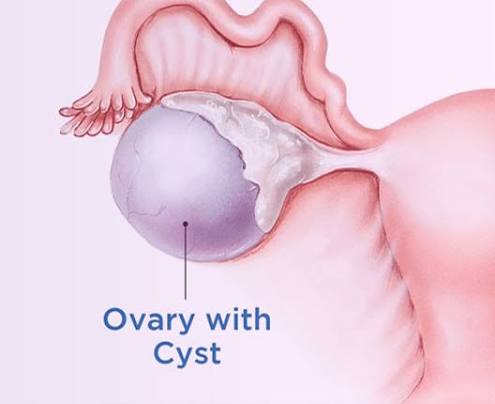
Robotic Ovarian Cystectomy is a minimally invasive robotic-assisted surgical procedure used to remove an ovarian cyst while preserving the healthy ovarian tissue. This advanced technique is commonly recommended for women with large, painful, persistent, or suspicious ovarian cysts that do not resolve with medication or observation.
During the procedure, the surgeon uses a robotic surgical system equipped with high-definition 3D visualization and robotic arms that provide exceptional precision and control. The surgeon operates the robotic instruments from a console, allowing for delicate movements through a few small incisions in the abdomen.
Unlike traditional open surgery, robotic ovarian cystectomy offers less pain, minimal blood loss, smaller scars, and faster recovery, making it an excellent option for women who wish to preserve fertility and return to their normal activities sooner.
Benefits of Robotic Ovarian Cystectomy
- Small keyhole incisions
- High-definition 3D surgical visualization
- Greater precision and accuracy
- Better preservation of healthy ovarian tissue
- Reduced blood loss
- Less postoperative pain
- Lower risk of infection
- Minimal scarring
- Shorter hospital stay (typically 1–2 days)
- Faster recovery and return to daily activities
- Improved fertility preservation in women planning future pregnancies
Conditions Treated with Robotic Ovarian Cystectomy
- Functional ovarian cysts
- Endometriotic cysts (Endometriomas)
- Dermoid cysts
- Cystadenomas
- Benign ovarian masses
- Recurrent ovarian cysts
- Selected early-stage ovarian tumors (depending on the patient's condition)
Why Choose Robotic Surgery?
Compared with conventional laparoscopic or open surgery, robotic ovarian cystectomy offers:
- Enhanced surgical precision
- Better visualization of delicate pelvic structures
- Improved dexterity for complex cases
- Reduced postoperative pain
- Faster recovery
- Better cosmetic results
- Lower risk of complications
For women with complex ovarian cysts, endometriosis, or fertility concerns, robotic ovarian cystectomy can provide a safe and effective treatment while maximizing preservation of normal ovarian function.
Who Needs Robotic Ovarian Cystectomy?
Your gynecologist may recommend robotic ovarian cystectomy if you have:
- Persistent ovarian cysts that do not disappear after several menstrual cycles
- Large ovarian cysts (usually larger than 5–10 cm)
- Severe pelvic pain or discomfort
- Endometriomas (ovarian cysts caused by endometriosis)
- Dermoid cysts (mature cystic teratomas)
- Benign ovarian tumors
- Ovarian cysts causing infertility
- Ovarian torsion (twisting of the ovary) requiring emergency surgery
- Cysts suspected to be precancerous or requiring further evaluation
Risk Factors of Robotic Ovarian Cystectomy
Although Robotic Ovarian Cystectomy is considered a safe and minimally invasive procedure with a high success rate, like any surgery, it carries certain risks and potential complications. Choosing an experienced robotic gynecologic surgeon and a well-equipped hospital can significantly reduce these risks.
Possible Risk Factors
- Bleeding during or after surgery
- Infection at the incision site or inside the pelvis
- Injury to nearby organs such as the bladder, bowel, or ureter
- Damage to blood vessels or nerves
- Reaction to general anesthesia
- Blood clots in the legs (Deep Vein Thrombosis - DVT) or lungs (Pulmonary Embolism)
- Formation of pelvic adhesions (scar tissue)
- Leakage from the ovarian tissue after cyst removal
- Recurrence of ovarian cysts
- Temporary pelvic pain or discomfort
- Reduced ovarian reserve if a large amount of healthy ovarian tissue is removed
- Difficulty preserving fertility in complex or recurrent cases
- Conversion to open surgery (laparotomy) if the cyst is very large, ruptures, or cancer is suspected
- Fluid collection or hematoma at the surgical site
- Delayed wound healing
- Urinary tract infection (UTI)
- Temporary abdominal bloating or shoulder pain due to surgical gas
- Rare injury to major blood vessels
- Rare need for blood transfusion
- Rare risk of discovering ovarian cancer during surgery, requiring additional treatment
Preparation Before Robotic Ovarian Cystectomy in India
Proper preparation before Robotic Ovarian Cystectomy helps ensure a safe surgery, minimizes complications, and promotes a faster recovery. Your gynecologic surgeon will perform a thorough evaluation to determine whether robotic surgery is the most appropriate treatment for your condition.
1. Medical Consultation
- Complete medical history and physical examination
- Review of symptoms such as pelvic pain, irregular periods, or infertility
- Assessment of previous surgeries and current medications
- Discussion about fertility preservation, if applicable
2. Diagnostic Tests
Your surgeon may recommend:
- Pelvic ultrasound (Transabdominal or Transvaginal)
- MRI or CT scan (for complex ovarian cysts)
- Complete Blood Count (CBC)
- Blood group and cross-matching
- Kidney and liver function tests
- Blood sugar levels
- Coagulation profile (PT/INR)
- Urine routine examination
- Pregnancy test (if applicable)
- Tumor marker tests such as CA-125, AFP, β-hCG, or LDH (when clinically indicated)
- ECG and Chest X-ray (especially for patients over 40 years or with medical conditions)
3. Medication Review
- Inform your doctor about all prescription and over-the-counter medicines.
- Blood-thinning medications such as aspirin, warfarin, clopidogrel, or certain herbal supplements may need to be stopped a few days before surgery under your doctor's guidance.
- Continue only medications approved by your surgeon and anesthesiologist.
4. Pre-Anesthesia Evaluation
- Consultation with an anesthesiologist
- Assessment of heart and lung function
- Evaluation of allergies and previous anesthesia history
- Planning for general anesthesia
5. Fasting Before Surgery
- Do not eat or drink for 6–8 hours before the scheduled procedure, or as instructed by your surgical team.
- Follow all fasting instructions carefully to reduce anesthesia-related risks.
6. Lifestyle Preparation
- Stop smoking at least 2–4 weeks before surgery.
- Avoid alcohol for several days before the procedure.
- Eat a healthy, balanced diet and stay well hydrated.
- Maintain light physical activity if recommended by your doctor.
7. Bowel Preparation
- Most patients do not require routine bowel preparation.
- If the cyst is suspected to involve the bowel or extensive endometriosis is present, your surgeon may recommend bowel preparation.
8. Arrange Postoperative Support
- Arrange for a family member or caregiver to accompany you.
- Plan transportation home after discharge.
- Prepare comfortable clothing and essential personal items for your hospital stay.
9. International Patients Traveling to India
If you are coming from another country, you should:
- Send your medical records, ultrasound, MRI/CT scans, and laboratory reports for review before travel.
- Obtain a medical visa if required.
- Book accommodation close to the hospital.
- Plan to stay in India for 7–14 days, depending on your recovery and follow-up appointments.
- Coordinate airport transfers and interpreter services if needed through the hospital's international patient department.
10. Final Preoperative Checklist
Before surgery, ensure that you:
- ✔ Complete all recommended investigations
- ✔ Follow fasting instructions
- ✔ Stop restricted medications as advised
- ✔ Sign the informed consent form
- ✔ Carry all medical reports and identification documents
- ✔ Wear loose, comfortable clothing
- ✔ Remove jewelry, nail polish, makeup, contact lenses, and dentures before surgery
- ✔ Follow your surgeon's instructions regarding medications on the day of surgery
Preparation Is Key to a Successful Outcome
Following your surgeon's preoperative instructions carefully can help reduce complications, improve surgical outcomes, and support a smoother recovery after Robotic Ovarian Cystectomy. Choosing an experienced robotic gynecologic surgeon and a well-equipped hospital in India further enhances the safety and success of the procedure.
How Is the Procedure Performed?
- The patient is placed under general anesthesia.
- The surgeon makes 3–4 small incisions in the abdomen.
- A tiny camera and robotic instruments are inserted.
- Using the robotic console, the surgeon carefully removes the ovarian cyst while preserving healthy ovarian tissue whenever possible.
- The cyst is placed in a protective retrieval bag and removed through one of the small incisions.
- The incisions are closed with absorbable sutures.
The procedure generally takes 1 to 3 hours, depending on the size and complexity of the cyst.
Recovery After Surgery
- Hospital stay: 1–2 days
- Walking: Usually within 24 hours
- Return to office work: 1–2 weeks
- Resume normal daily activities: 2–4 weeks
- Complete recovery: 4–6 weeks, depending on the individual and the extent of surgery
Success Rate
Robotic ovarian cystectomy has a success rate of over 95% for the treatment of benign ovarian cysts when performed by an experienced robotic gynecologic surgeon. It is associated with excellent clinical outcomes, fewer complications, and a high rate of ovarian preservation in appropriate candidates.
Frequently Asked Questions (FAQs) About Robotic Ovarian Cystectomy in India
1. What is Robotic Ovarian Cystectomy?
Robotic Ovarian Cystectomy is a minimally invasive surgical procedure that removes an ovarian cyst while preserving the healthy ovary. The surgery is performed using a robotic surgical system, allowing greater precision, smaller incisions, less pain, and faster recovery compared to open surgery.
2. Who is a candidate for Robotic Ovarian Cystectomy?
This procedure is recommended for women with:
- Large ovarian cysts
- Persistent ovarian cysts
- Endometriomas (endometriosis cysts)
- Dermoid cysts
- Benign ovarian tumors
- Pelvic pain caused by ovarian cysts
- Fertility-related ovarian cysts
3. How much does Robotic Ovarian Cystectomy cost in India?
The average Robotic Ovarian Cystectomy Cost in India ranges from USD 6000 to USD 7000, depending on:
- Hospital
- Surgeon's experience
- Complexity of the cyst
- City
- Hospital stay
4. Why choose India for Robotic Ovarian Cystectomy?
India offers:
- Experienced robotic gynecologic surgeons
- Advanced robotic surgical systems
- NABH and JCI-accredited hospitals
- Affordable treatment costs
- High-quality medical care
- Comprehensive support for international patients
5. Which hospitals in India offer Robotic Ovarian Cystectomy?
Some leading hospitals include:
- Apollo Hospitals
- Medanta – The Medicity
- Max Super Speciality Hospital
- Fortis Memorial Research Institute
- Artemis Hospital
- Amrita Hospital
- Manipal Hospitals
- Kokilaben Dhirubhai Ambani Hospital
- Gleneagles Global Hospitals
- Narayana Health
6. How long does the surgery take?
The procedure usually takes 1 to 3 hours, depending on the size, number, and complexity of the ovarian cysts.
7. How many days do I need to stay in the hospital?
Most patients stay in the hospital for 1–2 days after robotic ovarian cystectomy.
8. How long is the recovery period?
- Walking: Within 24 hours
- Return to office work: 1–2 weeks
- Resume normal activities: 2–4 weeks
- Complete recovery: 4–6 weeks
9. Will my ovary be preserved?
Yes. The goal of robotic ovarian cystectomy is to remove the cyst while preserving as much healthy ovarian tissue as possible, especially in women who wish to maintain fertility.
10. Is Robotic Ovarian Cystectomy painful?
No. Since it is a minimally invasive procedure, patients generally experience significantly less pain than with traditional open surgery. Pain is managed effectively with medications.
11. What are the advantages of robotic surgery over open surgery?
- Smaller incisions
- Less pain
- Minimal blood loss
- Lower risk of infection
- Faster recovery
- Shorter hospital stay
- Better cosmetic results
- Greater surgical precision
12. What is the success rate of Robotic Ovarian Cystectomy?
The procedure has a success rate of over 95% for benign ovarian cysts when performed by an experienced robotic gynecologic surgeon.
13. Can robotic surgery improve fertility?
Yes. By preserving healthy ovarian tissue and minimizing pelvic adhesions, robotic ovarian cystectomy may help maintain fertility in women with benign ovarian cysts.
14. Are there any risks associated with Robotic Ovarian Cystectomy?
Although generally safe, possible risks include:
- Bleeding
- Infection
- Injury to nearby organs
- Blood clots
- Recurrence of ovarian cysts
- Rare conversion to open surgery
15. When can I travel after surgery?
Most international patients can travel 7–10 days after surgery, depending on their recovery and the surgeon's recommendation.
16. What reports should international patients send before traveling to India?
Patients should share:
- Pelvic ultrasound
- MRI/CT scan (if available)
- Blood tests
- CA-125 or other tumor marker reports (if performed)
- Previous medical records
- Current medication list
17. Will I need follow-up after surgery?
Yes. Your surgeon will schedule follow-up visits to monitor healing, review the pathology report (if applicable), and assess ovarian recovery. International patients may also be offered teleconsultation after returning home.
18. How can international patients book Robotic Ovarian Cystectomy in India?
Patients can contact a medical tourism facilitator or the hospital's international patient department to:
- Obtain an online consultation
- Receive a treatment plan and cost estimate
- Schedule surgery
- Arrange a medical visa, airport transfer, accommodation, and interpreter services
Need More Information?
If you are considering Robotic Ovarian Cystectomy in India, our team can help you find the best robotic gynecologic surgeons and hospitals at an affordable cost.
📞 Call / WhatsApp / Viber: +91 9582708782
📧 Submit an Enquiry to receive a personalized treatment plan and cost estimate.
Robotic Ovarian Cystectomy in India is an advanced robotic gynecologic surgery performed using minimally invasive techniques to remove ovarian cysts while preserving healthy ovarian tissue. International patients choose Robotic Ovarian Cyst Surgery India because of its experienced specialists, world-class hospitals, and affordable Robotic Ovarian Cystectomy Cost in India. Whether you need Ovarian Cyst Removal Surgery India, Robotic Laparoscopic Ovarian Cystectomy, Endometrioma Surgery India, Dermoid Cyst Surgery India, or treatment for a Benign Ovarian Tumor, India's leading centers provide personalized, fertility-preserving ovarian surgery using the latest Da Vinci Robotic Surgery technology. If you are searching for the Best Robotic Gynecologist in India, the Best Hospital for Robotic Surgery in India, or the Best Robotic Surgery Hospital India, renowned institutions such as Apollo Hospitals, Medanta Hospital, Fortis Hospital, Max Hospital, and Artemis Hospital offer comprehensive Ovarian Cyst Treatment India with advanced Women's Health Surgery and Robotic Pelvic Surgery. With expert surgeons, modern infrastructure, and competitive Robotic Surgery Cost India, India has become a preferred destination for Medical Tourism India, providing high-quality care for International Patients India seeking safe and effective robotic ovarian cyst removal.
Top Doctors





Top Hospitals
















ROBOTIC OVARIAN CYSTECTOMY SURGERY COST IN INDIA
Duration of Treatment
1 to 3 hours
Days of Stay
2 to 3 Days in Hospital and 15 Days in India
Anesthesia
General Anesthesia
Cost
6000 to 7000 USD
How Much Does Robotic Ovarian Cystectomy Surgery Cost in India?
Are you looking for the Robotic Ovarian Cystectomy Surgery Cost in India or the best gynecologic robotic surgeons and hospitals at an affordable price? India is one of the leading destinations for advanced robotic gynecological surgery, offering world-class treatment at significantly lower costs than many Western countries.
Robotic Ovarian Cystectomy Surgery Cost in India
- Estimated Cost: approximately USD 6000 to USD 7000 ) depending on the hospital, surgeon, and complexity of the cyst.
Additional Expenses for International Patients
- Hotel Near Hospital: USD 20–60 per night
- Food: USD 15–30 per day
- Local Transportation & Miscellaneous: USD 15–25 per day
These are approximate costs. The final treatment plan and quotation are provided after reviewing the patient's medical reports and imaging studies.
Factors Affecting the Cost
The total cost of robotic ovarian cystectomy may vary depending on:
- Size, type, and location of the ovarian cyst
- Whether one or both ovaries are involved
- Presence of endometriosis or pelvic adhesions
- Surgeon's expertise in robotic gynecologic surgery
- Hospital infrastructure and robotic platform used
- Length of hospital stay
- Diagnostic investigations and medications
- Any associated gynecological conditions requiring treatment during the same surgery
Why Choose India for Robotic Ovarian Cystectomy?
- Internationally accredited hospitals (NABH & JCI)
- Experienced robotic gynecologic surgeons
- Advanced robotic surgical systems
- Smaller incisions with less postoperative pain
- Faster recovery and shorter hospital stay
- Cost-effective treatment compared with the USA, UK, Europe, and the Middle East
- Dedicated international patient services, including visa assistance, interpreters, and accommodation support
Top Hospitals in India for Robotic Ovarian Cystectomy
- Apollo Hospitals
- Medanta – The Medicity
- Fortis Memorial Research Institute (FMRI)
- Max Super Speciality Hospital
- Artemis Hospital
- Amrita Hospital
- Manipal Hospitals
- Kokilaben Dhirubhai Ambani Hospital
- Gleneagles Global Hospitals
- Narayana Health
Need Expert Guidance?
If you're considering Robotic Ovarian Cystectomy Surgery in India, our international patient team can help you:
- Compare hospitals and robotic surgeons
- Arrange online consultations
- Obtain a personalized treatment estimate
- Assist with medical visa and travel planning
- Coordinate airport pickup, accommodation, and follow-up care
📞 Call / WhatsApp / Viber: +91 9582708782
📧 Submit an enquiry to receive a personalized treatment plan and cost estimate.
What Is Robotic Ovarian Cystectomy?
Robotic Ovarian Cystectomy is a minimally invasive robotic-assisted surgical procedure used to remove an ovarian cyst while preserving the healthy ovarian tissue. This advanced technique is commonly recommended for women with large, painful, persistent, or suspicious ovarian cysts that do not resolve with medication or observation.
During the procedure, the surgeon uses a robotic surgical system equipped with high-definition 3D visualization and robotic arms that provide exceptional precision and control. The surgeon operates the robotic instruments from a console, allowing for delicate movements through a few small incisions in the abdomen.
Unlike traditional open surgery, robotic ovarian cystectomy offers less pain, minimal blood loss, smaller scars, and faster recovery, making it an excellent option for women who wish to preserve fertility and return to their normal activities sooner.
Benefits of Robotic Ovarian Cystectomy
- Small keyhole incisions
- High-definition 3D surgical visualization
- Greater precision and accuracy
- Better preservation of healthy ovarian tissue
- Reduced blood loss
- Less postoperative pain
- Lower risk of infection
- Minimal scarring
- Shorter hospital stay (typically 1–2 days)
- Faster recovery and return to daily activities
- Improved fertility preservation in women planning future pregnancies
Conditions Treated with Robotic Ovarian Cystectomy
- Functional ovarian cysts
- Endometriotic cysts (Endometriomas)
- Dermoid cysts
- Cystadenomas
- Benign ovarian masses
- Recurrent ovarian cysts
- Selected early-stage ovarian tumors (depending on the patient's condition)
Why Choose Robotic Surgery?
Compared with conventional laparoscopic or open surgery, robotic ovarian cystectomy offers:
- Enhanced surgical precision
- Better visualization of delicate pelvic structures
- Improved dexterity for complex cases
- Reduced postoperative pain
- Faster recovery
- Better cosmetic results
- Lower risk of complications
For women with complex ovarian cysts, endometriosis, or fertility concerns, robotic ovarian cystectomy can provide a safe and effective treatment while maximizing preservation of normal ovarian function.
symptoms
Who Needs Robotic Ovarian Cystectomy?
Your gynecologist may recommend robotic ovarian cystectomy if you have:
- Persistent ovarian cysts that do not disappear after several menstrual cycles
- Large ovarian cysts (usually larger than 5–10 cm)
- Severe pelvic pain or discomfort
- Endometriomas (ovarian cysts caused by endometriosis)
- Dermoid cysts (mature cystic teratomas)
- Benign ovarian tumors
- Ovarian cysts causing infertility
- Ovarian torsion (twisting of the ovary) requiring emergency surgery
- Cysts suspected to be precancerous or requiring further evaluation
risk factors
Risk Factors of Robotic Ovarian Cystectomy
Although Robotic Ovarian Cystectomy is considered a safe and minimally invasive procedure with a high success rate, like any surgery, it carries certain risks and potential complications. Choosing an experienced robotic gynecologic surgeon and a well-equipped hospital can significantly reduce these risks.
Possible Risk Factors
- Bleeding during or after surgery
- Infection at the incision site or inside the pelvis
- Injury to nearby organs such as the bladder, bowel, or ureter
- Damage to blood vessels or nerves
- Reaction to general anesthesia
- Blood clots in the legs (Deep Vein Thrombosis - DVT) or lungs (Pulmonary Embolism)
- Formation of pelvic adhesions (scar tissue)
- Leakage from the ovarian tissue after cyst removal
- Recurrence of ovarian cysts
- Temporary pelvic pain or discomfort
- Reduced ovarian reserve if a large amount of healthy ovarian tissue is removed
- Difficulty preserving fertility in complex or recurrent cases
- Conversion to open surgery (laparotomy) if the cyst is very large, ruptures, or cancer is suspected
- Fluid collection or hematoma at the surgical site
- Delayed wound healing
- Urinary tract infection (UTI)
- Temporary abdominal bloating or shoulder pain due to surgical gas
- Rare injury to major blood vessels
- Rare need for blood transfusion
- Rare risk of discovering ovarian cancer during surgery, requiring additional treatment
preparation
Preparation Before Robotic Ovarian Cystectomy in India
Proper preparation before Robotic Ovarian Cystectomy helps ensure a safe surgery, minimizes complications, and promotes a faster recovery. Your gynecologic surgeon will perform a thorough evaluation to determine whether robotic surgery is the most appropriate treatment for your condition.
1. Medical Consultation
- Complete medical history and physical examination
- Review of symptoms such as pelvic pain, irregular periods, or infertility
- Assessment of previous surgeries and current medications
- Discussion about fertility preservation, if applicable
2. Diagnostic Tests
Your surgeon may recommend:
- Pelvic ultrasound (Transabdominal or Transvaginal)
- MRI or CT scan (for complex ovarian cysts)
- Complete Blood Count (CBC)
- Blood group and cross-matching
- Kidney and liver function tests
- Blood sugar levels
- Coagulation profile (PT/INR)
- Urine routine examination
- Pregnancy test (if applicable)
- Tumor marker tests such as CA-125, AFP, β-hCG, or LDH (when clinically indicated)
- ECG and Chest X-ray (especially for patients over 40 years or with medical conditions)
3. Medication Review
- Inform your doctor about all prescription and over-the-counter medicines.
- Blood-thinning medications such as aspirin, warfarin, clopidogrel, or certain herbal supplements may need to be stopped a few days before surgery under your doctor's guidance.
- Continue only medications approved by your surgeon and anesthesiologist.
4. Pre-Anesthesia Evaluation
- Consultation with an anesthesiologist
- Assessment of heart and lung function
- Evaluation of allergies and previous anesthesia history
- Planning for general anesthesia
5. Fasting Before Surgery
- Do not eat or drink for 6–8 hours before the scheduled procedure, or as instructed by your surgical team.
- Follow all fasting instructions carefully to reduce anesthesia-related risks.
6. Lifestyle Preparation
- Stop smoking at least 2–4 weeks before surgery.
- Avoid alcohol for several days before the procedure.
- Eat a healthy, balanced diet and stay well hydrated.
- Maintain light physical activity if recommended by your doctor.
7. Bowel Preparation
- Most patients do not require routine bowel preparation.
- If the cyst is suspected to involve the bowel or extensive endometriosis is present, your surgeon may recommend bowel preparation.
8. Arrange Postoperative Support
- Arrange for a family member or caregiver to accompany you.
- Plan transportation home after discharge.
- Prepare comfortable clothing and essential personal items for your hospital stay.
9. International Patients Traveling to India
If you are coming from another country, you should:
- Send your medical records, ultrasound, MRI/CT scans, and laboratory reports for review before travel.
- Obtain a medical visa if required.
- Book accommodation close to the hospital.
- Plan to stay in India for 7–14 days, depending on your recovery and follow-up appointments.
- Coordinate airport transfers and interpreter services if needed through the hospital's international patient department.
10. Final Preoperative Checklist
Before surgery, ensure that you:
- ✔ Complete all recommended investigations
- ✔ Follow fasting instructions
- ✔ Stop restricted medications as advised
- ✔ Sign the informed consent form
- ✔ Carry all medical reports and identification documents
- ✔ Wear loose, comfortable clothing
- ✔ Remove jewelry, nail polish, makeup, contact lenses, and dentures before surgery
- ✔ Follow your surgeon's instructions regarding medications on the day of surgery
Preparation Is Key to a Successful Outcome
Following your surgeon's preoperative instructions carefully can help reduce complications, improve surgical outcomes, and support a smoother recovery after Robotic Ovarian Cystectomy. Choosing an experienced robotic gynecologic surgeon and a well-equipped hospital in India further enhances the safety and success of the procedure.
procedure
How Is the Procedure Performed?
- The patient is placed under general anesthesia.
- The surgeon makes 3–4 small incisions in the abdomen.
- A tiny camera and robotic instruments are inserted.
- Using the robotic console, the surgeon carefully removes the ovarian cyst while preserving healthy ovarian tissue whenever possible.
- The cyst is placed in a protective retrieval bag and removed through one of the small incisions.
- The incisions are closed with absorbable sutures.
The procedure generally takes 1 to 3 hours, depending on the size and complexity of the cyst.
post procedure
Recovery After Surgery
- Hospital stay: 1–2 days
- Walking: Usually within 24 hours
- Return to office work: 1–2 weeks
- Resume normal daily activities: 2–4 weeks
- Complete recovery: 4–6 weeks, depending on the individual and the extent of surgery
success rate
Success Rate
Robotic ovarian cystectomy has a success rate of over 95% for the treatment of benign ovarian cysts when performed by an experienced robotic gynecologic surgeon. It is associated with excellent clinical outcomes, fewer complications, and a high rate of ovarian preservation in appropriate candidates.
faqs from doctor
Frequently Asked Questions (FAQs) About Robotic Ovarian Cystectomy in India
1. What is Robotic Ovarian Cystectomy?
Robotic Ovarian Cystectomy is a minimally invasive surgical procedure that removes an ovarian cyst while preserving the healthy ovary. The surgery is performed using a robotic surgical system, allowing greater precision, smaller incisions, less pain, and faster recovery compared to open surgery.
2. Who is a candidate for Robotic Ovarian Cystectomy?
This procedure is recommended for women with:
- Large ovarian cysts
- Persistent ovarian cysts
- Endometriomas (endometriosis cysts)
- Dermoid cysts
- Benign ovarian tumors
- Pelvic pain caused by ovarian cysts
- Fertility-related ovarian cysts
3. How much does Robotic Ovarian Cystectomy cost in India?
The average Robotic Ovarian Cystectomy Cost in India ranges from USD 6000 to USD 7000, depending on:
- Hospital
- Surgeon's experience
- Complexity of the cyst
- City
- Hospital stay
4. Why choose India for Robotic Ovarian Cystectomy?
India offers:
- Experienced robotic gynecologic surgeons
- Advanced robotic surgical systems
- NABH and JCI-accredited hospitals
- Affordable treatment costs
- High-quality medical care
- Comprehensive support for international patients
5. Which hospitals in India offer Robotic Ovarian Cystectomy?
Some leading hospitals include:
- Apollo Hospitals
- Medanta – The Medicity
- Max Super Speciality Hospital
- Fortis Memorial Research Institute
- Artemis Hospital
- Amrita Hospital
- Manipal Hospitals
- Kokilaben Dhirubhai Ambani Hospital
- Gleneagles Global Hospitals
- Narayana Health
6. How long does the surgery take?
The procedure usually takes 1 to 3 hours, depending on the size, number, and complexity of the ovarian cysts.
7. How many days do I need to stay in the hospital?
Most patients stay in the hospital for 1–2 days after robotic ovarian cystectomy.
8. How long is the recovery period?
- Walking: Within 24 hours
- Return to office work: 1–2 weeks
- Resume normal activities: 2–4 weeks
- Complete recovery: 4–6 weeks
9. Will my ovary be preserved?
Yes. The goal of robotic ovarian cystectomy is to remove the cyst while preserving as much healthy ovarian tissue as possible, especially in women who wish to maintain fertility.
10. Is Robotic Ovarian Cystectomy painful?
No. Since it is a minimally invasive procedure, patients generally experience significantly less pain than with traditional open surgery. Pain is managed effectively with medications.
11. What are the advantages of robotic surgery over open surgery?
- Smaller incisions
- Less pain
- Minimal blood loss
- Lower risk of infection
- Faster recovery
- Shorter hospital stay
- Better cosmetic results
- Greater surgical precision
12. What is the success rate of Robotic Ovarian Cystectomy?
The procedure has a success rate of over 95% for benign ovarian cysts when performed by an experienced robotic gynecologic surgeon.
13. Can robotic surgery improve fertility?
Yes. By preserving healthy ovarian tissue and minimizing pelvic adhesions, robotic ovarian cystectomy may help maintain fertility in women with benign ovarian cysts.
14. Are there any risks associated with Robotic Ovarian Cystectomy?
Although generally safe, possible risks include:
- Bleeding
- Infection
- Injury to nearby organs
- Blood clots
- Recurrence of ovarian cysts
- Rare conversion to open surgery
15. When can I travel after surgery?
Most international patients can travel 7–10 days after surgery, depending on their recovery and the surgeon's recommendation.
16. What reports should international patients send before traveling to India?
Patients should share:
- Pelvic ultrasound
- MRI/CT scan (if available)
- Blood tests
- CA-125 or other tumor marker reports (if performed)
- Previous medical records
- Current medication list
17. Will I need follow-up after surgery?
Yes. Your surgeon will schedule follow-up visits to monitor healing, review the pathology report (if applicable), and assess ovarian recovery. International patients may also be offered teleconsultation after returning home.
18. How can international patients book Robotic Ovarian Cystectomy in India?
Patients can contact a medical tourism facilitator or the hospital's international patient department to:
- Obtain an online consultation
- Receive a treatment plan and cost estimate
- Schedule surgery
- Arrange a medical visa, airport transfer, accommodation, and interpreter services
Need More Information?
If you are considering Robotic Ovarian Cystectomy in India, our team can help you find the best robotic gynecologic surgeons and hospitals at an affordable cost.
📞 Call / WhatsApp / Viber: +91 9582708782
📧 Submit an Enquiry to receive a personalized treatment plan and cost estimate.
Robotic Ovarian Cystectomy in India is an advanced robotic gynecologic surgery performed using minimally invasive techniques to remove ovarian cysts while preserving healthy ovarian tissue. International patients choose Robotic Ovarian Cyst Surgery India because of its experienced specialists, world-class hospitals, and affordable Robotic Ovarian Cystectomy Cost in India. Whether you need Ovarian Cyst Removal Surgery India, Robotic Laparoscopic Ovarian Cystectomy, Endometrioma Surgery India, Dermoid Cyst Surgery India, or treatment for a Benign Ovarian Tumor, India's leading centers provide personalized, fertility-preserving ovarian surgery using the latest Da Vinci Robotic Surgery technology. If you are searching for the Best Robotic Gynecologist in India, the Best Hospital for Robotic Surgery in India, or the Best Robotic Surgery Hospital India, renowned institutions such as Apollo Hospitals, Medanta Hospital, Fortis Hospital, Max Hospital, and Artemis Hospital offer comprehensive Ovarian Cyst Treatment India with advanced Women's Health Surgery and Robotic Pelvic Surgery. With expert surgeons, modern infrastructure, and competitive Robotic Surgery Cost India, India has become a preferred destination for Medical Tourism India, providing high-quality care for International Patients India seeking safe and effective robotic ovarian cyst removal.