Duration of Treatment
Depends on the Stage
Days of Stay
2 to 3 months
Anesthesia
General Anesthesia
Cost
4000 to 15000 USD
Head and Neck Cancer Treatment Cost in India
Are you looking for the best Head and Neck Cancer Treatment in India at an affordable cost? India is a leading destination for international patients seeking advanced cancer treatment, experienced surgical and medical oncologists, modern radiation therapy, and multidisciplinary cancer care.
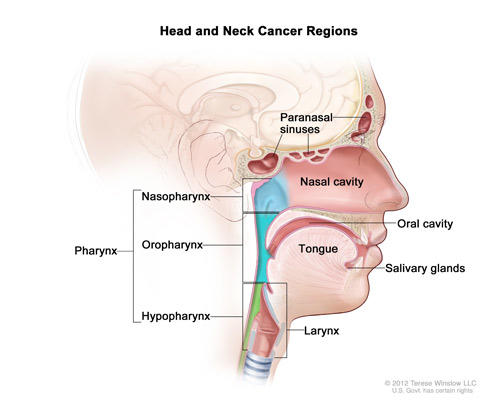
Head and neck cancers can affect the mouth, tongue, throat, tonsils, larynx (voice box), nasal cavity, sinuses, salivary glands, and lymph nodes of the neck. Treatment is selected according to the location, size, stage and type of cancer and may include surgery, radiation therapy, chemotherapy, targeted therapy, immunotherapy, or a combination of treatments.
If you or your family member has been diagnosed with head and neck cancer, send us your biopsy report, CT/MRI/PET-CT reports and previous treatment records for a preliminary review and treatment-cost estimate.
📲 WhatsApp: +91 9582708782
📧 Email: treatmentquery@gmail.com
🌐 Peace Medical Tourism: Peace Medical Tourism
Head and Neck Cancer Treatment Cost in India
The approximate overall cost of head and neck cancer treatment in India can range from USD 4,000 to USD 18,000 or more, depending on the treatment plan.
| Treatment | Approximate Cost (USD) |
|---|---|
| Cancer Surgery | $2,500 – $7,000 |
| Radiation Therapy | $2,000 – $5,000 |
| Chemotherapy | $500 – $3,000+ |
| Surgery + Radiation/Chemotherapy | $5,000 – $18,000+ |
| Complex Surgery with Reconstruction | $8,000 – $20,000+ |
For example, Indian Hospitals currently lists an indicative cost of 2500 to 7000 USD for head and neck cancer surgery alone; the complete treatment cost can be considerably higher when radiation, chemotherapy, reconstruction or advanced medicines are required.
Factors Affecting Treatment Cost
The final cost depends on:
- Type and location of cancer
- Stage of cancer
- Size and spread of the tumour
- Type of surgery
- Need for neck dissection
- Need for reconstructive surgery
- Radiation therapy technique
- Chemotherapy or immunotherapy medicines
- Hospital and room category
- Duration of hospitalization
- Diagnostic tests and pathology
- Rehabilitation and follow-up care
Advanced radiation techniques such as IMRT, IGRT, VMAT/RapidArc and proton therapy may be considered for selected patients.
Why Choose India for Head and Neck Cancer Treatment?
India offers:
✅ Experienced head and neck cancer specialists
✅ Multidisciplinary cancer teams
✅ Advanced surgical techniques
✅ Modern radiation therapy
✅ Chemotherapy, targeted therapy and immunotherapy
✅ Reconstructive and rehabilitation services
✅ Affordable treatment compared with many Western countries
✅ Dedicated international patient departments
Leading cancer centres commonly use a multidisciplinary approach involving head and neck surgeons, medical oncologists, radiation oncologists, reconstructive surgeons, dental specialists, speech and swallowing specialists and other professionals.
Best Hospitals for Head and Neck Cancer Treatment in India
Some well-known hospitals and cancer centres in India include:
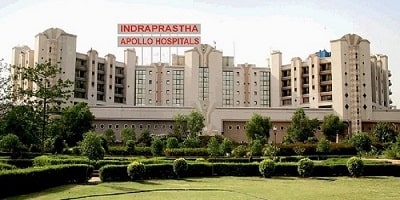
- Apollo Hospitals
- Tata Memorial Centre
- Max Super Speciality Hospitals
- Medanta – The Medicity
- Fortis Hospitals
- BLK-Max Super Speciality Hospital
- Artemis Hospital
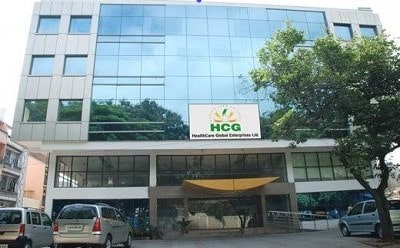
- HCG Cancer Centre
- Amrita Hospital
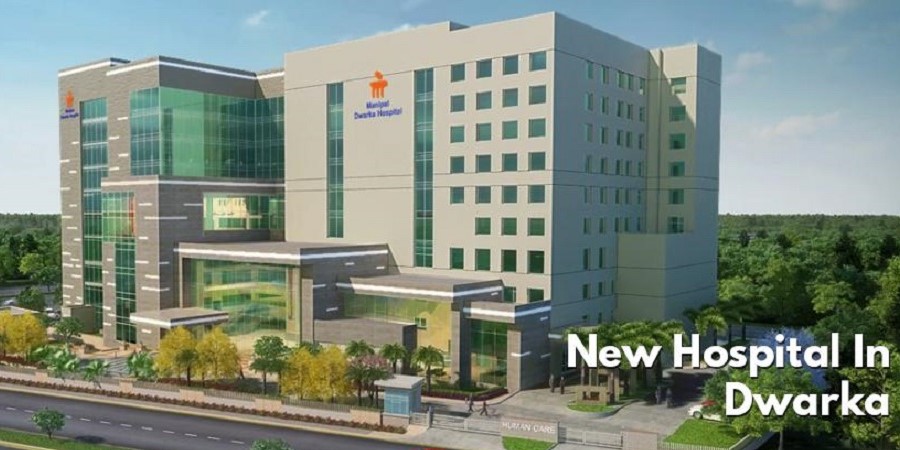
- Manipal Hospitals
The most suitable hospital depends on the patient's cancer type, stage, required treatment and specialist availability.
What Is Head and Neck Cancer?
Head and neck cancer is a group of cancers that develop in tissues of the head and neck, including the oral cavity, throat, larynx, nasal cavity, sinuses and salivary glands.
Squamous cell carcinoma is the most common type of head and neck cancer.
Early diagnosis is important because treatment can sometimes be performed while preserving important functions such as speech, swallowing and breathing.
Symptoms of Head and Neck Cancer
Common symptoms may include:
- Persistent sore or ulcer in the mouth
- Lump or swelling in the neck
- Difficulty swallowing
- Persistent sore throat
- Hoarseness or changes in voice
- Difficulty chewing
- Unexplained weight loss
- Persistent ear pain
- Nasal obstruction or bleeding
- Difficulty breathing
- Loose teeth without an obvious cause
- Persistent pain in the mouth or throat
These symptoms can have many causes and do not necessarily indicate cancer. Persistent or unexplained symptoms should be evaluated by a qualified doctor.
Diagnosis of Head and Neck Cancer
Doctors may recommend:
- Physical and ENT examination
- Endoscopy
- Biopsy
- CT scan
- MRI
- PET-CT
- Blood tests
- HPV testing in selected cancers
- Pathology and molecular testing when appropriate
Symptoms of Head and Neck Cancer
Common symptoms may include:
- Persistent sore or ulcer in the mouth
- Lump or swelling in the neck
- Difficulty swallowing
- Persistent sore throat
- Hoarseness or changes in voice
- Difficulty chewing
- Unexplained weight loss
- Persistent ear pain
- Nasal obstruction or bleeding
- Difficulty breathing
- Loose teeth without an obvious cause
- Persistent pain in the mouth or throat
These symptoms can have many causes and do not necessarily indicate cancer. Persistent or unexplained symptoms should be evaluated by a qualified doctor.
Risk Factors of Head and Neck Cancer Treatment
Head and neck cancer treatment can have some risks depending on the type of treatment, cancer stage, and patient's overall health.
- Surgery: Bleeding, infection, pain, nerve damage, scarring, and difficulty with speech or swallowing.
- Radiation Therapy: Dry mouth, fatigue, skin irritation, mouth sores, and swallowing difficulties.
- Chemotherapy: Nausea, fatigue, hair loss, low blood counts, infections, and loss of appetite.
- Targeted Therapy: Skin reactions, diarrhea, fatigue, and other medicine-specific side effects.
- Immunotherapy: Skin reactions, diarrhea, thyroid problems, liver or lung inflammation.
- Long-Term Effects: Dental problems, difficulty swallowing, speech changes, reduced neck movement, and possible cancer recurrence.
The risk of complications can be reduced through proper medical evaluation, experienced cancer specialists, good nutrition, regular follow-up, and rehabilitation.
Preparation for Head and Neck Cancer Treatment
Before treatment, patients should bring:
- Previous biopsy reports
- CT/MRI/PET-CT scans
- Pathology slides or blocks, if available
- Previous treatment records
- Medication list
- Blood test reports
- Passport and medical documents for international patients
The medical team may repeat certain tests or pathology reviews before preparing the final treatment plan.
Good nutrition is particularly important because some head and neck cancers can affect eating and swallowing. A dietitian and swallowing specialist may be involved when required.
Procedure and Treatment Journey
The treatment journey generally includes:
Step 1: Initial consultation and medical-record review
Step 2: Diagnostic evaluation and staging
Step 3: Multidisciplinary treatment planning
Step 4: Surgery and/or radiation/medical treatment
Step 5: Pathology assessment
Step 6: Additional treatment if required
Step 7: Rehabilitation and nutritional support
Step 8: Regular follow-up monitoring
The exact sequence depends on the cancer type and stage.
Treatment Options for Head and Neck Cancer in India
1. Surgery
Surgery may be recommended when the tumour can be removed safely. Depending on the cancer site, procedures can include tumour removal, neck dissection, partial or total removal of affected structures, and reconstructive surgery.
For selected tumours, minimally invasive procedures such as transoral laser surgery or transoral robotic surgery (TORS) may be considered.
2. Radiation Therapy
Radiotherapy may be used after surgery, instead of surgery for selected cancers, or together with chemotherapy. Modern techniques can precisely target the tumour while attempting to reduce radiation exposure to surrounding healthy tissues.
3. Chemotherapy
Chemotherapy may be used before surgery, after surgery, together with radiation, or for advanced/metastatic disease depending on the cancer type and treatment plan.
4. Targeted Therapy
Targeted medicines are designed to act on specific molecular features involved in cancer growth. They may be appropriate for selected patients.
5. Immunotherapy
Immunotherapy uses medicines that help the immune system recognize and attack cancer cells. It may be recommended for selected advanced or recurrent cancers depending on pathology and other clinical factors.
6. Reconstructive Surgery
When extensive tissue needs to be removed, reconstructive surgery may help restore appearance, speech, swallowing and other functions. Microsurgical tissue flaps may be used for complex reconstruction.
Post-Treatment Care
After treatment, patients may require:
- Wound care
- Pain management
- Nutritional support
- Speech therapy
- Swallowing therapy
- Dental care
- Physiotherapy when required
- Regular imaging and clinical examinations
- Monitoring for recurrence
- Management of radiation or chemotherapy side effects
Speech and swallowing rehabilitation can be particularly important after certain head and neck procedures.
Success Rate of Head and Neck Cancer Treatment
There is no single success rate for all head and neck cancers. Outcomes depend on:
- Cancer type
- Location
- Stage at diagnosis
- HPV status for relevant cancers
- Overall health
- Response to treatment
- Whether the tumour has spread
- Treatment approach
Generally, early-stage cancers have better treatment outcomes than advanced cancers. Your oncology team should provide an individualized prognosis after reviewing the biopsy, scans and staging.
Frequently Asked Questions (FAQs)
1. What is the cost of head and neck cancer treatment in India?
The overall cost may range from approximately USD 4,000 to USD 18,000 or more, depending on the treatment required. Complex surgery, reconstruction, advanced radiation, immunotherapy and targeted medicines can increase the total cost.
2. What is the cost of head and neck cancer surgery in India?
Head and neck cancer surgery may cost approximately USD 2,500–$7,000, while complex procedures requiring reconstruction can cost more. Apollo Hospitals lists ₹1.5 lakh–₹5 lakh as an indicative range for head and neck cancer surgery.
3. Is head and neck cancer curable?
Some head and neck cancers can be cured, particularly when diagnosed and treated at an early stage. The prognosis depends on the type, location, stage and response to treatment.
4. What treatments are available?
Treatment may include surgery, radiation therapy, chemotherapy, targeted therapy and immunotherapy, either individually or in combination.
5. How long does treatment take?
Treatment duration varies. Surgery may require a hospital stay of several days, while radiation-based treatment may continue over several weeks. Chemotherapy schedules depend on the treatment protocol.
6. Can head and neck cancer surgery affect speech or swallowing?
Yes. Depending on the location and extent of surgery, speech or swallowing can be affected. Reconstructive surgery and speech/swallowing therapy may help restore function.
7. Is chemotherapy always required?
No. Chemotherapy is not required for every patient. The decision depends on the cancer type, stage, pathology and overall treatment strategy.
8. Is radiation therapy required after surgery?
Radiation may be recommended after surgery when there are specific high-risk features or when the cancer treatment plan requires it.
9. Can international patients receive head and neck cancer treatment in India?
Yes. International patients can seek consultation and treatment at Indian cancer centres. Peace Medical Tourism can assist with hospital selection, medical documentation, visa support, accommodation and treatment coordination.
10. How can Peace Medical Tourism help?
Peace Medical Tourism can assist international patients with:
- Free medical opinion coordination
- Hospital and doctor selection
- Treatment cost estimates
- Medical visa invitation support
- Airport pickup
- Hotel/accommodation assistance
- Interpreter support
- Hospital coordination
- Follow-up assistance
Head and Neck Cancer Treatment in India – Contact Us
If you or your family member has been diagnosed with head and neck cancer, send us your biopsy report, CT/MRI/PET-CT reports and previous treatment records for a preliminary review and treatment-cost estimate.
📲 WhatsApp: +91 9582708782
📧 Email: treatmentquery@gmail.com
🌐 Peace Medical Tourism: Peace Medical Tourism
Note: Treatment costs and medical outcomes are indicative. A final treatment plan and quotation can only be provided after evaluation by the treating oncology team.
Head and Neck Cancer Treatment in India is available at advanced cancer centres with experienced multidisciplinary teams, modern diagnostic facilities, and comprehensive treatment options. The head and neck cancer treatment cost in India is generally more affordable than in many Western countries, although the final cost depends on the cancer type, stage, treatment plan, hospital, and patient's overall condition. Patients looking for head and neck cancer surgery cost in India can access procedures for oral, throat, laryngeal, and other head and neck cancers at leading head and neck cancer surgery hospitals. Treatment may include surgery, radiation therapy, chemotherapy, targeted therapy, or a combination of treatments. The radiation therapy cost in India and chemotherapy cost in India vary according to the treatment technique, medicines, number of sessions, and duration of care. India is also a preferred destination for oral cancer treatment and throat cancer treatment, offering access to experienced oncologists and leading cancer hospitals in India. For international patients, medical tourism in India provides access to quality cancer care at comparatively affordable costs, along with assistance with hospital selection, medical visa support, accommodation, airport transfers, and follow-up care. Peace Medical Tourism helps international patients connect with suitable hospitals and best oncologists in India while coordinating their complete treatment journey.
Top Doctors
Sorry, There is nothing to show!Come back soon.
Top Hospitals












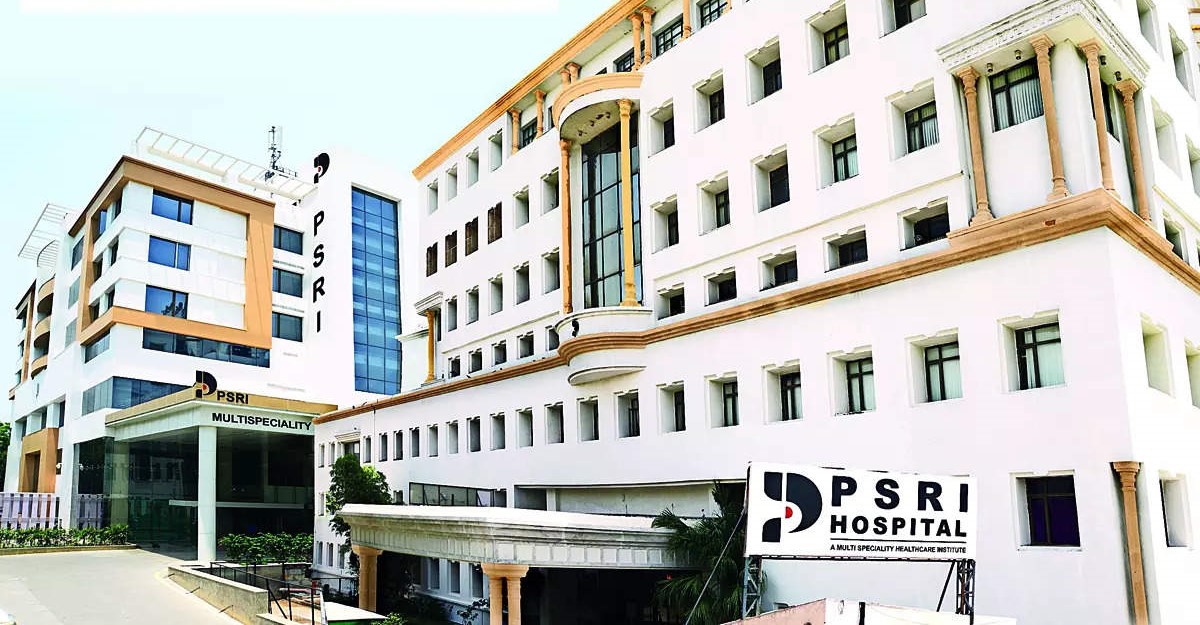


HEAD AND NECK CANCER COST IN INDIA
Duration of Treatment
Depends on the Stage
Days of Stay
2 to 3 months
Anesthesia
General Anesthesia
Cost
4000 to 15000 USD
Head and Neck Cancer Treatment Cost in India
Are you looking for the best Head and Neck Cancer Treatment in India at an affordable cost? India is a leading destination for international patients seeking advanced cancer treatment, experienced surgical and medical oncologists, modern radiation therapy, and multidisciplinary cancer care.
Head and neck cancers can affect the mouth, tongue, throat, tonsils, larynx (voice box), nasal cavity, sinuses, salivary glands, and lymph nodes of the neck. Treatment is selected according to the location, size, stage and type of cancer and may include surgery, radiation therapy, chemotherapy, targeted therapy, immunotherapy, or a combination of treatments.
If you or your family member has been diagnosed with head and neck cancer, send us your biopsy report, CT/MRI/PET-CT reports and previous treatment records for a preliminary review and treatment-cost estimate.
📲 WhatsApp: +91 9582708782
📧 Email: treatmentquery@gmail.com
🌐 Peace Medical Tourism: Peace Medical Tourism
Head and Neck Cancer Treatment Cost in India
The approximate overall cost of head and neck cancer treatment in India can range from USD 4,000 to USD 18,000 or more, depending on the treatment plan.
| Treatment | Approximate Cost (USD) |
|---|---|
| Cancer Surgery | $2,500 – $7,000 |
| Radiation Therapy | $2,000 – $5,000 |
| Chemotherapy | $500 – $3,000+ |
| Surgery + Radiation/Chemotherapy | $5,000 – $18,000+ |
| Complex Surgery with Reconstruction | $8,000 – $20,000+ |
For example, Indian Hospitals currently lists an indicative cost of 2500 to 7000 USD for head and neck cancer surgery alone; the complete treatment cost can be considerably higher when radiation, chemotherapy, reconstruction or advanced medicines are required.
Factors Affecting Treatment Cost
The final cost depends on:
- Type and location of cancer
- Stage of cancer
- Size and spread of the tumour
- Type of surgery
- Need for neck dissection
- Need for reconstructive surgery
- Radiation therapy technique
- Chemotherapy or immunotherapy medicines
- Hospital and room category
- Duration of hospitalization
- Diagnostic tests and pathology
- Rehabilitation and follow-up care
Advanced radiation techniques such as IMRT, IGRT, VMAT/RapidArc and proton therapy may be considered for selected patients.
Why Choose India for Head and Neck Cancer Treatment?
India offers:
✅ Experienced head and neck cancer specialists
✅ Multidisciplinary cancer teams
✅ Advanced surgical techniques
✅ Modern radiation therapy
✅ Chemotherapy, targeted therapy and immunotherapy
✅ Reconstructive and rehabilitation services
✅ Affordable treatment compared with many Western countries
✅ Dedicated international patient departments
Leading cancer centres commonly use a multidisciplinary approach involving head and neck surgeons, medical oncologists, radiation oncologists, reconstructive surgeons, dental specialists, speech and swallowing specialists and other professionals.
Best Hospitals for Head and Neck Cancer Treatment in India
Some well-known hospitals and cancer centres in India include:
- Apollo Hospitals
- Tata Memorial Centre
- Max Super Speciality Hospitals
- Medanta – The Medicity
- Fortis Hospitals
- BLK-Max Super Speciality Hospital
- Artemis Hospital
- HCG Cancer Centre
- Amrita Hospital
- Manipal Hospitals
The most suitable hospital depends on the patient's cancer type, stage, required treatment and specialist availability.
What Is Head and Neck Cancer?
Head and neck cancer is a group of cancers that develop in tissues of the head and neck, including the oral cavity, throat, larynx, nasal cavity, sinuses and salivary glands.
Squamous cell carcinoma is the most common type of head and neck cancer.
Early diagnosis is important because treatment can sometimes be performed while preserving important functions such as speech, swallowing and breathing.
Symptoms of Head and Neck Cancer
Common symptoms may include:
- Persistent sore or ulcer in the mouth
- Lump or swelling in the neck
- Difficulty swallowing
- Persistent sore throat
- Hoarseness or changes in voice
- Difficulty chewing
- Unexplained weight loss
- Persistent ear pain
- Nasal obstruction or bleeding
- Difficulty breathing
- Loose teeth without an obvious cause
- Persistent pain in the mouth or throat
These symptoms can have many causes and do not necessarily indicate cancer. Persistent or unexplained symptoms should be evaluated by a qualified doctor.
Diagnosis of Head and Neck Cancer
Doctors may recommend:
- Physical and ENT examination
- Endoscopy
- Biopsy
- CT scan
- MRI
- PET-CT
- Blood tests
- HPV testing in selected cancers
- Pathology and molecular testing when appropriate
symptoms
Symptoms of Head and Neck Cancer
Common symptoms may include:
- Persistent sore or ulcer in the mouth
- Lump or swelling in the neck
- Difficulty swallowing
- Persistent sore throat
- Hoarseness or changes in voice
- Difficulty chewing
- Unexplained weight loss
- Persistent ear pain
- Nasal obstruction or bleeding
- Difficulty breathing
- Loose teeth without an obvious cause
- Persistent pain in the mouth or throat
These symptoms can have many causes and do not necessarily indicate cancer. Persistent or unexplained symptoms should be evaluated by a qualified doctor.
risk factors
Risk Factors of Head and Neck Cancer Treatment
Head and neck cancer treatment can have some risks depending on the type of treatment, cancer stage, and patient's overall health.
- Surgery: Bleeding, infection, pain, nerve damage, scarring, and difficulty with speech or swallowing.
- Radiation Therapy: Dry mouth, fatigue, skin irritation, mouth sores, and swallowing difficulties.
- Chemotherapy: Nausea, fatigue, hair loss, low blood counts, infections, and loss of appetite.
- Targeted Therapy: Skin reactions, diarrhea, fatigue, and other medicine-specific side effects.
- Immunotherapy: Skin reactions, diarrhea, thyroid problems, liver or lung inflammation.
- Long-Term Effects: Dental problems, difficulty swallowing, speech changes, reduced neck movement, and possible cancer recurrence.
The risk of complications can be reduced through proper medical evaluation, experienced cancer specialists, good nutrition, regular follow-up, and rehabilitation.
preparation
Preparation for Head and Neck Cancer Treatment
Before treatment, patients should bring:
- Previous biopsy reports
- CT/MRI/PET-CT scans
- Pathology slides or blocks, if available
- Previous treatment records
- Medication list
- Blood test reports
- Passport and medical documents for international patients
The medical team may repeat certain tests or pathology reviews before preparing the final treatment plan.
Good nutrition is particularly important because some head and neck cancers can affect eating and swallowing. A dietitian and swallowing specialist may be involved when required.
procedure
Procedure and Treatment Journey
The treatment journey generally includes:
Step 1: Initial consultation and medical-record review
Step 2: Diagnostic evaluation and staging
Step 3: Multidisciplinary treatment planning
Step 4: Surgery and/or radiation/medical treatment
Step 5: Pathology assessment
Step 6: Additional treatment if required
Step 7: Rehabilitation and nutritional support
Step 8: Regular follow-up monitoring
The exact sequence depends on the cancer type and stage.
Treatment Options for Head and Neck Cancer in India
1. Surgery
Surgery may be recommended when the tumour can be removed safely. Depending on the cancer site, procedures can include tumour removal, neck dissection, partial or total removal of affected structures, and reconstructive surgery.
For selected tumours, minimally invasive procedures such as transoral laser surgery or transoral robotic surgery (TORS) may be considered.
2. Radiation Therapy
Radiotherapy may be used after surgery, instead of surgery for selected cancers, or together with chemotherapy. Modern techniques can precisely target the tumour while attempting to reduce radiation exposure to surrounding healthy tissues.
3. Chemotherapy
Chemotherapy may be used before surgery, after surgery, together with radiation, or for advanced/metastatic disease depending on the cancer type and treatment plan.
4. Targeted Therapy
Targeted medicines are designed to act on specific molecular features involved in cancer growth. They may be appropriate for selected patients.
5. Immunotherapy
Immunotherapy uses medicines that help the immune system recognize and attack cancer cells. It may be recommended for selected advanced or recurrent cancers depending on pathology and other clinical factors.
6. Reconstructive Surgery
When extensive tissue needs to be removed, reconstructive surgery may help restore appearance, speech, swallowing and other functions. Microsurgical tissue flaps may be used for complex reconstruction.
post procedure
Post-Treatment Care
After treatment, patients may require:
- Wound care
- Pain management
- Nutritional support
- Speech therapy
- Swallowing therapy
- Dental care
- Physiotherapy when required
- Regular imaging and clinical examinations
- Monitoring for recurrence
- Management of radiation or chemotherapy side effects
Speech and swallowing rehabilitation can be particularly important after certain head and neck procedures.
success rate
Success Rate of Head and Neck Cancer Treatment
There is no single success rate for all head and neck cancers. Outcomes depend on:
- Cancer type
- Location
- Stage at diagnosis
- HPV status for relevant cancers
- Overall health
- Response to treatment
- Whether the tumour has spread
- Treatment approach
Generally, early-stage cancers have better treatment outcomes than advanced cancers. Your oncology team should provide an individualized prognosis after reviewing the biopsy, scans and staging.
faqs from doctor
Frequently Asked Questions (FAQs)
1. What is the cost of head and neck cancer treatment in India?
The overall cost may range from approximately USD 4,000 to USD 18,000 or more, depending on the treatment required. Complex surgery, reconstruction, advanced radiation, immunotherapy and targeted medicines can increase the total cost.
2. What is the cost of head and neck cancer surgery in India?
Head and neck cancer surgery may cost approximately USD 2,500–$7,000, while complex procedures requiring reconstruction can cost more. Apollo Hospitals lists ₹1.5 lakh–₹5 lakh as an indicative range for head and neck cancer surgery.
3. Is head and neck cancer curable?
Some head and neck cancers can be cured, particularly when diagnosed and treated at an early stage. The prognosis depends on the type, location, stage and response to treatment.
4. What treatments are available?
Treatment may include surgery, radiation therapy, chemotherapy, targeted therapy and immunotherapy, either individually or in combination.
5. How long does treatment take?
Treatment duration varies. Surgery may require a hospital stay of several days, while radiation-based treatment may continue over several weeks. Chemotherapy schedules depend on the treatment protocol.
6. Can head and neck cancer surgery affect speech or swallowing?
Yes. Depending on the location and extent of surgery, speech or swallowing can be affected. Reconstructive surgery and speech/swallowing therapy may help restore function.
7. Is chemotherapy always required?
No. Chemotherapy is not required for every patient. The decision depends on the cancer type, stage, pathology and overall treatment strategy.
8. Is radiation therapy required after surgery?
Radiation may be recommended after surgery when there are specific high-risk features or when the cancer treatment plan requires it.
9. Can international patients receive head and neck cancer treatment in India?
Yes. International patients can seek consultation and treatment at Indian cancer centres. Peace Medical Tourism can assist with hospital selection, medical documentation, visa support, accommodation and treatment coordination.
10. How can Peace Medical Tourism help?
Peace Medical Tourism can assist international patients with:
- Free medical opinion coordination
- Hospital and doctor selection
- Treatment cost estimates
- Medical visa invitation support
- Airport pickup
- Hotel/accommodation assistance
- Interpreter support
- Hospital coordination
- Follow-up assistance
Head and Neck Cancer Treatment in India – Contact Us
If you or your family member has been diagnosed with head and neck cancer, send us your biopsy report, CT/MRI/PET-CT reports and previous treatment records for a preliminary review and treatment-cost estimate.
📲 WhatsApp: +91 9582708782
📧 Email: treatmentquery@gmail.com
🌐 Peace Medical Tourism: Peace Medical Tourism
Note: Treatment costs and medical outcomes are indicative. A final treatment plan and quotation can only be provided after evaluation by the treating oncology team.
Head and Neck Cancer Treatment in India is available at advanced cancer centres with experienced multidisciplinary teams, modern diagnostic facilities, and comprehensive treatment options. The head and neck cancer treatment cost in India is generally more affordable than in many Western countries, although the final cost depends on the cancer type, stage, treatment plan, hospital, and patient's overall condition. Patients looking for head and neck cancer surgery cost in India can access procedures for oral, throat, laryngeal, and other head and neck cancers at leading head and neck cancer surgery hospitals. Treatment may include surgery, radiation therapy, chemotherapy, targeted therapy, or a combination of treatments. The radiation therapy cost in India and chemotherapy cost in India vary according to the treatment technique, medicines, number of sessions, and duration of care. India is also a preferred destination for oral cancer treatment and throat cancer treatment, offering access to experienced oncologists and leading cancer hospitals in India. For international patients, medical tourism in India provides access to quality cancer care at comparatively affordable costs, along with assistance with hospital selection, medical visa support, accommodation, airport transfers, and follow-up care. Peace Medical Tourism helps international patients connect with suitable hospitals and best oncologists in India while coordinating their complete treatment journey.
Top Doctors
Sorry, There is nothing to show!Come back soon.