Duration of Treatment
1 to 3 months
Days of Stay
2 to 4 months
Anesthesia
General Anesthesia
Cost
USD $5,000 to $20,000
Kidney Cancer Treatment Cost in India – Best Hospitals, Doctors & Treatment Options
Patients looking for Kidney Cancer Treatment Cost in India can access advanced diagnostic and treatment facilities at leading hospitals across Delhi, Mumbai, Chennai, Hyderabad, Bengaluru and Gurugram. Kidney Cancer Treatment Cost in India is generally more affordable than in many Western countries, while patients can access experienced urologists, uro-oncologists and multidisciplinary cancer teams.
Kidney Cancer Surgery Cost India depends on the type of procedure, hospital, surgeon, cancer stage and patient's overall condition.
Kidney cancer treatment in India is available at internationally recognized hospitals with experienced urologists, uro-oncologists, surgical oncologists and medical oncologists. Treatment is selected according to the type and stage of kidney cancer, tumour size and location, kidney function, patient's age and overall health.
For international patients, India offers advanced treatment options such as partial nephrectomy, radical nephrectomy, laparoscopic surgery, robotic-assisted surgery, ablation, targeted therapy and immunotherapy.
For localized kidney cancer, surgery is generally the main treatment, with partial nephrectomy preferred when the tumour can be removed while preserving healthy kidney tissue. For advanced or metastatic disease, systemic treatments such as immunotherapy and targeted therapies may be incorporated into the treatment plan.
Kidney Cancer Treatment Cost in India – USD
| Kidney Cancer Treatment | Approx. Cost in India (USD) |
|---|---|
| Diagnosis & Initial Evaluation | $500 – $1,500 |
| Kidney Biopsy & Diagnostic Tests | $500 – $1,500 |
| Partial Nephrectomy | $5,000 – $8,000 |
| Radical Nephrectomy | $7,500 – $9,500 |
| Laparoscopic Nephrectomy | $6,000 – $9,000 |
| Robotic Nephrectomy | $9,500 – $11,500 |
| Ablation / Minimally Invasive Treatment | $3,000 – $6,000 |
| Targeted Therapy | $1,000 – $3,000+ per month |
| Immunotherapy | $1,500 – $5,000+ per cycle |
| Advanced/Metastatic Kidney Cancer Treatment | $8,000 – $20,000+ |
These are indicative medical-tourism estimates, not fixed hospital quotations. Actual costs depend on cancer stage, tumour size and location, type of surgery, surgical technique, hospital, surgeon, medicines and whether additional oncology treatment is required. Current published Indian estimates also show substantial variation by procedure and hospital.
Kidney Cancer Treatment Cost in India
The cost of kidney cancer treatment in India generally ranges from USD $5,000 to $20,000 or more, depending on the stage of cancer and the treatment required. Surgery is often the main treatment for localized kidney cancer, while patients with advanced disease may require targeted therapy, immunotherapy, or a combination of treatments.
At Peace Medical Tourism, we help international patients find experienced urologic oncologists and leading cancer hospitals in India. The final treatment cost is determined after reviewing the patient's medical reports, scans, biopsy/pathology results and overall health condition.
Major factors affecting kidney cancer treatment cost include:
- Stage and type of kidney cancer
- Size and location of the tumour
- Partial or radical nephrectomy
- Open, laparoscopic or robotic surgery
- Surgeon and hospital selected
- Pre-operative investigations
- Length of hospital stay
- Medicines and supportive care
- Targeted therapy or immunotherapy
- Post-operative follow-up and complications
What Is Included in the Kidney Cancer Treatment Cost?
Depending on the hospital package, the estimated treatment cost may include:
- Specialist consultation
- Pre-operative investigations
- Surgeon and anesthesia fees
- Operation theatre charges
- Hospital room and nursing care
- Surgery and medical consumables
- Post-operative monitoring
- Routine medicines during hospitalization
Additional expenses, such as international travel, accommodation outside the hospital, long-term medicines, extended hospital stay, complications and additional cancer therapies may be charged separately. Peace Medical Tourism also provides international-patient assistance such as medical appointment coordination, treatment estimates, visa invitation support, airport pickup and accommodation assistance, subject to applicable package terms. Important: The above prices are approximate and should be presented on the website as “estimated cost” rather than a guaranteed package price. A personalized quotation should be prepared after the patient's medical records are reviewed.
Best Hospitals for Kidney Cancer Treatment in India
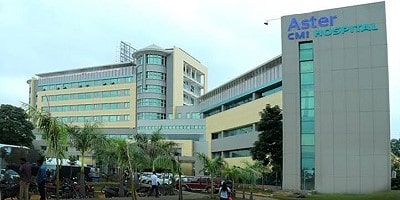
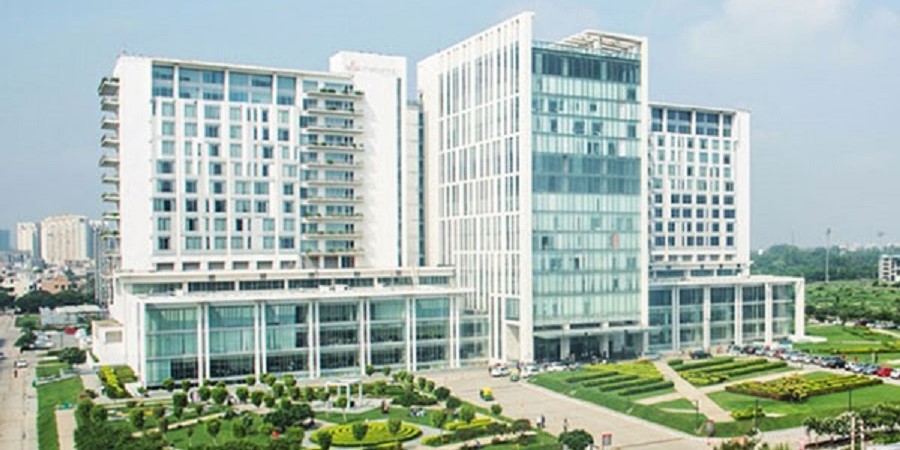
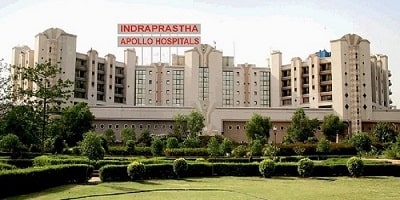
India has several advanced hospitals providing urology, uro-oncology and cancer treatment services. Some hospitals frequently considered by international patients include:
- Apollo Hospitals
- Max Healthcare
- Fortis Healthcare
- Medanta – The Medicity
- BLK-Max Super Speciality Hospital
- Artemis Hospitals
- Manipal Hospitals
- Amrita Hospital
- Yashoda Hospitals
- Rajiv Gandhi Cancer Institute and Research Centre
The best hospital depends on the patient's diagnosis, cancer stage, required surgery, medical history and preferred location.
Best Kidney Cancer Doctors in India
Kidney cancer treatment generally involves a team rather than a single specialist. Depending on the case, the team may include:
- Urologic oncologist
- Urologist
- Surgical oncologist
- Medical oncologist
- Radiation oncologist
- Interventional radiologist
- Nephrologist
- Pathologist
A multidisciplinary approach is particularly important for complex or metastatic kidney cancer.
What Is Kidney Cancer?
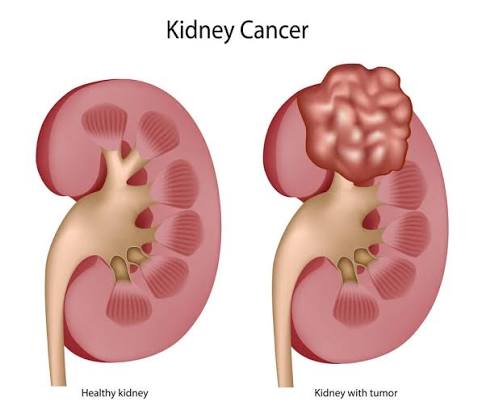
Kidney cancer is a type of cancer that begins when abnormal cells in the kidney grow and multiply uncontrollably, forming a tumor. The kidneys are two bean-shaped organs located on either side of the spine that filter waste products from the blood and produce urine.
The most common type of kidney cancer in adults is renal cell carcinoma (RCC). Other, less common types include urothelial carcinoma of the renal pelvis and Wilms tumor, which primarily affects children.
Common Symptoms of Kidney Cancer
In its early stages, kidney cancer may not cause noticeable symptoms. As the disease progresses, some people may experience:
- Blood in the urine (hematuria)
- Pain in the side or lower back
- A lump or swelling in the abdomen or side
- Unexplained weight loss
- Loss of appetite
- Persistent tiredness
- Fever without an obvious infection
- Anemia
- High blood pressure in some patients
These symptoms can also occur with conditions other than cancer, so medical evaluation is important.
Risk Factors for Kidney Cancer
Several factors can increase the risk of developing kidney cancer. Having one or more risk factors does not mean that a person will definitely develop kidney cancer.
Major Risk Factors
- Smoking: Tobacco use increases the risk of kidney cancer.
- Obesity: Excess body weight is associated with a higher risk of renal cell carcinoma.
- High Blood Pressure: Long-term hypertension has been linked with an increased risk.
- Family History: Having a close family member with kidney cancer may increase the risk.
- Age: Kidney cancer is more commonly diagnosed in older adults.
- Male Sex: Kidney cancer occurs more frequently in men than women.
- Chronic Kidney Disease: Certain long-term kidney conditions, particularly those requiring dialysis, may increase risk.
- Inherited Genetic Conditions: Conditions such as von Hippel–Lindau (VHL) disease, hereditary papillary renal cell carcinoma and Birt-Hogg-Dubé syndrome can increase the risk.
- Workplace Chemical Exposure: Long-term exposure to certain chemicals may contribute to kidney cancer risk.
- Previous Radiation Treatment: In some circumstances, previous radiation exposure may be associated with increased risk.
- Certain Medications: Long-term or inappropriate use of some older pain medicines has historically been associated with kidney problems and certain kidney cancers.
Preparation for Kidney Cancer Treatment
Proper preparation before kidney cancer treatment helps doctors understand the cancer, select the most appropriate treatment and reduce the risk of complications. Preparation may vary depending on whether the patient is undergoing partial nephrectomy, radical nephrectomy, robotic surgery, ablation, immunotherapy or targeted therapy.
1. Medical Evaluation
The doctor will review the patient's medical history, previous treatments, current medications and overall health. Kidney function, blood pressure and other important health conditions are also assessed.
2. Diagnostic Tests
Patients may undergo tests such as:
- Blood and urine tests
- Kidney function tests
- CT scan or MRI
- Ultrasound
- Chest imaging
- Biopsy, when required
- ECG and other pre-operative tests before surgery
3. Review of Medications
Inform the doctor about all medicines, vitamins and supplements being taken. Certain blood-thinning medicines may need to be temporarily stopped or adjusted before surgery, but this should only be done under the treating doctor's instructions.
4. Pre-Surgical Consultation
If surgery is planned, the surgeon and anesthesiologist will explain:
- Type of surgery
- Expected hospital stay
- Anesthesia
- Possible risks and complications
- Recovery period
- Follow-up requirements
5. Healthy Lifestyle
Before treatment, patients should follow their doctor's advice regarding nutrition, physical activity, smoking cessation and alcohol avoidance. Good general health can support recovery.
6. Arrange Travel and Accommodation
For international patients coming to India, it is advisable to arrange:
- Medical consultation before travel
- Hospital appointment
- Medical visa and required documentation
- Flights
- Accommodation near the hospital
- Airport transportation
- A companion or attendant, if required
7. Bring Medical Records
International patients should carry or send copies of:
- Previous medical reports
- CT/MRI scans and reports
- Biopsy/pathology reports
- Blood-test results
- Previous treatment records
- Current medication list
- Doctor's referral or medical summary
Important: The exact preparation requirements depend on the patient's condition and planned treatment. Patients should follow the instructions provided by their treating oncologist or urologic surgeon.
Kidney Cancer Procedure and Treatment
The treatment of kidney cancer depends on the type and stage of cancer, tumor size and location, whether the cancer has spread, kidney function, and the patient's overall health. A multidisciplinary team may recommend surgery, active surveillance, ablation, targeted therapy, immunotherapy, or a combination of treatments.
1. Diagnosis and Staging
Before treatment, doctors determine the exact characteristics and stage of the kidney cancer. This may involve:
- Blood and urine tests
- Ultrasound
- CT scan
- MRI
- Chest imaging
- Biopsy in selected cases
- Pathological examination
Staging helps doctors determine whether the cancer is confined to the kidney or has spread to nearby tissues or distant organs.
2. Partial Nephrectomy
Partial nephrectomy is a kidney-sparing procedure in which the surgeon removes the cancerous tumor while preserving the remaining healthy kidney tissue.
It is commonly considered for appropriately selected localized tumors, particularly when preserving kidney function is important. The surgery may be performed through an open, laparoscopic or robotic approach.
3. Radical Nephrectomy
Radical nephrectomy involves removing the entire affected kidney. Depending on the individual case, surrounding tissues or nearby structures may also need to be removed.
It may be recommended when the tumor is large, complex, centrally located, or unsuitable for partial nephrectomy.
4. Laparoscopic Kidney Cancer Surgery
Laparoscopic surgery uses several small incisions and specialized surgical instruments instead of one large incision.
Potential advantages include:
- Smaller surgical wounds
- Less postoperative pain
- Shorter hospitalization
- Faster recovery in appropriately selected patients
5. Robotic-Assisted Kidney Cancer Surgery
Robotic-assisted surgery is a minimally invasive technique that allows the surgeon to perform precise movements using specialized robotic instruments.
Robotic partial nephrectomy may be considered for selected kidney tumors where tumor removal and preservation of healthy kidney tissue are both important goals.
6. Ablation Therapy
For selected small kidney tumors, particularly in patients who may not be suitable candidates for major surgery, doctors may consider tumor ablation.
Common techniques include:
- Cryoablation – destroys tumor cells by freezing them.
- Radiofrequency ablation (RFA) – uses heat to destroy abnormal tissue.
The suitability of ablation depends on tumor size, location and the patient's overall condition.
7. Active Surveillance
Some small kidney tumors may grow slowly and may not require immediate treatment. In selected patients, doctors may recommend active surveillance, involving regular imaging and medical assessments.
Treatment can be initiated if the tumor shows significant growth or other concerning changes.
8. Targeted Therapy
For advanced or metastatic kidney cancer, doctors may use targeted medicines that interfere with specific pathways involved in cancer growth and blood-vessel formation.
The choice of treatment depends on the cancer subtype, stage, previous treatment and patient's overall health.
9. Immunotherapy
Immunotherapy helps the body's immune system recognize and attack cancer cells. It has become an important treatment option for advanced kidney cancer.
Depending on the patient's disease characteristics, doctors may recommend immunotherapy alone or in combination with targeted medicines.
10. Radiation Therapy
Radiation therapy is not usually the primary treatment for localized kidney cancer, but it may have an important role in selected patients, particularly for controlling symptoms or treating certain areas of metastatic disease.
11. Treatment for Advanced Kidney Cancer
When kidney cancer has spread to other parts of the body, treatment may include:
- Immunotherapy
- Targeted therapy
- Combination systemic therapy
- Surgery in selected patients
- Radiation therapy for selected metastatic sites
- Supportive and palliative care when appropriate
Treatment is generally planned by a multidisciplinary oncology team.
Kidney Cancer Treatment Process
A typical treatment pathway may include:
Consultation → Diagnostic Tests → Cancer Staging → Multidisciplinary Treatment Planning → Surgery/Medical Treatment → Recovery → Follow-up & Surveillance
The treatment plan is individualized for every patient. Early-stage kidney cancer may be treated successfully with surgery, while advanced kidney cancer may require long-term systemic treatment.
Treatment at Peace Medical Tourism
Peace Medical Tourism can help international patients coordinate kidney cancer treatment in India, including medical-record evaluation, hospital and specialist coordination, treatment-cost estimates, appointment scheduling, medical visa assistance and accommodation/travel support.
Important: The appropriate procedure and treatment should only be determined after evaluation by a qualified urologist, uro-oncologist or oncology team.
Post-Procedure Care After Kidney Cancer Treatment
Post-procedure care is an important part of recovery after kidney cancer treatment. Recovery depends on the type of treatment performed, such as partial nephrectomy, radical nephrectomy, laparoscopic surgery, robotic surgery or ablation, as well as the patient's overall health.
1. Hospital Monitoring
After kidney cancer surgery, the medical team monitors the patient for:
- Blood pressure and heart rate
- Kidney function
- Urine output
- Pain and discomfort
- Bleeding or infection
- Wound healing
- Any signs of surgical complications
The length of hospital stay varies depending on the procedure and the patient's recovery.
2. Pain Management
Some pain or discomfort is expected after surgery. Doctors may prescribe appropriate pain-relieving medicines. Patients should take medicines only as directed by their healthcare team.
3. Wound Care
Patients should keep the surgical wound clean and dry and follow the hospital's instructions regarding dressing changes and bathing.
Contact the doctor if there is:
- Increasing redness or swelling
- Pus or unusual discharge
- Persistent bleeding
- Increasing pain
- Fever
4. Diet and Hydration
Patients are generally encouraged to gradually return to a normal, balanced diet as tolerated. Adequate hydration may be recommended, but fluid intake should follow the treating doctor's advice, particularly for patients with kidney or heart problems.
5. Physical Activity
Light walking is generally encouraged during recovery to improve circulation and mobility. However, patients should avoid heavy lifting and strenuous activities until their surgeon confirms that it is safe.
6. Kidney Function Monitoring
After removal of part or all of a kidney, doctors may monitor kidney function through blood tests and follow-up examinations. Maintaining healthy blood pressure, avoiding smoking and using medicines responsibly can help protect remaining kidney function.
7. Follow-Up Appointments
Regular follow-up is important after kidney cancer treatment. Depending on the cancer stage and treatment, follow-up may include:
- Physical examination
- Blood and urine tests
- Kidney function testing
- CT or MRI scans
- Other imaging tests when required
Follow-up schedules are individualized according to the patient's risk of recurrence.
8. Cancer Surveillance
Patients should continue regular surveillance even after successful surgery. Follow-up helps doctors identify cancer recurrence, new tumors or changes in kidney function at an early stage.
9. Medicines and Additional Treatment
Some patients may require additional treatment after surgery, while others may only require surveillance. Patients with advanced kidney cancer may continue immunotherapy or targeted therapy according to their oncologist's treatment plan.
10. When to Contact the Doctor
Patients should seek medical attention if they develop:
- High or persistent fever
- Severe or worsening pain
- Difficulty urinating
- Blood in the urine
- Persistent vomiting
- Shortness of breath
- Significant swelling
- Wound infection or excessive bleeding
Recovery After Kidney Cancer Surgery
Recovery varies from patient to patient. Laparoscopic and robotic procedures may allow a faster recovery than traditional open surgery in appropriately selected patients, but complex procedures can require a longer recovery period.
Patients should follow their surgeon's instructions regarding diet, exercise, medications, wound care and return to normal activities.
For international patients: Peace Medical Tourism can assist with follow-up appointments, transportation, accommodation and coordination with the treating hospital after the procedure.
Success Rate of Kidney Cancer Treatment in India
The success of kidney cancer treatment depends mainly on the stage of cancer at diagnosis, tumor type and grade, whether the cancer has spread, the patient's overall health, and the treatment provided. Therefore, there is no single success rate that applies to every patient.
Kidney Cancer Survival by Stage
For website content, it is more accurate to discuss survival rates rather than claiming a fixed “success rate.”
Kidney Cancer StageApproximate 5-Year Relative SurvivalLocalized – cancer confined to the kidney~93%Regional – spread to nearby tissues/lymph nodes~76%Distant – cancer spread to distant organs~19%All stages combined~79%
These figures are population-level statistics and should not be interpreted as an individual patient's prognosis. Outcomes can differ according to cancer subtype, tumor characteristics, treatment response and overall health.
Success of Kidney Cancer Surgery
For localized kidney cancer, surgery such as partial nephrectomy or radical nephrectomy can provide excellent long-term cancer control in appropriately selected patients. When technically feasible, partial nephrectomy can also preserve more healthy kidney tissue.
For advanced kidney cancer, surgery may be combined with immunotherapy or targeted therapy, depending on the patient's individual circumstances.
Factors That Influence Treatment Success
- Stage of kidney cancer
- Tumor size and location
- Cancer grade and subtype
- Whether lymph nodes are involved
- Whether cancer has metastasized
- Patient's age and general health
- Kidney function
- Response to treatment
- Experience of the treating medical team
- Regular follow-up and surveillance
Important Information for Patients
A high survival rate does not mean that every patient will have the same outcome. Kidney cancer detected at an early, localized stage generally has a much better prognosis than cancer that has already spread to distant organs.
For an individual patient, the treating urologic oncologist or oncology team should provide a personalized prognosis after reviewing imaging, pathology, cancer stage and other medical information.
Peace Medical Tourism can help international patients obtain medical opinions and coordinate kidney cancer treatment at leading hospitals in India.
Frequently Asked Questions (FAQs) – Kidney Cancer Treatment in India
1. What is kidney cancer?
Kidney cancer occurs when abnormal cells in the kidney grow uncontrollably and form a tumor. Renal cell carcinoma (RCC) is the most common type of kidney cancer in adults.
2. What are the symptoms of kidney cancer?
Common symptoms may include blood in the urine, pain in the side or lower back, unexplained weight loss, loss of appetite, tiredness, fever and, in some cases, a lump in the abdomen. Early kidney cancer may cause no symptoms.
3. What causes kidney cancer?
The exact cause is not always known. Risk factors include smoking, obesity, high blood pressure, family history, certain inherited genetic conditions and some forms of chronic kidney disease.
4. How is kidney cancer diagnosed?
Doctors may use blood and urine tests, ultrasound, CT scans, MRI and, in selected cases, a biopsy. Imaging is also important for determining the size, location and spread of the tumor.
5. What is the cost of kidney cancer treatment in India?
The approximate cost can range from USD $5,000 to $20,000 or more, depending on the stage of cancer and treatment required. Robotic surgery, complex surgery and prolonged immunotherapy or targeted therapy may increase the overall cost.
6. How much does nephrectomy cost in India?
The cost depends on whether the patient requires partial or radical nephrectomy and whether the procedure is open, laparoscopic or robotic. An approximate range for kidney cancer surgery may be $5,000–$11,500, depending on the procedure and hospital.
7. What is a partial nephrectomy?
Partial nephrectomy is a kidney-sparing operation in which the surgeon removes the cancerous tumor while preserving the remaining healthy kidney tissue. It is commonly used for appropriately selected localized kidney tumors.
8. What is a radical nephrectomy?
Radical nephrectomy involves removing the entire affected kidney. It may be recommended for larger or complex tumors that are not suitable for partial nephrectomy.
9. Is robotic kidney cancer surgery available in India?
Yes. Several advanced hospitals in India offer robotic-assisted kidney cancer surgery, including robotic partial and radical nephrectomy for appropriately selected patients.
10. Is kidney cancer curable?
Early-stage, localized kidney cancer can often be treated successfully and may be curable. Advanced kidney cancer is more difficult to cure but can often be managed with modern systemic treatments such as immunotherapy and targeted therapy.
11. What is the success rate of kidney cancer treatment?
There is no single success rate. The outcome depends mainly on the stage, tumor characteristics and response to treatment. Localized kidney cancer generally has a much better prognosis than cancer that has spread to distant organs.
12. Is chemotherapy used for kidney cancer?
Traditional chemotherapy is generally not the main treatment for the most common type of kidney cancer. Depending on the cancer type and stage, doctors may recommend surgery, immunotherapy or targeted therapy instead.
13. Can kidney cancer be treated without surgery?
Yes, in selected patients. Options may include active surveillance, ablation, targeted therapy or immunotherapy depending on the tumor and patient's condition.
14. How long does kidney cancer surgery take?
The duration varies according to the type and complexity of surgery. The surgeon can provide a more accurate estimate after reviewing the patient's scans and medical history.
15. How long does it take to recover after kidney cancer surgery?
Recovery varies depending on the surgical technique and the patient's health. Minimally invasive procedures may allow a faster recovery, while complex or open surgery may require more time.
16. Can kidney cancer come back after treatment?
Yes. Kidney cancer can recur in some patients. Regular follow-up examinations and imaging are therefore important after treatment.
17. Can a person live normally with one kidney?
Many people can live healthy, active lives with one functioning kidney. Regular medical follow-up and monitoring of kidney function are important.
18. What happens if kidney cancer has spread?
If kidney cancer has spread to other organs, doctors may recommend systemic treatments such as immunotherapy, targeted therapy or combinations of these treatments. Surgery or radiation may also have a role in selected cases.
19. How long should an international patient stay in India for kidney cancer treatment?
The required stay depends on the treatment. Patients undergoing surgery generally need time for hospitalization and initial recovery, while those receiving systemic treatment may need a longer or repeated stay. A personalized schedule can be provided after medical evaluation.
20. Can Peace Medical Tourism help international patients with kidney cancer treatment?
Yes. Peace Medical Tourism can assist international patients with medical report evaluation, hospital and doctor coordination, treatment-cost estimates, appointments, medical visa support, accommodation and local transportation.
21. Which documents should international patients send for a medical opinion?
Patients should preferably provide:
- CT/MRI scan reports and images
- Biopsy/pathology reports, if available
- Blood and urine test reports
- Previous medical records
- Previous treatment details
- Current medication list
- Doctor's referral or medical summary
22. How can I get a kidney cancer treatment estimate in India?
Send your available medical reports and scan/pathology results to Peace Medical Tourism. The medical team can review the records and help coordinate an appropriate specialist consultation and estimated treatment plan.
Disclaimer: Treatment costs and outcomes vary from patient to patient. The information above is for general guidance and should not replace consultation with a qualified urologist, uro-oncologist or oncologist.
Top Doctors
Sorry, There is nothing to show!Come back soon.
Top Hospitals

















KIDNEY CANCER COST IN INDIA
Duration of Treatment
1 to 3 months
Days of Stay
2 to 4 months
Anesthesia
General Anesthesia
Cost
USD $5,000 to $20,000
Kidney Cancer Treatment Cost in India – Best Hospitals, Doctors & Treatment Options
Patients looking for Kidney Cancer Treatment Cost in India can access advanced diagnostic and treatment facilities at leading hospitals across Delhi, Mumbai, Chennai, Hyderabad, Bengaluru and Gurugram. Kidney Cancer Treatment Cost in India is generally more affordable than in many Western countries, while patients can access experienced urologists, uro-oncologists and multidisciplinary cancer teams.
Kidney Cancer Surgery Cost India depends on the type of procedure, hospital, surgeon, cancer stage and patient's overall condition.
Kidney cancer treatment in India is available at internationally recognized hospitals with experienced urologists, uro-oncologists, surgical oncologists and medical oncologists. Treatment is selected according to the type and stage of kidney cancer, tumour size and location, kidney function, patient's age and overall health.
For international patients, India offers advanced treatment options such as partial nephrectomy, radical nephrectomy, laparoscopic surgery, robotic-assisted surgery, ablation, targeted therapy and immunotherapy.
For localized kidney cancer, surgery is generally the main treatment, with partial nephrectomy preferred when the tumour can be removed while preserving healthy kidney tissue. For advanced or metastatic disease, systemic treatments such as immunotherapy and targeted therapies may be incorporated into the treatment plan.
Kidney Cancer Treatment Cost in India – USD
| Kidney Cancer Treatment | Approx. Cost in India (USD) |
|---|---|
| Diagnosis & Initial Evaluation | $500 – $1,500 |
| Kidney Biopsy & Diagnostic Tests | $500 – $1,500 |
| Partial Nephrectomy | $5,000 – $8,000 |
| Radical Nephrectomy | $7,500 – $9,500 |
| Laparoscopic Nephrectomy | $6,000 – $9,000 |
| Robotic Nephrectomy | $9,500 – $11,500 |
| Ablation / Minimally Invasive Treatment | $3,000 – $6,000 |
| Targeted Therapy | $1,000 – $3,000+ per month |
| Immunotherapy | $1,500 – $5,000+ per cycle |
| Advanced/Metastatic Kidney Cancer Treatment | $8,000 – $20,000+ |
These are indicative medical-tourism estimates, not fixed hospital quotations. Actual costs depend on cancer stage, tumour size and location, type of surgery, surgical technique, hospital, surgeon, medicines and whether additional oncology treatment is required. Current published Indian estimates also show substantial variation by procedure and hospital.
Kidney Cancer Treatment Cost in India
The cost of kidney cancer treatment in India generally ranges from USD $5,000 to $20,000 or more, depending on the stage of cancer and the treatment required. Surgery is often the main treatment for localized kidney cancer, while patients with advanced disease may require targeted therapy, immunotherapy, or a combination of treatments.
At Peace Medical Tourism, we help international patients find experienced urologic oncologists and leading cancer hospitals in India. The final treatment cost is determined after reviewing the patient's medical reports, scans, biopsy/pathology results and overall health condition.
Major factors affecting kidney cancer treatment cost include:
- Stage and type of kidney cancer
- Size and location of the tumour
- Partial or radical nephrectomy
- Open, laparoscopic or robotic surgery
- Surgeon and hospital selected
- Pre-operative investigations
- Length of hospital stay
- Medicines and supportive care
- Targeted therapy or immunotherapy
- Post-operative follow-up and complications
What Is Included in the Kidney Cancer Treatment Cost?
Depending on the hospital package, the estimated treatment cost may include:
- Specialist consultation
- Pre-operative investigations
- Surgeon and anesthesia fees
- Operation theatre charges
- Hospital room and nursing care
- Surgery and medical consumables
- Post-operative monitoring
- Routine medicines during hospitalization
Additional expenses, such as international travel, accommodation outside the hospital, long-term medicines, extended hospital stay, complications and additional cancer therapies may be charged separately. Peace Medical Tourism also provides international-patient assistance such as medical appointment coordination, treatment estimates, visa invitation support, airport pickup and accommodation assistance, subject to applicable package terms. Important: The above prices are approximate and should be presented on the website as “estimated cost” rather than a guaranteed package price. A personalized quotation should be prepared after the patient's medical records are reviewed.
Best Hospitals for Kidney Cancer Treatment in India
India has several advanced hospitals providing urology, uro-oncology and cancer treatment services. Some hospitals frequently considered by international patients include:
- Apollo Hospitals
- Max Healthcare
- Fortis Healthcare
- Medanta – The Medicity
- BLK-Max Super Speciality Hospital
- Artemis Hospitals
- Manipal Hospitals
- Amrita Hospital
- Yashoda Hospitals
- Rajiv Gandhi Cancer Institute and Research Centre
The best hospital depends on the patient's diagnosis, cancer stage, required surgery, medical history and preferred location.
Best Kidney Cancer Doctors in India
Kidney cancer treatment generally involves a team rather than a single specialist. Depending on the case, the team may include:
- Urologic oncologist
- Urologist
- Surgical oncologist
- Medical oncologist
- Radiation oncologist
- Interventional radiologist
- Nephrologist
- Pathologist
A multidisciplinary approach is particularly important for complex or metastatic kidney cancer.
What Is Kidney Cancer?
Kidney cancer is a type of cancer that begins when abnormal cells in the kidney grow and multiply uncontrollably, forming a tumor. The kidneys are two bean-shaped organs located on either side of the spine that filter waste products from the blood and produce urine.
The most common type of kidney cancer in adults is renal cell carcinoma (RCC). Other, less common types include urothelial carcinoma of the renal pelvis and Wilms tumor, which primarily affects children.
symptoms
Common Symptoms of Kidney Cancer
In its early stages, kidney cancer may not cause noticeable symptoms. As the disease progresses, some people may experience:
- Blood in the urine (hematuria)
- Pain in the side or lower back
- A lump or swelling in the abdomen or side
- Unexplained weight loss
- Loss of appetite
- Persistent tiredness
- Fever without an obvious infection
- Anemia
- High blood pressure in some patients
These symptoms can also occur with conditions other than cancer, so medical evaluation is important.
risk factors
Risk Factors for Kidney Cancer
Several factors can increase the risk of developing kidney cancer. Having one or more risk factors does not mean that a person will definitely develop kidney cancer.
Major Risk Factors
- Smoking: Tobacco use increases the risk of kidney cancer.
- Obesity: Excess body weight is associated with a higher risk of renal cell carcinoma.
- High Blood Pressure: Long-term hypertension has been linked with an increased risk.
- Family History: Having a close family member with kidney cancer may increase the risk.
- Age: Kidney cancer is more commonly diagnosed in older adults.
- Male Sex: Kidney cancer occurs more frequently in men than women.
- Chronic Kidney Disease: Certain long-term kidney conditions, particularly those requiring dialysis, may increase risk.
- Inherited Genetic Conditions: Conditions such as von Hippel–Lindau (VHL) disease, hereditary papillary renal cell carcinoma and Birt-Hogg-Dubé syndrome can increase the risk.
- Workplace Chemical Exposure: Long-term exposure to certain chemicals may contribute to kidney cancer risk.
- Previous Radiation Treatment: In some circumstances, previous radiation exposure may be associated with increased risk.
- Certain Medications: Long-term or inappropriate use of some older pain medicines has historically been associated with kidney problems and certain kidney cancers.
preparation
Preparation for Kidney Cancer Treatment
Proper preparation before kidney cancer treatment helps doctors understand the cancer, select the most appropriate treatment and reduce the risk of complications. Preparation may vary depending on whether the patient is undergoing partial nephrectomy, radical nephrectomy, robotic surgery, ablation, immunotherapy or targeted therapy.
1. Medical Evaluation
The doctor will review the patient's medical history, previous treatments, current medications and overall health. Kidney function, blood pressure and other important health conditions are also assessed.
2. Diagnostic Tests
Patients may undergo tests such as:
- Blood and urine tests
- Kidney function tests
- CT scan or MRI
- Ultrasound
- Chest imaging
- Biopsy, when required
- ECG and other pre-operative tests before surgery
3. Review of Medications
Inform the doctor about all medicines, vitamins and supplements being taken. Certain blood-thinning medicines may need to be temporarily stopped or adjusted before surgery, but this should only be done under the treating doctor's instructions.
4. Pre-Surgical Consultation
If surgery is planned, the surgeon and anesthesiologist will explain:
- Type of surgery
- Expected hospital stay
- Anesthesia
- Possible risks and complications
- Recovery period
- Follow-up requirements
5. Healthy Lifestyle
Before treatment, patients should follow their doctor's advice regarding nutrition, physical activity, smoking cessation and alcohol avoidance. Good general health can support recovery.
6. Arrange Travel and Accommodation
For international patients coming to India, it is advisable to arrange:
- Medical consultation before travel
- Hospital appointment
- Medical visa and required documentation
- Flights
- Accommodation near the hospital
- Airport transportation
- A companion or attendant, if required
7. Bring Medical Records
International patients should carry or send copies of:
- Previous medical reports
- CT/MRI scans and reports
- Biopsy/pathology reports
- Blood-test results
- Previous treatment records
- Current medication list
- Doctor's referral or medical summary
Important: The exact preparation requirements depend on the patient's condition and planned treatment. Patients should follow the instructions provided by their treating oncologist or urologic surgeon.
procedure
Kidney Cancer Procedure and Treatment
The treatment of kidney cancer depends on the type and stage of cancer, tumor size and location, whether the cancer has spread, kidney function, and the patient's overall health. A multidisciplinary team may recommend surgery, active surveillance, ablation, targeted therapy, immunotherapy, or a combination of treatments.
1. Diagnosis and Staging
Before treatment, doctors determine the exact characteristics and stage of the kidney cancer. This may involve:
- Blood and urine tests
- Ultrasound
- CT scan
- MRI
- Chest imaging
- Biopsy in selected cases
- Pathological examination
Staging helps doctors determine whether the cancer is confined to the kidney or has spread to nearby tissues or distant organs.
2. Partial Nephrectomy
Partial nephrectomy is a kidney-sparing procedure in which the surgeon removes the cancerous tumor while preserving the remaining healthy kidney tissue.
It is commonly considered for appropriately selected localized tumors, particularly when preserving kidney function is important. The surgery may be performed through an open, laparoscopic or robotic approach.
3. Radical Nephrectomy
Radical nephrectomy involves removing the entire affected kidney. Depending on the individual case, surrounding tissues or nearby structures may also need to be removed.
It may be recommended when the tumor is large, complex, centrally located, or unsuitable for partial nephrectomy.
4. Laparoscopic Kidney Cancer Surgery
Laparoscopic surgery uses several small incisions and specialized surgical instruments instead of one large incision.
Potential advantages include:
- Smaller surgical wounds
- Less postoperative pain
- Shorter hospitalization
- Faster recovery in appropriately selected patients
5. Robotic-Assisted Kidney Cancer Surgery
Robotic-assisted surgery is a minimally invasive technique that allows the surgeon to perform precise movements using specialized robotic instruments.
Robotic partial nephrectomy may be considered for selected kidney tumors where tumor removal and preservation of healthy kidney tissue are both important goals.
6. Ablation Therapy
For selected small kidney tumors, particularly in patients who may not be suitable candidates for major surgery, doctors may consider tumor ablation.
Common techniques include:
- Cryoablation – destroys tumor cells by freezing them.
- Radiofrequency ablation (RFA) – uses heat to destroy abnormal tissue.
The suitability of ablation depends on tumor size, location and the patient's overall condition.
7. Active Surveillance
Some small kidney tumors may grow slowly and may not require immediate treatment. In selected patients, doctors may recommend active surveillance, involving regular imaging and medical assessments.
Treatment can be initiated if the tumor shows significant growth or other concerning changes.
8. Targeted Therapy
For advanced or metastatic kidney cancer, doctors may use targeted medicines that interfere with specific pathways involved in cancer growth and blood-vessel formation.
The choice of treatment depends on the cancer subtype, stage, previous treatment and patient's overall health.
9. Immunotherapy
Immunotherapy helps the body's immune system recognize and attack cancer cells. It has become an important treatment option for advanced kidney cancer.
Depending on the patient's disease characteristics, doctors may recommend immunotherapy alone or in combination with targeted medicines.
10. Radiation Therapy
Radiation therapy is not usually the primary treatment for localized kidney cancer, but it may have an important role in selected patients, particularly for controlling symptoms or treating certain areas of metastatic disease.
11. Treatment for Advanced Kidney Cancer
When kidney cancer has spread to other parts of the body, treatment may include:
- Immunotherapy
- Targeted therapy
- Combination systemic therapy
- Surgery in selected patients
- Radiation therapy for selected metastatic sites
- Supportive and palliative care when appropriate
Treatment is generally planned by a multidisciplinary oncology team.
Kidney Cancer Treatment Process
A typical treatment pathway may include:
Consultation → Diagnostic Tests → Cancer Staging → Multidisciplinary Treatment Planning → Surgery/Medical Treatment → Recovery → Follow-up & Surveillance
The treatment plan is individualized for every patient. Early-stage kidney cancer may be treated successfully with surgery, while advanced kidney cancer may require long-term systemic treatment.
Treatment at Peace Medical Tourism
Peace Medical Tourism can help international patients coordinate kidney cancer treatment in India, including medical-record evaluation, hospital and specialist coordination, treatment-cost estimates, appointment scheduling, medical visa assistance and accommodation/travel support.
Important: The appropriate procedure and treatment should only be determined after evaluation by a qualified urologist, uro-oncologist or oncology team.
post procedure
Post-Procedure Care After Kidney Cancer Treatment
Post-procedure care is an important part of recovery after kidney cancer treatment. Recovery depends on the type of treatment performed, such as partial nephrectomy, radical nephrectomy, laparoscopic surgery, robotic surgery or ablation, as well as the patient's overall health.
1. Hospital Monitoring
After kidney cancer surgery, the medical team monitors the patient for:
- Blood pressure and heart rate
- Kidney function
- Urine output
- Pain and discomfort
- Bleeding or infection
- Wound healing
- Any signs of surgical complications
The length of hospital stay varies depending on the procedure and the patient's recovery.
2. Pain Management
Some pain or discomfort is expected after surgery. Doctors may prescribe appropriate pain-relieving medicines. Patients should take medicines only as directed by their healthcare team.
3. Wound Care
Patients should keep the surgical wound clean and dry and follow the hospital's instructions regarding dressing changes and bathing.
Contact the doctor if there is:
- Increasing redness or swelling
- Pus or unusual discharge
- Persistent bleeding
- Increasing pain
- Fever
4. Diet and Hydration
Patients are generally encouraged to gradually return to a normal, balanced diet as tolerated. Adequate hydration may be recommended, but fluid intake should follow the treating doctor's advice, particularly for patients with kidney or heart problems.
5. Physical Activity
Light walking is generally encouraged during recovery to improve circulation and mobility. However, patients should avoid heavy lifting and strenuous activities until their surgeon confirms that it is safe.
6. Kidney Function Monitoring
After removal of part or all of a kidney, doctors may monitor kidney function through blood tests and follow-up examinations. Maintaining healthy blood pressure, avoiding smoking and using medicines responsibly can help protect remaining kidney function.
7. Follow-Up Appointments
Regular follow-up is important after kidney cancer treatment. Depending on the cancer stage and treatment, follow-up may include:
- Physical examination
- Blood and urine tests
- Kidney function testing
- CT or MRI scans
- Other imaging tests when required
Follow-up schedules are individualized according to the patient's risk of recurrence.
8. Cancer Surveillance
Patients should continue regular surveillance even after successful surgery. Follow-up helps doctors identify cancer recurrence, new tumors or changes in kidney function at an early stage.
9. Medicines and Additional Treatment
Some patients may require additional treatment after surgery, while others may only require surveillance. Patients with advanced kidney cancer may continue immunotherapy or targeted therapy according to their oncologist's treatment plan.
10. When to Contact the Doctor
Patients should seek medical attention if they develop:
- High or persistent fever
- Severe or worsening pain
- Difficulty urinating
- Blood in the urine
- Persistent vomiting
- Shortness of breath
- Significant swelling
- Wound infection or excessive bleeding
Recovery After Kidney Cancer Surgery
Recovery varies from patient to patient. Laparoscopic and robotic procedures may allow a faster recovery than traditional open surgery in appropriately selected patients, but complex procedures can require a longer recovery period.
Patients should follow their surgeon's instructions regarding diet, exercise, medications, wound care and return to normal activities.
For international patients: Peace Medical Tourism can assist with follow-up appointments, transportation, accommodation and coordination with the treating hospital after the procedure.
success rate
Success Rate of Kidney Cancer Treatment in India
The success of kidney cancer treatment depends mainly on the stage of cancer at diagnosis, tumor type and grade, whether the cancer has spread, the patient's overall health, and the treatment provided. Therefore, there is no single success rate that applies to every patient.
Kidney Cancer Survival by Stage
For website content, it is more accurate to discuss survival rates rather than claiming a fixed “success rate.”
Kidney Cancer StageApproximate 5-Year Relative SurvivalLocalized – cancer confined to the kidney~93%Regional – spread to nearby tissues/lymph nodes~76%Distant – cancer spread to distant organs~19%All stages combined~79%
These figures are population-level statistics and should not be interpreted as an individual patient's prognosis. Outcomes can differ according to cancer subtype, tumor characteristics, treatment response and overall health.
Success of Kidney Cancer Surgery
For localized kidney cancer, surgery such as partial nephrectomy or radical nephrectomy can provide excellent long-term cancer control in appropriately selected patients. When technically feasible, partial nephrectomy can also preserve more healthy kidney tissue.
For advanced kidney cancer, surgery may be combined with immunotherapy or targeted therapy, depending on the patient's individual circumstances.
Factors That Influence Treatment Success
- Stage of kidney cancer
- Tumor size and location
- Cancer grade and subtype
- Whether lymph nodes are involved
- Whether cancer has metastasized
- Patient's age and general health
- Kidney function
- Response to treatment
- Experience of the treating medical team
- Regular follow-up and surveillance
Important Information for Patients
A high survival rate does not mean that every patient will have the same outcome. Kidney cancer detected at an early, localized stage generally has a much better prognosis than cancer that has already spread to distant organs.
For an individual patient, the treating urologic oncologist or oncology team should provide a personalized prognosis after reviewing imaging, pathology, cancer stage and other medical information.
Peace Medical Tourism can help international patients obtain medical opinions and coordinate kidney cancer treatment at leading hospitals in India.
faqs from doctor
Frequently Asked Questions (FAQs) – Kidney Cancer Treatment in India
1. What is kidney cancer?
Kidney cancer occurs when abnormal cells in the kidney grow uncontrollably and form a tumor. Renal cell carcinoma (RCC) is the most common type of kidney cancer in adults.
2. What are the symptoms of kidney cancer?
Common symptoms may include blood in the urine, pain in the side or lower back, unexplained weight loss, loss of appetite, tiredness, fever and, in some cases, a lump in the abdomen. Early kidney cancer may cause no symptoms.
3. What causes kidney cancer?
The exact cause is not always known. Risk factors include smoking, obesity, high blood pressure, family history, certain inherited genetic conditions and some forms of chronic kidney disease.
4. How is kidney cancer diagnosed?
Doctors may use blood and urine tests, ultrasound, CT scans, MRI and, in selected cases, a biopsy. Imaging is also important for determining the size, location and spread of the tumor.
5. What is the cost of kidney cancer treatment in India?
The approximate cost can range from USD $5,000 to $20,000 or more, depending on the stage of cancer and treatment required. Robotic surgery, complex surgery and prolonged immunotherapy or targeted therapy may increase the overall cost.
6. How much does nephrectomy cost in India?
The cost depends on whether the patient requires partial or radical nephrectomy and whether the procedure is open, laparoscopic or robotic. An approximate range for kidney cancer surgery may be $5,000–$11,500, depending on the procedure and hospital.
7. What is a partial nephrectomy?
Partial nephrectomy is a kidney-sparing operation in which the surgeon removes the cancerous tumor while preserving the remaining healthy kidney tissue. It is commonly used for appropriately selected localized kidney tumors.
8. What is a radical nephrectomy?
Radical nephrectomy involves removing the entire affected kidney. It may be recommended for larger or complex tumors that are not suitable for partial nephrectomy.
9. Is robotic kidney cancer surgery available in India?
Yes. Several advanced hospitals in India offer robotic-assisted kidney cancer surgery, including robotic partial and radical nephrectomy for appropriately selected patients.
10. Is kidney cancer curable?
Early-stage, localized kidney cancer can often be treated successfully and may be curable. Advanced kidney cancer is more difficult to cure but can often be managed with modern systemic treatments such as immunotherapy and targeted therapy.
11. What is the success rate of kidney cancer treatment?
There is no single success rate. The outcome depends mainly on the stage, tumor characteristics and response to treatment. Localized kidney cancer generally has a much better prognosis than cancer that has spread to distant organs.
12. Is chemotherapy used for kidney cancer?
Traditional chemotherapy is generally not the main treatment for the most common type of kidney cancer. Depending on the cancer type and stage, doctors may recommend surgery, immunotherapy or targeted therapy instead.
13. Can kidney cancer be treated without surgery?
Yes, in selected patients. Options may include active surveillance, ablation, targeted therapy or immunotherapy depending on the tumor and patient's condition.
14. How long does kidney cancer surgery take?
The duration varies according to the type and complexity of surgery. The surgeon can provide a more accurate estimate after reviewing the patient's scans and medical history.
15. How long does it take to recover after kidney cancer surgery?
Recovery varies depending on the surgical technique and the patient's health. Minimally invasive procedures may allow a faster recovery, while complex or open surgery may require more time.
16. Can kidney cancer come back after treatment?
Yes. Kidney cancer can recur in some patients. Regular follow-up examinations and imaging are therefore important after treatment.
17. Can a person live normally with one kidney?
Many people can live healthy, active lives with one functioning kidney. Regular medical follow-up and monitoring of kidney function are important.
18. What happens if kidney cancer has spread?
If kidney cancer has spread to other organs, doctors may recommend systemic treatments such as immunotherapy, targeted therapy or combinations of these treatments. Surgery or radiation may also have a role in selected cases.
19. How long should an international patient stay in India for kidney cancer treatment?
The required stay depends on the treatment. Patients undergoing surgery generally need time for hospitalization and initial recovery, while those receiving systemic treatment may need a longer or repeated stay. A personalized schedule can be provided after medical evaluation.
20. Can Peace Medical Tourism help international patients with kidney cancer treatment?
Yes. Peace Medical Tourism can assist international patients with medical report evaluation, hospital and doctor coordination, treatment-cost estimates, appointments, medical visa support, accommodation and local transportation.
21. Which documents should international patients send for a medical opinion?
Patients should preferably provide:
- CT/MRI scan reports and images
- Biopsy/pathology reports, if available
- Blood and urine test reports
- Previous medical records
- Previous treatment details
- Current medication list
- Doctor's referral or medical summary
22. How can I get a kidney cancer treatment estimate in India?
Send your available medical reports and scan/pathology results to Peace Medical Tourism. The medical team can review the records and help coordinate an appropriate specialist consultation and estimated treatment plan.
Disclaimer: Treatment costs and outcomes vary from patient to patient. The information above is for general guidance and should not replace consultation with a qualified urologist, uro-oncologist or oncologist.
Top Doctors
Sorry, There is nothing to show!Come back soon.