Valve replacement surgery in india
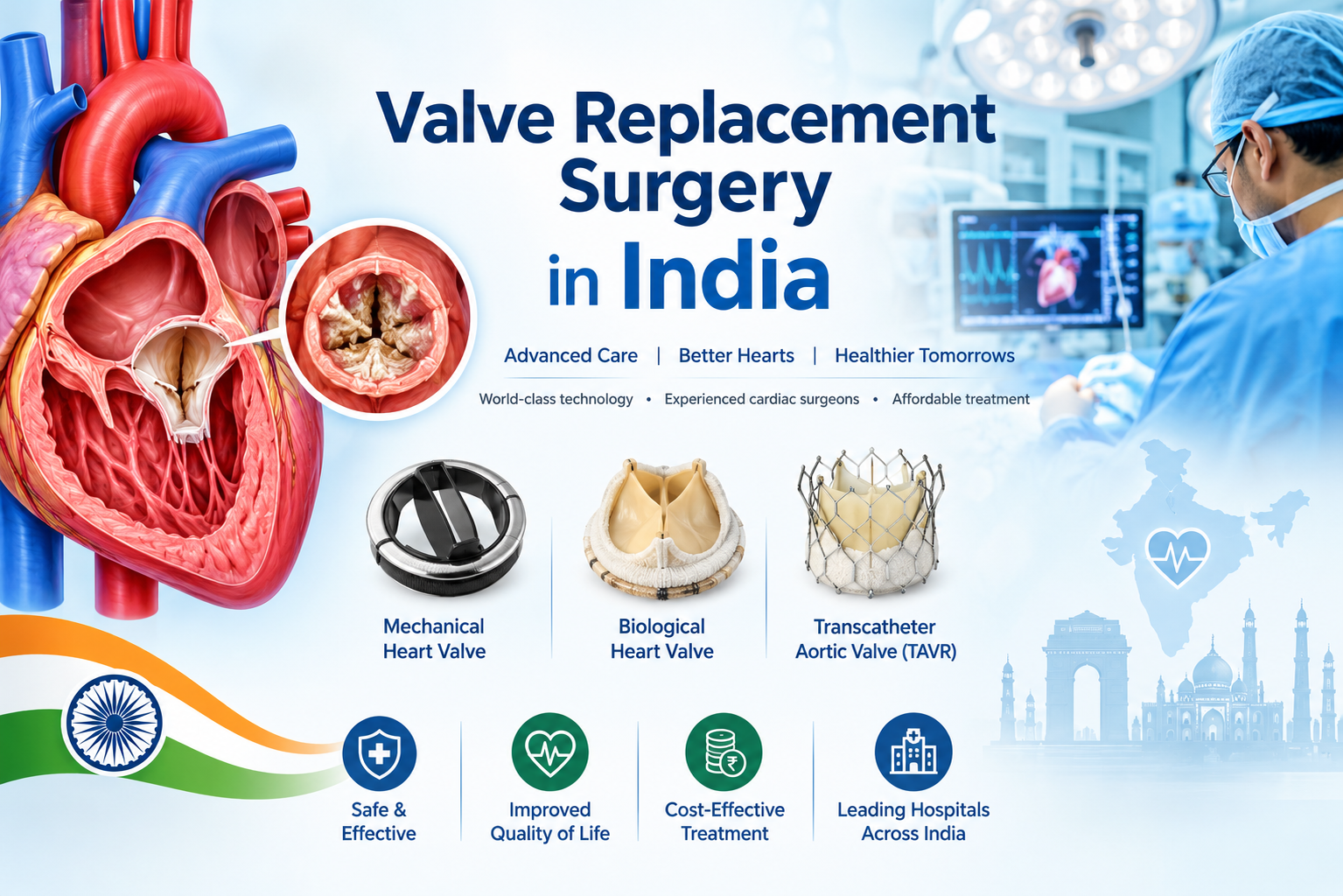
Valve Replacement Surgery in India: Cost, Best Hospitals, Surgeons, Types, Procedure and Recovery
Comprehensive patient guide for Peace Medical Tourism | Updated for 2026
Introduction


Valve replacement surgery in India is an important treatment option for patients with severe heart valve disease. India has multispecialty hospitals, cardiac surgery departments, interventional cardiology teams, intensive care facilities, and specialists who treat patients from India and other countries.
The heart contains four valves that regulate the movement of blood through its chambers and into the major blood vessels. When a valve becomes severely narrowed, fails to close properly, or is damaged by infection or another condition, the heart may have to work harder to pump blood. Over time, serious valve disease can cause breathlessness, chest pain, fainting, abnormal heart rhythms, fluid retention, or heart failure.
Depending on the patient's condition, treatment may involve medicines, valve repair, conventional valve replacement surgery, minimally invasive surgery, or a catheter-based procedure such as transcatheter aortic valve replacement (TAVR), also called transcatheter aortic valve implantation (TAVI). The appropriate option depends on the affected valve, the severity of the disease, the patient's age and general health, and the assessment of the cardiac team.
Peace Medical Tourism can help international patients explore treatment options in India, arrange medical record reviews, compare hospital estimates, and coordinate consultations and travel-related arrangements.
This guide explains the different types of heart valve disease, when replacement may be necessary, available procedures, estimated costs, hospital selection, preparation, risks, recovery, and long-term follow-up.
Medical disclaimer: This article is for educational purposes and is not a substitute for consultation with a qualified cardiologist or cardiac surgeon. Treatment decisions and quotations must be based on the patient's medical records and an individual assessment.
1. What Is Heart Valve Replacement Surgery?
Heart valve replacement surgery is a procedure in which a severely diseased heart valve is replaced with an artificial mechanical valve or a tissue valve. The objective is to restore more effective blood flow through the heart and reduce the strain caused by the damaged valve.
The heart's valves open to allow blood to move forward and close to prevent it from flowing backward. If a valve becomes too narrow or cannot close properly, blood circulation may be affected.
Valve replacement may be recommended when the valve is severely damaged and valve repair is not suitable or is unlikely to provide a durable result. In selected patients, the damaged valve can instead be treated using a catheter-based procedure without conventional open-heart surgery,
Main objectives of valve replacement
- Improve blood flow through the heart.
- Reduce symptoms such as breathlessness, fatigue, and chest discomfort when these symptoms are caused by valve disease.
- Reduce the strain on the heart.
- Help prevent or limit complications associated with severe valve disease.
- Improve daily functioning and quality of life.
- Support longer-term heart health when the procedure is appropriate.
The benefits vary by patient. Valve replacement does not guarantee a cure for every underlying heart condition, and ongoing medication and monitoring may still be required.
2. Understanding the Four Heart Valves

The heart has four main valves. Each performs a different function, and the type of valve disease determines which treatment may be needed.
2.1 Aortic valve
The aortic valve is located between the left ventricle and the aorta, the major artery that carries oxygen-rich blood to the body.
Two common problems are:
- Aortic stenosis: The valve becomes narrowed and restricts blood flow out of the heart.
- Aortic regurgitation: The valve does not close properly, allowing blood to flow backward into the left ventricle.
Severe aortic stenosis may require surgical aortic valve replacement or TAVR/TAVI, depending on the patient's anatomy, age, health, and procedural risk.
2.2 Mitral valve
The mitral valve lies between the left atrium and left ventricle. It helps control blood flow into the left ventricle.
Mitral valve problems include:
- Mitral stenosis, in which the valve opening becomes narrowed.
- Mitral regurgitation, in which blood leaks backward through the valve.
- Mitral valve prolapse, in which the valve leaflets bulge backward and may leak.
Many patients with mitral regurgitation can be considered for valve repair. Replacement may be necessary when the valve is extensively damaged or repair is unlikely to be successful.
2.3 Tricuspid valve
The tricuspid valve is located between the right atrium and right ventricle.
Tricuspid regurgitation allows blood to flow backward into the right atrium. Severe disease can contribute to swelling in the legs or abdomen, liver congestion, and other signs of right-sided heart failure.
Treatment depends on the cause and severity. Repair is often considered when feasible, while replacement or catheter-based treatment may be appropriate for selected patients.
2.4 Pulmonary valve
The pulmonary valve sits between the right ventricle and the pulmonary artery, which carries blood to the lungs.
Pulmonary valve disease may occur in people with congenital heart conditions, previous heart surgery, or other acquired problems. Treatment may involve surgical or catheter-based valve replacement, depending on the anatomy and clinical circumstances.
3. What Are the Different Types of Heart Valve Disease?
Valve disease is commonly described according to whether the valve is narrowed, leaking, or affected by a combination of problems.
3.1 Valve stenosis
Stenosis means that a valve opening has become narrower than normal. The heart must generate more pressure to push blood through the restricted opening.
Causes can include age-related calcium deposits, congenital abnormalities, and rheumatic heart disease.
3.2 Valve regurgitation
Regurgitation means that a valve does not close completely, allowing some blood to flow backward. The heart may need to pump additional blood to maintain circulation.
Depending on the valve and severity, this can cause enlargement of the heart chambers, reduced pumping efficiency, and symptoms of heart failure.
3.3 Mixed valve disease
Some patients have both narrowing and leakage in the same valve. Others have disease affecting two or more valves.
These cases may require a more complex treatment plan, including double valve replacement or a combination of valve repair, replacement, and coronary bypass surgery.
3.4 Infective endocarditis
Infective endocarditis is an infection involving the inner lining of the heart or a heart valve. It can damage valve tissue and sometimes cause severe leakage, abscesses, or other complications.
Some patients require urgent surgery, depending on the infection, valve damage, heart function, and response to antibiotics.
3.5 Rheumatic heart disease
Rheumatic heart disease can develop after rheumatic fever and may cause long-term damage to heart valves. It remains an important cause of valve disease in parts of the world, including regions where access to early diagnosis and treatment is limited.
Patients with advanced rheumatic valve disease may need valve repair, replacement, or another intervention.
4. What Are the Symptoms of Heart Valve Disease?
Some patients have no obvious symptoms in the early stages. Symptoms may develop gradually as the disease progresses.
Common symptoms include:
- Shortness of breath during activity or while lying down.
- Fatigue and reduced exercise tolerance.
- Chest pain, pressure, or discomfort.
- Dizziness or fainting.
- Palpitations or an irregular heartbeat.
- Swelling in the ankles, feet, or legs.
- Abdominal swelling caused by fluid retention.
- Unexplained reduction in physical stamina.
- Persistent cough or difficulty breathing at night.
The symptoms depend on which valve is affected and how severely it is damaged. Similar symptoms can also occur with other heart and lung conditions, so medical evaluation is essential.
Seek emergency medical care for severe or sudden breathlessness, fainting, persistent chest pain, or signs of a stroke. Do not delay emergency assessment while seeking an online consultation or travel arrangement.
5. What Causes Heart Valve Problems?
Heart valve disease can develop for several reasons. Identifying the cause helps the medical team plan treatment and assess whether other heart structures are affected.
5.1 Age-related degeneration
Over time, valve tissue may become thickened, stiff, or calcified. This is a common cause of aortic stenosis in older adults.
5.2 Congenital heart defects
Some people are born with an abnormal valve structure. For example, a bicuspid aortic valve has two leaflets rather than the usual three and may develop stenosis or leakage earlier in life.
5.3 Rheumatic fever
Rheumatic fever can damage the valve leaflets and cause narrowing or leakage, sometimes years after the original illness.
5.4 Heart infections
Infective endocarditis can destroy or weaken valve tissue and may cause severe regurgitation or other dangerous complications.
5.5 Previous heart surgery or procedures
A previously repaired or replaced valve may develop problems over time. Some tissue valves deteriorate, and some patients need a repeat procedure.
5.6 Other medical conditions
Certain connective tissue disorders, cardiomyopathies, aortic disease, and other medical conditions can affect valve function.
Not all valve disease can be prevented. However, prompt treatment of infections, management of cardiovascular risk factors, and regular medical follow-up can help protect overall heart health.
6. When Is Valve Replacement Surgery Necessary?
Valve replacement is not required for every patient with valve disease. Mild or moderate disease may be monitored through regular examinations and echocardiograms. Medicines can help manage symptoms or related conditions, but they generally cannot correct a severely narrowed or structurally damaged valve.
Replacement or another valve intervention may be recommended when:
- The valve is severely narrowed or leaking.
- Symptoms are affecting everyday activities.
- The heart's pumping function is deteriorating.
- The heart chambers are enlarging because of valve disease.
- The condition is causing or contributing to heart failure.
- The valve has been severely damaged by infection.
- The risk of waiting is greater than the expected risk of intervention.
Some patients need treatment even before symptoms become severe, based on echocardiogram findings, heart function, valve measurements, and other clinical factors. Decisions should follow specialist assessment and current clinical guidelines.
Valve repair versus valve replacement
|
Feature |
Valve repair |
Valve replacement |
|---|---|---|
|
Main approach |
Corrects the existing valve |
Replaces or excludes the diseased valve |
|
Preserves the natural valve |
Usually yes |
No, in conventional replacement |
|
Suitability |
Depends on valve anatomy and disease |
Used when repair is unsuitable or less durable |
|
Long-term care |
Regular monitoring required |
Regular monitoring required; medication depends on valve type |
|
Possible future procedures |
Depends on repair durability |
Depends on prosthesis durability and patient factors |
When a durable repair is possible, it may be preferred for certain conditions, especially some mitral valve problems. However, replacement can be the better option when damage is extensive or repair is unlikely to work well.
7. Types of Valve Replacement Procedures Available in India
India's cardiac centres may offer several approaches. Not every approach is appropriate for every valve or every patient.
7.1 Conventional open-heart valve replacement
Conventional surgery generally involves an incision in the chest to access the heart. The patient receives general anaesthesia, and a heart-lung machine is commonly used to maintain circulation while the surgeon operates on the valve.
The surgeon removes or prepares the diseased valve and secures the replacement valve in place. The team then checks the function of the new valve before completing the operation.
This approach is widely used for aortic, mitral, tricuspid, pulmonary, and multiple-valve procedures when indicated.
7.2 Minimally invasive valve surgery
Minimally invasive valve surgery uses smaller incisions than conventional sternotomy. The exact approach depends on the valve, anatomy, surgeon's experience, and available facilities.
Potential advantages for selected patients include less surgical trauma and a shorter recovery. However, it is not suitable for every patient and does not eliminate the risks associated with heart surgery.
7.3 Transcatheter aortic valve replacement (TAVR/TAVI)
TAVR/TAVI is a catheter-based method used mainly to treat selected patients with aortic stenosis. A replacement valve is delivered through a blood vessel, commonly through an artery in the groin, and positioned inside the diseased aortic valve.
Unlike conventional surgery, the original valve is not usually removed. The new valve is deployed inside it.
TAVR/TAVI can be appropriate for some patients who are older or have elevated surgical risk, but suitability now depends on a broader assessment of anatomy, expected outcomes, age, lifetime valve management, and patient preferences. The heart team should compare it with surgical replacement rather than assuming it is always the safer or better choice.
7.4 Transcatheter mitral and tricuspid procedures
Selected patients may be eligible for catheter-based treatment of mitral or tricuspid valve disease. Depending on the anatomy, these procedures may repair the valve or, in certain circumstances, replace it.
Availability and suitability vary by hospital and the specific device used. A specialist structural heart team must review the patient's imaging and clinical condition.
7.5 Double valve replacement
Double valve replacement means replacing two heart valves during one surgical operation. It may be necessary when two valves have advanced disease that requires replacement.
The operation is generally more complex than single valve replacement. The patient's overall health, heart function, other medical conditions, and anticipated recovery all influence the plan.
7.6 Redo valve replacement
A redo procedure is performed when a previously repaired or replaced valve develops a serious problem that requires another intervention.
Reasons can include tissue valve deterioration, infection, valve obstruction, leakage around a prosthetic valve, or other complications. The heart team may consider repeat surgery or a catheter-based procedure, depending on the valve and the patient's condition.
8. Mechanical Valve vs Biological Valve Replacement
One of the most important decisions in valve replacement surgery is choosing between a mechanical valve and a biological (tissue) valve.
The choice affects medication requirements, durability, future procedures, lifestyle, and long-term monitoring. There is no single valve type that is best for every patient.

Mechanical heart valve
Made from durable manufactured materials.

Biological heart valve
Made using treated animal or human tissue.
8.1 Mechanical heart valve
A mechanical valve is made from durable materials designed to withstand repeated opening and closing over many years.
Advantages
- Usually has excellent long-term durability.
- May be appropriate for younger patients who want to reduce the likelihood of tissue valve deterioration.
- Often reduces the likelihood of needing another valve replacement because of ordinary wear, although other complications can still occur.
Disadvantages
- Usually requires lifelong anticoagulation with a vitamin K antagonist, commonly warfarin.
- Requires regular blood tests to monitor the INR (international normalized ratio).
- Anticoagulation increases the risk of bleeding.
- Medication management needs special attention during pregnancy planning, dental procedures, other operations, and certain illnesses.
A mechanical valve may be considered for patients who can safely manage anticoagulation and who would benefit from its durability. The decision must take into account bleeding risks, lifestyle, age, and personal circumstances.
8.2 Biological or tissue heart valve
A biological valve is made from treated tissue, commonly derived from a cow or pig. Some biological valves use human donor tissue.
Advantages
- Many patients do not need lifelong anticoagulation solely because of the tissue valve, although other medical reasons may require anticoagulants.
- May be suitable for people in whom long-term anticoagulation is undesirable or particularly difficult.
- Can be an appropriate option for many older adults and other selected patients.
Disadvantages
- Tissue valves can deteriorate over time.
- A future intervention may be necessary if the valve develops significant stenosis or leakage.
- Durability varies with age, valve type, position, and individual factors.
- Some patients still require anticoagulation or antiplatelet treatment for other reasons.
Tissue valves often last around 15–20 years, but this is not a guarantee; some last for a shorter or longer period.
8.3 Mechanical vs biological valve comparison
|
Feature |
Mechanical valve |
Biological valve |
|---|---|---|
|
Material |
Manufactured materials |
Animal or human tissue |
|
Durability |
Generally longer-lasting |
Can deteriorate over time |
|
Lifelong anticoagulation |
Usually required |
Not usually required solely because of the valve |
|
INR monitoring |
Required for warfarin treatment |
Depends on the patient's medication plan |
|
Future intervention |
May be less likely due to valve wear |
May be needed if the valve deteriorates |
|
Best choice |
Depends on clinical factors and patient preferences |
Depends on clinical factors and patient preferences |
8.4 Which valve is better for younger patients?
Mechanical valves may be considered more often in younger patients because of their durability. However, age alone should not determine the choice. The need for anticoagulation, plans for pregnancy, bleeding risks, ability to attend INR monitoring, and the likelihood of future procedures must all be discussed.
8.5 Which valve is better for older patients?
A biological valve may be suitable for many older patients because tissue valve durability may be sufficient for their circumstances and lifelong valve-related anticoagulation may be avoided. Nevertheless, mechanical valves can still be appropriate in selected older patients.
8.6 Can a patient with a mechanical valve live a normal life?
Many people with mechanical valves return to work, travel, exercise, and other daily activities after recovery. They must, however, follow their anticoagulation plan, attend regular medical reviews, and take precautions to prevent bleeding and complications.
8.7 Can a biological valve be replaced in the future without open-heart surgery?
Some patients with a deteriorated surgical biological valve may be candidates for a valve-in-valve catheter procedure. Suitability depends on the existing valve, the size and position of the prosthesis, blood vessel anatomy, coronary artery anatomy, and other factors. It is not an option for every patient.
9. Valve Replacement Surgery Cost in India
The cost of valve replacement surgery in India depends on the type of valve, procedure, hospital, surgeon's fees, ICU stay, room category, and the patient's medical condition.
Conventional valve replacement and TAVR/TAVI have different cost structures. A catheter-based procedure may have a higher device cost, while complex open-heart surgery may require longer hospitalization and intensive care.
An Indian hospital's published estimate provides a starting point, not a guaranteed price. For example, Apollo Hospitals publishes an indicative TAVR price range of ₹21 lakh to ₹35 lakh. Other hospitals may quote different amounts depending on the device, hospital package, and patient requirements.
9.1 Indicative cost guide
The following ranges are preliminary budgeting estimates, not verified quotations from individual hospitals. They should be confirmed directly with the treating hospital before publication or use in a patient proposal.
|
Procedure |
Indicative planning range |
|---|---|
|
Single-valve replacement through open-heart surgery |
₹3–10 lakh |
|
Double valve replacement |
₹7–14 lakh |
|
TAVR/TAVI |
₹15–35 lakh |
|
Redo valve surgery |
Requires an individual estimate |
|
Complex valve surgery with additional procedures |
Requires an individual estimate |
These ranges can overlap and vary considerably. Government hospitals, charitable institutions, and private hospitals may have different prices, eligibility criteria, waiting times, and inclusions. The final quote may be higher if the patient needs emergency treatment, additional cardiac surgery, prolonged ventilation, dialysis, or management of complications.
9.2 What is usually included in a valve surgery package?
Depending on the hospital, the package may include:
- Cardiac surgeon's fees.
- Anaesthesiologist's fees.
- Standard prosthetic valve cost.
- Operating theatre charges.
- Routine preoperative investigations.
- Hospital room charges.
- ICU stay within the agreed limit.
- Standard medicines and consumables.
- Routine postoperative care.
- Initial follow-up consultation.
Always ask for the inclusions in writing. A package may limit the number of ICU days, room category, or cost of certain medicines and devices.
9.3 What may be charged separately?
Additional costs may include:
- Specialist consultations before admission.
- Advanced imaging and investigations.
- Additional ICU days.
- Blood products and special medicines.
- Treatment of complications.
- Extra procedures, such as coronary artery bypass grafting (CABG).
- Extended hospitalization.
- Rehabilitation and follow-up investigations.
- Travel, accommodation, meals, and local transportation for international patients.
9.4 Mechanical valve replacement cost
The overall cost depends on the selected prosthesis, surgical approach, hospital package, and duration of admission. The mechanical valve's purchase price is only one part of the total bill.
Patients should also consider long-term expenses associated with warfarin, INR testing, medical consultations, and other prescribed medicines.
9.5 Biological valve replacement cost
Biological valves may have a different purchase price from mechanical valves. The total operation cost depends on the specific prosthesis and the rest of the treatment plan.
A tissue valve may also involve future costs if it deteriorates and another intervention becomes necessary. This possibility should be discussed during treatment planning.
9.6 TAVR/TAVI cost in India
TAVR/TAVI involves a specialized transcatheter valve and a team with structural heart expertise. The cost can therefore be higher than that of conventional valve surgery.
The quote may depend on:
- The transcatheter valve system.
- Vascular access and closure devices.
- CT planning and other investigations.
- The cardiac team's fees.
- ICU or monitored-bed requirements.
- Whether complications or additional procedures occur.
Not every patient with aortic stenosis needs TAVR/TAVI. The heart team should compare the likely outcomes, risks, durability, and total costs of available treatments.
9.7 Double valve replacement cost
Double valve replacement is generally more complex than single valve surgery. The total price may reflect longer operating time, additional prosthetic valves, more intensive postoperative monitoring, and a potentially longer recovery.
If coronary artery bypass surgery or a procedure on the aorta is also required, the estimate may increase further.
9.8 How can international patients obtain a reliable cost estimate?
International patients should submit their available medical reports for specialist review before travelling.
Useful documents include:
- Recent echocardiogram report.
- ECG and relevant cardiac investigations.
- Coronary angiography or CT angiography reports, if performed.
- Recent blood tests.
- List of current medicines.
- Previous heart surgery records.
- Passport details for hospital registration, where requested.
The hospital should then provide an estimate based on the patient's likely treatment plan. Patients should ask whether the quotation includes the valve device, ICU stay, medicines, follow-up visits, and the management of possible complications.
Peace Medical Tourism can assist with collecting records, requesting hospital opinions, comparing quotations, and coordinating arrangements for eligible international patients.
10. Factors That Affect Valve Replacement Surgery Cost
10.1 Type of procedure
Conventional open-heart surgery, minimally invasive surgery, and TAVR/TAVI use different equipment and clinical resources. This is one of the main reasons for price differences.
10.2 Type of valve
Mechanical and biological surgical valves have different device costs. Transcatheter valves use specialized delivery systems and have a different cost structure.
10.3 Number of valves
Replacing two valves generally requires more extensive surgery than replacing one valve.
10.4 Hospital and city
Hospital pricing varies by location, facilities, room category, and clinical resources. Major metropolitan centres may have different charges from smaller cities.
10.5 Patient's medical condition
Patients with kidney disease, diabetes, lung disease, heart failure, previous cardiac surgery, or other complex conditions may need additional tests and monitoring.
10.6 Duration of hospitalization
A longer ICU or hospital stay increases the total cost. Complications may require additional medicines, investigations, procedures, or rehabilitation.
10.7 Additional cardiac procedures
A patient may need valve replacement along with CABG, aortic surgery, or another procedure. These combined operations require a separate estimate.
10.8 Follow-up and long-term medication
The cost of treatment does not end with hospital discharge. Patients should budget for medicines, INR monitoring when required, follow-up echocardiograms, consultations, and cardiac rehabilitation.
11. Best Hospitals for Valve Replacement Surgery in India
India has cardiac centres in several major cities that provide valve surgery and related cardiac services. Hospital selection should be based on the specific valve condition, the experience of the relevant surgical team, the availability of catheter-based alternatives, intensive care facilities, and the hospital's outcomes and follow-up services.
The following hospitals are examples for patients to investigate. This is not a clinical ranking or a guarantee of treatment suitability.
1. Fortis Escorts Heart Institute
Located in Okhla, New Delhi, this specialist cardiac centre provides cardiac surgery and related heart services. Patients can ask about aortic and mitral valve procedures, minimally invasive options, and the experience of the team with complex or repeat operations.
Location: New Delhi

2. Indraprastha Apollo Hospitals
Apollo's Delhi centre offers cardiac surgery in India and interventional cardiac services, including valve replacement and TAVR/TAVI pathways. Patients should confirm which options are suitable for their diagnosis and request a written estimate.
Location: Jasola Vihar, New Delhi

3. Medanta – The Medicity
This multispecialty hospital has cardiac services. Patients considering valve surgery can ask for an assessment by the cardiac surgery team and, when appropriate, the structural heart team.
Location: Gurugram, Delhi NCR

4. Max Super Speciality Hospital, Saket
Patients can inquire about surgical valve replacement, minimally invasive approaches, cardiac imaging, and catheter-based treatment options where available.
Location: Saket, New Delhi

5. BLK-Max Super Speciality Hospital
Its cardiac services include surgery for valve disease. Patients should ask whether the relevant team regularly manages their particular valve condition and whether repair or replacement is recommended.
Location: Pusa Road, New Delhi

6. Artemis Hospital
Patients can contact its cardiac services to enquire about valve replacement assessment, treatment planning, and services for patients travelling from abroad.
Location: Gurugram, Delhi NCR

7. Sir Ganga Ram Hospital
This hospital has cardiac surgery services. Patients should request a specialist review and compare the proposed procedure, expected admission, and itemized cost with other suitable centres.
Location: Rajinder Nagar, New Delhi

8. MGM Healthcare
MGM Healthcare is among the centres to consider when comparing cardiac surgery options in southern India. Confirm the availability of the required procedure and obtain a case-specific quotation.
Location: Chennai
Hospital service listings and procedure availability should be confirmed directly before a patient makes a decision. The right hospital is one that can safely provide the required treatment and appropriate follow-up for the individual case.
12. How to Choose the Best Hospital for Valve Replacement Surgery
The term “best hospital” should mean a centre that can safely manage the patient's specific condition, rather than simply the most famous or expensive hospital.
Before choosing a hospital in India, consider the following factors.
12.1 Experience with the specific valve procedure
Ask how frequently the cardiac team performs the procedure being considered. Experience with aortic valve replacement does not automatically mean the same team has equal experience with every complex mitral, tricuspid, pulmonary, or redo operation.
12.2 Availability of a multidisciplinary heart team
Complex valve treatment may involve:
- Cardiothoracic and vascular surgeons.
- Interventional cardiologists.
- Cardiac imaging specialists.
- Cardiac anaesthesiologists.
- Intensive care specialists.
- Cardiac rehabilitation professionals.
- Anticoagulation and nursing teams.
A multidisciplinary approach helps compare surgical and catheter-based treatment options.
12.3 ICU and emergency support
Ask about the availability of cardiac intensive care, emergency reoperation facilities, blood bank support, respiratory support, and kidney care if complications occur.
12.4 Diagnostic facilities
A suitable centre should have access to the investigations needed for the patient's condition, which may include echocardiography, transoesophageal echocardiography, CT imaging, cardiac catheterization, and laboratory testing.
12.5 Published outcomes and transparency
Ask whether the hospital can explain its outcomes for comparable procedures, including mortality, complications, readmissions, and the need for a pacemaker where relevant.
Be cautious about claims of a guaranteed success rate or zero risk. Outcomes differ by patient risk, disease complexity, and the procedure performed.
12.6 Cost transparency
Request a written estimate with the valve type, procedure, room category, ICU allowance, medicines, and follow-up arrangements clearly described.
12.7 Support for international patients
For patients travelling from abroad, assess whether the hospital can help with medical record review, visa documentation where applicable, airport transfer arrangements, interpreters, accommodation, and discharge planning.
13. Best Doctors for Valve Replacement Surgery in India
Valve replacement should be planned by a suitably qualified cardiac surgeon or a multidisciplinary heart team, depending on the procedure. The relevant specialist may be a best cardiothoracic and vascular surgeon in India, an interventional cardiologist, or both.
The following are examples of specialists whose cardiac practices patients may investigate. Their inclusion is not a clinical ranking or a guarantee that a particular doctor is suitable for every patient.

1. Dr. Z. S. Meharwal
Associated with Fortis Escorts Heart Institute in New Delhi, Dr. Meharwal is a senior cardiac surgeon. Patients can enquire about his team's experience with adult cardiac surgery and complex valve conditions.

2. Dr. Bhaba Nanda Das
Associated with Indraprastha Apollo Hospitals, New Delhi, Dr. Das is a cardiothoracic and vascular surgeon. Ask about his experience with the specific valve and procedure relevant to the patient.

3. Dr. Ganesh Shivnani
Associated with Sir Ganga Ram Hospital in New Delhi, Dr. Shivnani is a cardiac surgeon. Patients should confirm his current role, availability, and experience with the proposed operation directly with the hospital.

4. Dr. Vaibhav Mishra
Associated with Max Hospital in Delhi, Dr. Mishra's listed clinical interests include adult cardiac surgery and valve procedures. Confirm the relevant hospital campus and treatment availability.

5. Dr. Ritwick Raj Bhuyan
Associated with Fortis Escorts Heart Institute, Dr. Bhuyan has a cardiac surgery practice that includes valve procedures. Ask whether his team offers the particular surgical approach recommended for the patient's case.
Questions to ask a valve replacement surgeon
- What is your experience with this particular valve operation?
- Can my valve be repaired instead of replaced?
- What are the surgical and catheter-based options in my case?
- Which valve type do you recommend, and why?
- What are my individual risks of death, stroke, bleeding, infection, or kidney injury?
- How long is the expected hospital stay?
- What are the expected recovery milestones?
- What follow-up and medication will I need?
- Who will manage complications and aftercare if I live outside India?
- Can I receive the treatment plan and cost estimate in writing?
14. What Tests Are Required Before Valve Replacement Surgery?
Preoperative assessment helps the medical team confirm the diagnosis, understand the severity of the disease, and determine the safest treatment approach.
The tests required vary by patient. Not everyone needs every investigation listed below.
14.1 Echocardiogram
An echocardiogram uses ultrasound to assess the heart's structure and function. It can help determine which valve is affected, how severely it is narrowed or leaking, and how well the heart is pumping.
14.2 Transoesophageal echocardiography (TEE)
TEE provides detailed images of the heart using an ultrasound probe passed into the oesophagus. It may be recommended when more detailed valve images are required.
14.3 Electrocardiogram (ECG)
An ECG records the heart's electrical activity. It can help identify abnormal rhythms and other electrical changes.
14.4 Chest X-ray
A chest X-ray may help assess the size of the heart and look for fluid in the lungs or other chest abnormalities.
14.5 Blood tests
Blood investigations may include a complete blood count, kidney function, electrolytes, liver function, clotting tests, and blood group testing.
14.6 Coronary angiography or CT coronary assessment
Some patients need evaluation for coronary artery disease before valve surgery. The medical team selects the appropriate test based on age, risk factors, symptoms, and the planned procedure.
14.7 CT scan for TAVR/TAVI planning
CT imaging is often important for assessing aortic valve anatomy, the aortic root, coronary artery positions, and blood vessels used to deliver the catheter-based valve.
14.8 Dental assessment
Dental health matters because infections in the mouth can be a source of bacteria that may cause infective endocarditis. A dentist may need to treat certain problems before elective valve surgery, based on the medical team's advice.
14.9 Additional specialist assessments
Patients with diabetes, kidney disease, lung disease, previous stroke, or other medical conditions may need additional investigations or specialist opinions.
15. How to Prepare for Valve Replacement Surgery
Preparation begins after the cardiac team has selected a treatment plan and confirmed the timing of the procedure.
15.1 Discuss all medicines
Provide the team with a complete list of prescription medicines, non-prescription medicines, vitamins, and supplements.
Do not stop aspirin, anticoagulants, diabetes medicines, or other prescribed treatments without explicit instructions from the treating team.
15.2 Manage existing medical conditions
Good management of diabetes, blood pressure, lung disease, kidney disease, and other conditions may help reduce procedural risk.
15.3 Follow fasting instructions
The hospital will explain when to stop eating and drinking before the procedure. Follow the exact instructions given by the anaesthesia team.
15.4 Avoid smoking
Smoking can interfere with recovery and cardiovascular health. Ask your doctor for help stopping smoking before and after surgery.
15.5 Arrange support after discharge
Plan for a family member or caregiver to help with transport, meals, medication schedules, and follow-up appointments during the initial recovery period.
15.6 Prepare medical documents
Bring previous echocardiograms, angiography reports, discharge summaries, medicine lists, and other relevant records. International patients should also keep copies of their passport and hospital correspondence.
15.7 Discuss fertility and pregnancy plans when relevant
Patients who may become pregnant should discuss the choice of valve, anticoagulation, and pregnancy-related risks with their cardiologist and relevant specialists before treatment whenever possible.
16. Step-by-Step Procedure for Open-Heart Valve Replacement
The exact procedure depends on the affected valve, the selected prosthesis, and whether additional operations are needed.
Step 1: Admission and final assessment
The team checks the patient's identity, diagnosis, consent, medical history, test results, and medicine plan. The surgeon and anaesthesiologist discuss the operation and its risks.
Step 2: Anaesthesia
General anaesthesia is used for conventional open-heart valve replacement. The patient is asleep and receives monitoring and support for breathing and circulation.
Step 3: Surgical access
The surgeon reaches the heart through an incision in the chest. Depending on the procedure, this may involve a sternotomy or a selected minimally invasive approach.
Step 4: Cardiopulmonary bypass
For many conventional valve operations, a heart-lung machine temporarily maintains circulation and oxygenation while the surgeon works on the heart.
Step 5: Access to the diseased valve
The surgeon exposes the affected valve and assesses the damage. The diseased valve is prepared for replacement.
Step 6: Implantation of the new valve
The surgeon positions and secures the selected mechanical or biological prosthesis. The technique depends on the valve's anatomy and the device used.
Step 7: Assessment of valve function
The team evaluates the new valve's function, checks for significant leakage or obstruction, and assesses the heart's performance.
Step 8: Completion of surgery
The surgical team completes the operation, restores normal circulation as appropriate, and closes the incisions. The patient is transferred to intensive care for close monitoring.
Step 9: ICU monitoring
The team monitors breathing, heart rhythm, blood pressure, bleeding, kidney function, and the performance of the new valve.
Step 10: Transfer to a hospital room
Once the patient is stable enough, they may move from intensive care to a regular ward for continued recovery and rehabilitation.
17. How Long Does Valve Replacement Surgery Take?
The duration depends on the valve involved, the surgical approach, and whether other procedures are performed.
A single-valve operation may take several hours, while double valve replacement, redo surgery, or combined valve and coronary bypass surgery may take longer.
The time spent in the operating theatre also includes anaesthesia, preparation, monitoring, and safe transfer after surgery. Ask the surgeon for an estimate based on the planned operation rather than relying on a general average.
18. What Happens Immediately After Valve Replacement Surgery?
After surgery, the patient is taken to a cardiac intensive care unit or another appropriate monitored setting.
The care team checks:
- Blood pressure and circulation.
- Heart rate and rhythm.
- Oxygen levels and breathing.
- Bleeding and surgical wounds.
- Kidney function and urine output.
- Fluid balance.
- Pain and comfort.
- The function of the new valve.
Some patients initially need a breathing tube, which is removed when their condition allows. Drainage tubes and other temporary devices may be used and removed as recovery progresses.
Patients are usually encouraged to begin appropriate movement, breathing exercises, and gradual activity as directed by the care team.
19. How Long Is the Hospital Stay After Valve Replacement?
The length of stay depends on the procedure and the patient's progress.
After conventional open-heart valve surgery, hospital admission often lasts about a week, though some patients need more time. Selected patients undergoing TAVR/TAVI may be discharged sooner, sometimes after a few days, if recovery is uncomplicated.
Factors that may extend the stay include:
- Irregular heart rhythms.
- Bleeding or infection.
- Kidney or lung complications.
- Difficulty regaining mobility.
- Need for a pacemaker.
- Additional surgery.
- Poorly controlled pre-existing medical conditions.
For international patients, hospital discharge does not necessarily mean it is safe to fly home immediately. The treating team must assess recovery, medication stability, wound healing, travel duration, and the availability of follow-up care.
20. Recovery After Valve Replacement Surgery
Recovery is gradual. Patients often notice improvement in symptoms as their heart function and physical stamina recover, but tiredness and discomfort can continue for weeks.
The American Heart Association describes a typical recovery period of approximately four to eight weeks for many patients, while the NHS notes that full recovery after open or minimally invasive surgery may take around two to three months. Recovery after catheter-based treatment is often quicker, although individual outcomes vary.
20.1 First few days
Patients may experience fatigue, reduced appetite, pain around the incision, and disturbed sleep. The care team usually encourages safe movement and breathing exercises.
20.2 First two weeks
Patients gradually increase walking and daily activities. They must follow instructions about wound care, medicines, lifting, driving, and follow-up visits.
20.3 Weeks three to six
Many patients begin to regain stamina. The care team may gradually increase activity and recommend cardiac rehabilitation.
20.4 Six to twelve weeks
Some patients resume many normal activities during this period. Recovery may take longer after complex operations or when complications or other medical conditions are present.
20.5 Factors that affect recovery
Recovery may depend on:
- Age and baseline fitness.
- Heart function before surgery.
- Type and number of valves treated.
- Surgical approach.
- Presence of diabetes, kidney disease, or lung disease.
- Occurrence of complications.
- Medication adherence.
- Participation in prescribed rehabilitation.
21. Postoperative Care at Home
A safe recovery plan helps patients regain strength while reducing the risk of complications.
21.1 Wound care
Follow the hospital's instructions for keeping the incision clean and dry. Ask when showering is allowed and what signs of infection to watch for.
21.2 Activity and rest
Short walks and gradual increases in activity are often encouraged. Avoid heavy lifting and strenuous exercise until the surgeon gives clearance.
21.3 Medication adherence
Take prescribed medicines exactly as directed. Do not change doses or discontinue anticoagulants without medical advice.
21.4 Healthy eating
A balanced diet supports recovery. Patients with fluid restrictions, diabetes, kidney disease, or other conditions should follow their individualized dietary plan.
21.5 Sleep and emotional wellbeing
Sleep disturbance, anxiety, and low mood can occur after major heart surgery. Discuss persistent symptoms with the healthcare team.
21.6 Dental health
Maintain regular dental care and tell the dentist that you have a replaced heart valve. Some patients require antibiotic prophylaxis before specific dental procedures, depending on their medical history and current guidelines. Do not self-prescribe antibiotics.
21.7 Cardiac rehabilitation
Cardiac rehabilitation may include supervised exercise, education, nutritional guidance, and help with returning safely to daily life.
22. Risks and Complications of Valve Replacement Surgery
Valve replacement can substantially improve the outlook for appropriately selected patients, but it is a major procedure and carries risks.
Potential complications include bleeding, wound infection, abnormal heart rhythms, kidney problems, stroke, blood clots, and problems with the replacement valve. Some complications can be serious or life-threatening.
22.1 Bleeding
Bleeding may occur during or after surgery. Some patients require blood products or another intervention. Anticoagulation can increase bleeding risk.
22.2 Infection
Infections may involve the surgical wound, lungs, bloodstream, or the replacement valve. Good hygiene, appropriate treatment of infections, and follow-up are important.
22.3 Abnormal heart rhythms
Atrial fibrillation and other rhythm problems may develop after surgery. Some resolve as recovery progresses; others need medicines or a pacemaker.
22.4 Stroke
A stroke can occur if blood flow to part of the brain is interrupted. The risk depends on the patient and the procedure.
22.5 Kidney injury
Kidney function may worsen after surgery, especially in patients with pre-existing kidney disease or other risk factors.
22.6 Blood clots
Clots can form in some circumstances and may cause serious complications. Medication requirements depend on the type of valve and the patient's individual risk.
22.7 Prosthetic valve dysfunction
A replacement valve may develop obstruction, leakage, infection, or other problems. Regular monitoring helps detect complications.
22.8 Need for a pacemaker
Some valve procedures can affect the heart's electrical conduction system. A pacemaker may be needed if a significant rhythm or conduction problem persists.
22.9 Death
Although many patients undergo valve surgery successfully, death is a possible complication. Individual risk depends on the patient's condition, procedure complexity, urgency, and other factors.
The surgeon should explain the risks specific to the patient, rather than relying solely on broad population statistics.
23. What Is the Success Rate of Valve Replacement Surgery?
- Valve replacement outcomes depend on the valve involved, the severity of the disease, the patient's age and general health, heart function, and the procedure performed.
- Many patients experience improved symptoms and quality of life after successful treatment. However, there is no single success rate that accurately represents all types of valve replacement surgery.
- The treating hospital should explain outcomes for patients with a similar diagnosis and risk profile. It should also distinguish between technical success, survival, improvement in symptoms, freedom from complications, and long-term valve durability.
Factors that influence treatment outcomes
- Disease severity: Advanced valve disease may increase procedural risk.
- Heart function: The condition of the heart muscle can affect recovery.
- Other medical conditions: Diabetes, kidney disease, lung disease, and other illnesses may affect outcomes.
- Type of procedure: Surgical and transcatheter procedures have different risk profiles.
- Surgical complexity: Double valve replacement and redo operations may carry additional risks.
- Postoperative care: Medication adherence, rehabilitation, and follow-up contribute to long-term management.
Does valve replacement improve life expectancy?
For some patients with severe valve disease, timely intervention can improve symptoms and may improve survival. The extent of benefit depends on the underlying condition and the patient's overall health.
Surgery cannot reverse every type of heart damage, and it does not eliminate the need for long-term care.
24. How Long Does a Replacement Heart Valve Last?
The durability of a replacement valve depends on the type of prosthesis, its position in the heart, the patient's age, and other medical factors.
Mechanical valve durability
Mechanical valves are designed for long-term use and often last for many years or decades. They still require regular monitoring and usually lifelong anticoagulation.
Biological valve durability
Biological valves can deteriorate over time. Some last 15–20 years or longer, while others fail earlier. Younger patients may experience faster tissue valve deterioration than older patients.
What happens if a replacement valve stops working?
If a replacement valve develops significant narrowing, leakage, infection, or another problem, the patient may need additional treatment. Depending on the prosthesis and the cause of failure, options may include medication, another operation, or a catheter-based procedure.
Regular medical reviews and echocardiograms help the care team monitor valve function.
25. Life After Valve Replacement Surgery
Many patients return to everyday activities after recovery, although the pace depends on the procedure and individual health.
25.1 Returning to work
The timing depends on the patient's occupation, recovery, and the type of procedure. Desk-based work may be possible sooner than physically demanding work, but the treating team should provide clearance.
25.2 Driving
Patients should not resume driving until their surgeon confirms that it is safe and any applicable legal requirements have been met.
25.3 Exercise
Walking is often encouraged early in recovery. More demanding exercise should be introduced gradually and according to medical advice.
25.4 Travelling
Travel may be possible after recovery, but timing depends on the procedure, complications, and medication requirements. Patients should obtain clearance before long-distance or international travel.
25.5 Sexual activity
Patients can ask their healthcare team when it is safe to resume sexual activity. The advice depends on recovery, symptoms, and the level of physical exertion involved.
25.6 Pregnancy after valve replacement
Pregnancy requires careful planning, particularly for patients with mechanical valves who need anticoagulation. Anticoagulant choices during pregnancy involve complex maternal and fetal risks. Patients should consult a cardiologist and a high-risk pregnancy specialist before trying to conceive.
26. Medicines After Valve Replacement Surgery
Medication requirements vary according to the valve type, heart rhythm, other medical conditions, and the procedure performed.
26.1 Warfarin and anticoagulation
Patients with mechanical valves usually require lifelong warfarin to reduce the risk of valve-related blood clots.
The dose is adjusted according to INR testing and the target specified by the treating team. The target can differ depending on the valve and clinical circumstances.
26.2 Other blood-thinning medicines
Some patients may need antiplatelet medicines or other anticoagulants for additional medical reasons. These medicines are not interchangeable, and patients should not change their treatment without specialist advice.
26.3 Medicines for blood pressure and heart function
Depending on the patient's condition, the doctor may prescribe medicines for blood pressure, heart failure, rhythm control, cholesterol, or other cardiovascular problems.
26.4 Diuretics
Some patients with fluid retention may need diuretics. The dose depends on symptoms, kidney function, blood pressure, and the treatment plan.
26.5 Antibiotics
Antibiotics are used when indicated to treat bacterial infections. Certain patients with prosthetic heart valves also require antibiotic prophylaxis before specific dental procedures. The decision should follow current professional guidance.
27. Follow-Up After Valve Replacement Surgery
Follow-up is an essential part of treatment. It helps monitor the new valve, assess heart function, review medication, and detect complications.
The schedule depends on the type of valve and the patient's condition.
Follow-up may include:
- Review of symptoms and physical activity.
- Blood pressure and heart rate checks.
- Medication review.
- INR testing for patients taking warfarin.
- Echocardiography to assess valve function.
- ECG when needed.
- Blood tests for kidney function or other concerns.
- Evaluation of wound healing and rehabilitation progress.
Patients should retain copies of their operative notes, valve identification card, echocardiogram reports, medication list, and discharge summary. These documents are especially important for international patients returning to their home country.
28. Warning Signs After Valve Replacement
Patients should follow the hospital's instructions on when to seek medical attention.
Contact the treating team promptly for:
- Fever or chills.
- Increasing redness, swelling, or discharge from the incision.
- Worsening breathlessness.
- New or persistent palpitations.
- Increasing swelling of the legs.
- Unusual bleeding or bruising.
- Sudden weight gain associated with fluid retention.
- Persistent dizziness or unusual weakness.
Seek emergency care for severe chest pain, sudden severe breathlessness, fainting, signs of stroke, or uncontrolled bleeding.
Patients taking warfarin should follow their anticoagulation team's instructions if an INR result is outside the prescribed range or bleeding occurs.
29. Valve Replacement Surgery for International Patients in India
India is an option for some international patients seeking cardiac treatment. However, travelling for heart surgery requires careful planning, review of medical records, and confirmation that travel is safe.
29.1 Initial medical assessment
Patients should provide their echocardiogram, relevant scans, test results, medical history, and current medication list.
The hospital's cardiac team reviews the documents to assess whether more information is needed and which treatment options may be appropriate.
29.2 Choosing a hospital and surgeon
Patients should compare the proposed treatment, the team's experience with the specific procedure, facilities for intensive care, expected length of stay, and follow-up arrangements.
A second opinion may be helpful when a major operation is being considered or when different treatments have been proposed.
29.3 Medical visa documentation
Patients should confirm the current visa requirements with the relevant Indian authorities or embassy. Where permitted, the hospital may provide supporting documentation for a medical visa.
Visa approval is determined by the relevant authorities and should not be guaranteed by a facilitator.
29.4 Cost estimation
Obtain a written estimate that clearly identifies the procedure, valve device, expected admission, ICU allowance, medicines, and exclusions.
Patients should also budget for flights, accommodation, meals, local transport, a companion's expenses, and possible extensions to their stay.
29.5 Accommodation and local support
Patients may need accommodation near the hospital before admission or after discharge. The duration depends on the treatment plan, recovery, and the surgeon's assessment.
29.6 Discharge and return travel
A patient should not book a fixed return date without discussing the likely recovery period with the hospital. The treating team must confirm when travel is appropriate.
29.7 Continuity of care after returning home
Before departure, patients should obtain a discharge summary, valve details, medication instructions, anticoagulation targets where applicable, and a follow-up plan.
Patients taking warfarin should arrange access to INR testing and a clinician who can manage dose adjustments in their home country.
30. Why Consider Peace Medical Tourism for Valve Replacement in India?
Peace Medical Tourism, operated by Peace Health Care Pvt Ltd in New Delhi, assists international patients in exploring treatment options at Indian hospitals.
Support may include:
- Collecting medical reports for specialist review.
- Coordinating consultations with relevant cardiac teams.
- Requesting treatment plans and hospital estimates.
- Helping patients compare suitable hospitals.
- Assisting with appointment coordination.
- Providing guidance on hospital documentation for medical travel.
- Coordinating airport pickup and local arrangements when agreed.
- Helping patients understand the planned treatment and expected hospital stay.
- Supporting follow-up coordination with the treating team.
The treating hospital and its clinicians remain responsible for diagnosis, treatment recommendations, surgery, and clinical outcomes. Patients should confirm the services, fees, and arrangements provided by any medical tourism facilitator before making travel or payment decisions.
How to begin your treatment enquiry
Patients can prepare the following information:
- Patient's age and country of residence.
- Diagnosis and the affected heart valve.
- Latest echocardiogram and relevant cardiac reports.
- Previous heart operations, if any.
- Current medicines and major medical conditions.
- Any treatment recommendation already received.
- Preferred city or hospital, if applicable.
- This information helps the receiving hospital understand the case and determine whether further evaluation is required.
31. Frequently Asked Questions About Valve Replacement Surgery in India
Q1. What is valve replacement surgery?
Valve replacement surgery is a procedure in which a severely damaged heart valve is replaced with a mechanical or biological prosthesis to improve blood flow.
Q2. How much does valve replacement surgery cost in India?
The cost depends on the procedure, valve type, hospital, and patient's condition. Indicative private-sector estimates may range from several lakh rupees for conventional surgery to ₹15–35 lakh for TAVR/TAVI. A written hospital quotation is necessary for accurate budgeting.
Q3. Which is the best hospital for valve replacement surgery in India?
The best choice depends on the patient's diagnosis and treatment needs. Patients can compare cardiac centres such as Fortis Escorts Heart Institute, Indraprastha Apollo Hospitals, Medanta, Max Super Speciality Hospital, BLK-Max, Artemis, Sir Ganga Ram Hospital, and MGM Healthcare.
Q4. Who performs valve replacement surgery?
Conventional surgical valve replacement is performed by a qualified cardiothoracic and vascular surgeon. Catheter-based procedures such as TAVR/TAVI involve an appropriately trained structural heart team.
Q5. Which valve is better: mechanical or biological?
Neither is universally better. Mechanical valves are generally more durable but usually require lifelong warfarin. Biological valves may avoid lifelong valve-related anticoagulation for many patients but can deteriorate over time.
Q6. Is valve replacement an open-heart surgery?
Conventional surgical valve replacement usually involves open-heart surgery. Some patients may be eligible for minimally invasive surgery or catheter-based treatment, depending on the valve and diagnosis.
Q7. Is TAVR/TAVI better than open-heart surgery?
Not for every patient. TAVR/TAVI is an important option for selected patients with aortic stenosis, but surgical replacement may offer advantages in other circumstances. A heart team should compare the available approaches.
Q8. How long does valve replacement surgery take?
The procedure generally takes several hours, but duration varies according to the valve, surgical approach, and whether additional procedures are required.
Q9. How long does a patient stay in hospital?
Conventional valve surgery often requires about a week in hospital, while selected TAVR/TAVI patients may be discharged sooner. Complications or complex procedures can extend the stay.
Q10. How long does recovery take?
Many patients need several weeks to regain strength. Recovery after open-heart surgery can take around two to three months, while recovery after catheter-based procedures may be quicker.
Q11. What is the success rate of valve replacement surgery?
Outcomes depend on the patient's condition, procedure, and risk profile. Ask the hospital for outcome information relevant to the patient's specific diagnosis rather than relying on one general percentage.
Q12. Can patients live a normal life after valve replacement?
Many patients return to daily activities after recovery. Long-term medication, follow-up, and lifestyle recommendations depend on the type of valve and other health conditions.
Q13. How long does a mechanical heart valve last?
Mechanical valves are designed for long-term durability and may last for decades. Regular monitoring and anticoagulation are still necessary.
Q14. How long does a biological heart valve last?
Some tissue valves last around 15–20 years or longer, while others deteriorate sooner. Durability varies by age, valve type, and other factors.
Q15. Will I need blood-thinning medicine after surgery?
Patients with mechanical valves usually require lifelong warfarin. Patients with biological valves may need anticoagulation or other medication for a limited period or for another medical reason.
Q16. Can valve replacement be performed twice?
Yes. Some patients require a repeat operation or catheter-based intervention if a valve fails, becomes infected, or develops another serious problem. The best approach depends on the individual case.
Q17. What are the risks of valve replacement surgery?
Potential risks include bleeding, infection, abnormal heart rhythms, stroke, kidney injury, blood clots, and problems with the prosthetic valve. Individual risks should be discussed with the surgeon.
Q18. Can valve replacement surgery cure heart failure?
It may improve heart failure when valve disease is a major cause, but it cannot guarantee that heart failure will resolve. The outcome depends on heart function and other underlying conditions.
Q19. Can an international patient arrange valve replacement in India?
International patients may request a medical record review and treatment estimate from an Indian hospital. They should obtain specialist advice and confirm travel safety before making arrangements.
Q20. When can a patient fly after valve replacement surgery?
There is no single safe date for every patient. The treating team must assess recovery, complications, medication, flight duration, and access to care before approving air travel.
Q21. Is valve replacement safe for older adults?
Older adults may benefit from valve intervention, but risks depend on their overall health, frailty, anatomy, and the procedure selected. A specialist assessment is essential.
Q22. Can two valves be replaced in one operation?
Yes, double valve replacement may be performed when two valves require replacement. It is generally more complex than single valve surgery.
Q23. Can a damaged valve be repaired instead of replaced?
Sometimes. Repair is preferred when it is likely to provide a durable result, but replacement may be necessary when the damage is extensive.
Q24. What tests are required before valve replacement?
Tests may include echocardiography, ECG, blood tests, chest imaging, and coronary assessment. CT planning is often needed for TAVR/TAVI.
Q25. Will I need follow-up after valve replacement?
Yes. Follow-up is important for monitoring valve function, heart health, medication, and potential complications.
Q26. Can a patient exercise after valve replacement?
Most patients can gradually increase activity after recovery. The type and intensity of exercise should be guided by the treating team and any cardiac rehabilitation programme.
Q27. Is dental care important after valve replacement?
Yes. Good dental health helps reduce the risk of oral infections that may lead to infective endocarditis. Tell your dentist about the prosthetic valve and follow medical advice about antibiotics when indicated.
Q28. Does a mechanical valve make a clicking sound?
Some mechanical valves produce a clicking sound as they open and close. Patients should ask their cardiologist what is expected for their particular valve and seek advice about any new or concerning symptoms.
Q29. Can a patient with a replacement valve become pregnant?
Pregnancy may be possible, but it requires specialist planning. Mechanical valves and anticoagulation create important risks that must be discussed with a cardiologist and a high-risk obstetric team before conception.
Q30. How can I obtain an exact valve replacement surgery cost in India?
Provide your current cardiac reports to the hospital or medical tourism coordinator for review. Request a written estimate that identifies the proposed procedure, valve device, expected hospital stay, inclusions, exclusions, and likely follow-up expenses.
32. Questions to Ask Before Valve Replacement Surgery
Before agreeing to surgery, patients and families should discuss the following questions with the treating team.
-
Which valve is damaged, and how severe is the disease?
-
Why is replacement recommended now?
-
Could the valve be repaired instead?
-
Is conventional surgery, minimally invasive surgery, or TAVR/TAVI suitable?
-
Which valve type do you recommend, and why?
-
What are my individual risks of death, stroke, bleeding, infection, and kidney injury?
-
How experienced is the team with this particular procedure?
-
Will I need coronary bypass surgery or another procedure at the same time?
-
How long will the operation and hospital stay take?
-
What are the expected recovery milestones?
-
Will I need lifelong warfarin or another anticoagulant?
-
How often will I need INR tests and echocardiograms?
-
What is included in the hospital package?
-
What additional expenses could arise?
-
When can I return to work, exercise, and travel?
-
Who will manage follow-up after I return to my home country?
-
What symptoms should prompt an urgent hospital visit?
-
What records and valve identification documents will I receive at discharge?
33. Conclusion: Valve Replacement Surgery in India
- Valve replacement surgery can be an important treatment for patients with severe heart valve disease. India offers conventional cardiac surgery and, at selected centres, minimally invasive and catheter-based valve procedures.
- The right treatment depends on the affected valve, the severity of the disease, heart function, the patient's age and overall health, and the assessment of the cardiac team. Mechanical and biological valves have different advantages and limitations, and the cost varies by procedure and hospital.
- Before travelling for treatment, international patients should obtain a specialist review, compare written hospital quotations, understand the risks and medication requirements, and arrange follow-up care in their home country.
- Peace Medical Tourism can help patients explore treatment options and coordinate enquiries with Indian hospitals. The final treatment decision should always be made with the treating cardiac specialists after reviewing the patient's medical condition.