Best liver transplant hospital and surgery in india
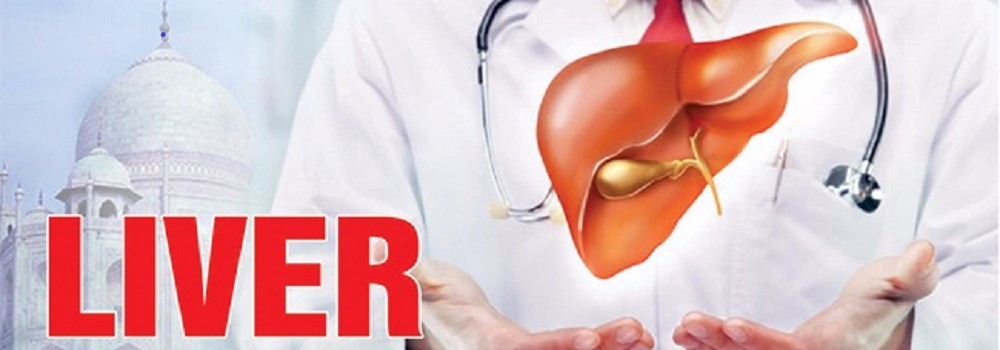
Best Liver Transplant Hospital and Surgery in India
Peace Medical Tourism helps you choose the best hospitals and surgeons in India based on the quality of hospitals (i.e., NABH or JCI accredited), the experience of doctors, and the success rate of their surgeries. We are working with one of the world’s best and most comprehensive Liver transplantation hospitals in India, having advanced operation theatres for Minimally Invasive Surgery (MIS) and 'state-of-the-art liver intensive care units for Liver transplantation.
Hospitals are designed to provide the highest levels of professional expertise and patient care with the intent of early mobilization and to perform for liver and biliary diseases, including cancer, both in adults and children.
We have the world's best Liver transplant surgeon and have performed more than 1000 transplant surgeries successfully with an over 95% success rate for the recipient and 100 % for the donor. The transplant cost starts from 32,000 to 40,000 USD, depending upon the hospital services, surgeon, and patient condition.
Our transplant team has the main goal for post-care transplant:
- The doctor will give complete information about post care of your surgery, proper caring of incisions and managing medications.
- Patients can walk after 3 to 5 days of the transplant.
- Drainpipe will remove after 10 to 15 days of transplant.
- Our team will monitor regularly with a blood test, its help keep your immune system from attacking and rejecting your new liver.
- Our Liver transplant surgeon will guide about the recovery and post-care of transplant.
- Help at Home or Hotel after Liver Transplant Surgery.
Liver Transplant in India: Hospitals, Surgeons, Costs, Outcomes & How to Choose
Why India for Liver Transplant?
India has become a global hub for liver transplantation thanks to experienced high-volume teams, mature living-donor programs, and comparatively lower costs than many Western countries—while maintaining outcomes that rival international benchmarks. Most major centres offer both living-donor liver transplant (LDLT) and deceased-donor liver transplant (DDLT), with advanced ICUs, interventional radiology, and infectious-disease support integral to transplant care.
Typical all-inclusive surgery packages (recipient + donor hospitalization) in private hospitals run roughly ₹15–35 lakh (about USD 18,000–45,000), depending on city, hospital, complexity, ICU stay, and add-on procedures. Several recent overviews from major Indian providers and medical platforms place the private-sector range in this band.
Quick Primer: When is a Liver Transplant Needed?
Common indications include decompensated cirrhosis (viral hepatitis, alcohol-related liver disease, NASH), acute liver failure, hepatocellular carcinoma under transplant criteria, pediatric metabolic diseases, and certain cholestatic diseases. Suitability is assessed by hepatology and transplant surgery teams through a comprehensive evaluation of the recipient (liver disease stage, comorbidities, infection status, heart/lung function, nutrition) and the donor (if LDLT—voluntary, medically fit, adequate future liver remnant).
Outcomes: Contemporary Indian centres report 1-year patient survival rates typically in the 85–90%+ range, aligning with global standards; pediatric cohorts often report 1- and 5-year survival exceeding 90% and ~88% respectively.
Living vs Deceased Donation in India
-
Living-donor liver transplant (LDLT) remains the backbone in many Indian programs because deceased-donor rates are lower than demand. LDLT leverages the liver’s ability to regenerate—donors usually give a right or left lobe after thorough evaluation and ethics authorization.
-
Deceased-donor liver transplant (DDLT) allocation follows rules coordinated by NOTTO (National Organ and Tissue Transplant Organization) and state bodies like SOTTO/ROTTO. Allocation policies outline how organs are matched to registered patients (e.g., medical urgency, waiting time).
Donor Safety: Large multicentre studies and reviews worldwide estimate serious complication rates around 20–25% (most are manageable) and donor mortality roughly 0.06–0.3%—rare but not zero—underscoring the need to choose experienced, protocol-driven teams.
Legal & Ethical Framework (Important for Families)
Transplantation in India is governed by the Transplantation of Human Organs and Tissues Act (THOTA), 1994, with 2011 amendments and 2014 Rules. Key points:
-
Recognizes brain-stem death; allows donation after brain death.
-
Defines near-relative vs non-related living donors and mandates review by a Hospital Authorization Committee to prevent commercial dealings.
-
Specifies documentation (e.g., Forms 1/2/3/11), brain-death certification protocols, and hospital registration requirements.
Deceased-donor listing and liver allocation are coordinated nationally by NOTTO under published policies; states may adapt implementation.
Step-by-Step: How the Transplant Journey Typically Unfolds
-
Pre-transplant evaluation (recipient): labs, imaging, endoscopy, cardiac/pulmonary workup, infection screen, nutrition/frailty assessment, psychosocial review.
-
Donor workup (LDLT): voluntary consent; compatibility; imaging for liver anatomy/volume; metabolic & fibrosis assessment; independent counseling; Authorization Committee approval.
-
Listing (DDLT) or scheduling (LDLT): If DDLT, patient joins the NOTTO/SOTTO waitlist; if LDLT, surgery is scheduled once clearances complete.
-
Surgery: donor hepatectomy + recipient hepatectomy and graft implantation; bile duct and vascular anastomoses; ICU monitoring.
-
Immediate recovery: ICU then ward; early mobilization; graft function monitoring; infection prophylaxis; immunosuppression.
-
Long-term care: strict medicines, labs, vaccinations, cancer screening; lifestyle/diet counselling. (Post-transplant infections and costs of medications are significant considerations over time.)
What Does It Cost in India?
While packages vary, multiple current sources converge on these bands in private centres:
-
Total transplant package (recipient + donor): ₹15–35 lakh (often ₹20–30 lakh), excluding prolonged ICU stays or complex add-ons.
-
City variation: Metro, high-volume quaternary centres can be on the higher end; some cities (e.g., Gurgaon/Hyderabad) report typical ranges in the low-to-mid ₹20-lakh band.
-
Ongoing costs: Monthly medication and monitoring can add ₹5,000–₹10,000+; budget for infectious-disease care during the first year.
Tip: Always ask for a written cost breakdown (recipient bed class, donor workup, ICU days included, blood products, interventional radiology, rejection therapy, re-exploration policy, and exclusions like prolonged ventilation).
How to Choose the Right Hospital & Surgeon (A Practical Checklist)
Hospital factors
-
Volume & outcomes: Ask for last 12–24 months’ case volumes, 1-year patient/graft survival, infection and re-exploration rates, and pediatric vs adult caseload. High-volume Indian centres report outcomes in the 85–90%+ 1-year survival range.
-
Full-spectrum support: 24×7 liver ICU, interventional radiology (TACE/TIPS), advanced blood bank, ECMO access, dedicated ID specialists, rehab & nutrition.
-
Accreditation & listing: NOTTO/SOTTO registration for DDLT, internal QA audits, multidisciplinary transplant board.
-
Transparent donor-safety protocols: Strict selection criteria, independent donor advocate, documented consent & Committee approval.
Surgeon/team factors
-
Lead surgeon’s LDLT/DDLT experience (especially complex anatomies, portal thrombosis, redo surgery).
-
Pediatric expertise if the patient is a child (graft selection, microvascular anastomoses, ICU).
-
Infection prevention track record—India’s early post-op mortality historically skewed to infections; ask about protocols and data.
-
Continuity of care: Who manages you long-term (hepatology, pharmacy counselling, vaccination schedules)?
Profiles: Leading Liver-Transplant Centres in India
Below are established high-volume programs frequently referenced by patients and clinicians. Always verify current metrics directly with the hospital, as teams and statistics evolve.
1) Medanta – The Medicity, Gurugram (Institute of Liver Transplantation & Regenerative Medicine)
-
Program: Led by Dr. A. S. Soin for decades; one of India’s largest LDLT programs, publishing outcomes across adult and pediatric cohorts.
-
Outcomes: Published figures from Medanta and Indian journals cite 1-, 5-, and 10-year survival around 92%, 83%, and 79% respectively for large cohorts (illustrative of high-volume centre results).
-
Education & Guides: Medanta’s patient materials outline donor/recipient pathways and indicative costs (often ₹20–30 lakh).
2) Max Super Speciality Hospital, Saket (Centre for Liver & Biliary Sciences), New Delhi
-
Program: Chaired by Prof. (Dr.) Subhash Gupta, widely recognized for building one of the largest LDLT centres.
-
Scale & Outcomes: The centre reports 200+ transplants annually and communicates >95% immediate success and >80% 10-year survival in public materials; verify centre-specific current outcomes when you enquire.
-
Scope: Complex HPB oncology alongside transplant, large multidisciplinary team with long experience.
3) Rela Institute & Medical Centre (RIMC), Chennai
-
Program: Founded by Prof. Mohamed Rela, globally known for pediatric liver transplant innovation; credited with performing a transplant on a 5-day-old infant (Guinness record) and regularly publishing pediatric outcomes.
-
Pediatric focus: The centre reports >300 pediatric liver transplants, and is among the busiest pediatric programs in South Asia. Recent news highlights pioneering robotic pediatric liver transplant cases.
4) Indraprastha Apollo Hospitals, New Delhi (Liver Transplant Program)
-
Program: One of India’s earliest multi-organ transplant programs with experienced teams performing LDLT & DDLT; Apollo’s network offers broad geographic access and post-transplant follow-up. (Confirm centre-specific stats directly when shortlisting.)
5) Institute of Liver and Biliary Sciences (ILBS), New Delhi
-
Program: A government-promoted, liver-focused super-specialty teaching institute. ILBS plays key roles in hepatology training and liver surgery/transplantation; it aligns with national policies on listing/allocation. (Ask directly for latest outcomes and volumes.)
6) Gleneagles Global Hospitals (Chennai/Hyderabad/Mumbai/Bengaluru)
-
Program: Multicity network with transplant units; useful for patients wanting proximity to home with a unified protocol across centres.
7) Sir Ganga Ram Hospital (SGRH), New Delhi
-
Program: Established HPB & transplant unit with LDLT and DDLT services; relevant for patients prioritizing central Delhi access and academic culture.
(Centres 4–7 are included for a rounded market view; verify the most current surgeon roster, LDLT/DDLT mix, and outcomes when you make contact.)
Surgeons Often Shortlisted by Patients (Illustrative, Not Exhaustive)
Choose surgeons based on fit for your case, current team composition, and hospital infrastructure—not merely name recognition.
-
Dr. A. S. Soin (Medanta, Gurugram): Pioneer of LDLT in India; large published experience; outcomes cited in peer-reviewed Indian literature.
-
Prof. (Dr.) Subhash Gupta (Max, New Delhi): Built one of the world’s busier LDLT programs; 200+ transplants/year at his centre; widely referenced by Indian and international patient platforms.
-
Prof. Mohamed Rela (Rela Institute, Chennai): Internationally recognized, especially for pediatric and complex cases; Guinness-record infant transplant; ongoing innovation including robotic approaches.
There are many other excellent surgeons across Apollo, ILBS, SGRH, Gleneagles Global, Kokilaben (Mumbai), Aster (Kochi), and others. Request case-mix details relevant to your diagnosis (e.g., hepatocellular carcinoma, acute liver failure, pediatric metabolic disease, retransplant, portal vein thrombosis).
Donor Safety: What Families Should Ask
-
Eligibility standards: BMI, steatosis (fatty liver) thresholds, future liver remnant (FLR) % requirements, anatomy (portal/hepatic vein/bile duct branching), and psychosocial screening.
-
Expected risks: Contemporary meta-analyses and global surveys suggest ~20–25% overall morbidity (most low-grade) and ~0.06–0.3% mortality; ask for the centre’s donor-specific complication/mortality data and re-admission rates. PubMedhpbonline.org
-
Surgical approach: Open vs minimally invasive donor hepatectomy; recent data suggest similar severe-complication rates, with different bleeding profiles—experience matters more than incision size.
-
Follow-up: Duration off work, pain control, hernia/bile-leak rates, and long-term quality of life (most donors return to baseline with appropriate selection and care).
What to Expect in the Operating Room & ICU (Plain-English Walkthrough)
-
Donor surgery (LDLT): The donor’s lobe (right or left) is carefully mobilized and separated from vessels and bile duct; the cut surface is sealed. Donor stays in ICU for 1–2 days, then the ward.
-
Recipient surgery: Diseased liver removed; new graft connected to hepatic vein, portal vein, hepatic artery, and bile duct; the team checks blood flow and bile drainage; drains placed.
-
ICU care: Ventilation (often 12–24h), strict fluid and coagulation management, early infection surveillance, Doppler ultrasound of graft vessels, immunosuppression initiation.
-
Hospital stay: Uncomplicated cases: ~10–14 days for recipient, ~5–7 days for donor; pediatric or complex adult cases may vary.
-
Discharge & aftercare: Medication adherence is non-negotiable. Infectious-disease follow-up, vaccinations, and prompt reporting of fever/jaundice/abdominal pain are essential.
Financing, Access & the Public–Private Landscape
Public programs exist but capacity varies by state; India continues to expand deceased-donor systems, though organ availability remains a bottleneck, with ongoing government and NGO efforts to increase pledges and optimize CMOD (cadaveric multi-organ donation). Recent reports highlight the gap between potential and realized donations and the importance of awareness and ICU infrastructure.
Patients frequently combine insurance, government schemes, and crowdfunding to cover expenses; academic work from Kerala underscores both the quality-of-life gains and the financial/mental-health challenges many recipients face post-transplant—support services and counseling matter.
Red Flags & Smart Questions to Ask Every Centre
-
“How many adult and pediatric transplants did you perform in the last 12 months? Break it down by LDLT and DDLT.”
-
“What are your risk-adjusted 30-day and 1-year patient and graft survival rates this year?” (Ask for written data.)
-
“How many re-explorations, hepatic artery thromboses, and serious infections did you manage post-op?”
-
“For donors: what’s your Clavien-Dindo grade III/IV complication rate and donor readmission?”
-
“If I develop rejection or infection 3 months later, who follows me up and how quickly can I access the team?”
-
“What exactly is in the package cost, and what triggers out-of-package billing?”
-
“Do you offer near-home follow-up or telemedicine, and do you coordinate with local physicians?”
Sample Shortlist (How to Compare)
When comparing centres like Medanta (Gurugram), Max Saket (Delhi), Rela Institute (Chennai), Apollo Delhi, SGRH Delhi, or Gleneagles Global (Chennai/Hyderabad), create a simple head-to-head grid:
-
Annual volumes (adult/pediatric; LDLT/DDLT)
-
1-year survival and infection rates
-
Donor outcomes & approach (open vs MIS)
-
Cost breakdown (ICU days, donor care, blood products)
-
Waiting-list dynamics for DDLT (NOTTO linkages)
-
Logistics (international desk, visa support, nearby housing)
-
Language & caregiver support; pediatric ICU capacity if needed
Frequently Asked Questions
Q: What’s safer—LDLT or DDLT?
Both are well-established. LDLT reduces waiting time and allows timely transplant; DDLT avoids exposing a living donor to risk. Choose based on medical urgency, donor availability, and centre expertise. Donor safety is paramount; discuss centre-specific donor morbidity/mortality data.
Q: How long do I need to stay in India (for international patients)?
Typically 6–8 weeks around surgery for the recipient; donor may need 3–4 weeks from workup through recovery (varies by course and surgeon advice).
Q: What about life after transplant?
Most patients resume normal life and work over months, but must adhere to medications, vaccinations, hygiene and follow-up schedules. Quality-of-life studies show substantial recovery, though financial and mental-health supports help.
Q: Are robotic liver transplants available?
Robotic and minimally invasive techniques are emerging for selected cases (especially donor hepatectomy at some centres), including pediatric innovations reported from Chennai; outcomes depend on team experience.
Actionable Next Steps
-
Gather records: Diagnosis summary, imaging (CT/MRI), labs (including MELD, viral markers), prior treatments.
-
Reach out to 2–3 centres: Ask the same questions (volumes/outcomes/costs/inclusions).
-
If LDLT is planned: Identify potential donors early; ensure independent counseling and clear understanding of risks/benefits and leave from work.
-
Confirm legal compliance: Ensure THOTA/NOTTO documentation, Authorization Committee approvals for living donors, and transparent billing.
-
Plan the year after transplant: Budget for medicines and labs; arrange infection-prevention strategies; line up local physician coordination.
Final Word
Liver transplantation is life-saving and complex. India’s leading centres combine surgical expertise, seasoned ICUs, and cost advantages—but outcomes correlate strongly with team experience, systems for infection control, donor safety rigor, and your adherence to lifelong care. Use the checklists above, verify current stats directly with hospitals, and choose the team that communicates transparently and makes you feel safe and supported.
Sources & Further Reading
-
Cost ranges and private-sector estimates in India: HexaHealth; Milaap cost comparison; Medanta patient guide; MediGence global comparison.
-
National policy & legal framework: THOTA/THOTA Rules (NOTTO/IndiaCode), NOTTO transplant manual & allocation policy; overview articles.
-
Outcomes & donor safety: Indian outcomes review; pediatric meta-analysis; global donor safety estimates; severe-complication comparisons.
-
Centre/surgeon snapshots & milestones: Medanta outcomes (journal snippet); Max CLBS program notes; Rela Institute pediatric/robotic updates.
Contact Us –
Mohmmad Tarique
WhatsApp - + 91 9582 708 782 / + 91 9999 211 359
Email – treatmentquery@gmail.com
Web – www.peacemedicaltourism.com