How to prevent cancer

How to Prevent Cancer? Tips to Reduce the Risk of Cancer Through Diet and Lifestyle
Introduction
Cancer is one of the major health challenges worldwide. It occurs when abnormal cells grow uncontrollably and may spread to other parts of the body. There are many types of cancer, including breast cancer, lung cancer, colorectal cancer, prostate cancer, cervical cancer, stomach cancer, liver cancer, and blood cancer.
Although it is not possible to prevent every type of cancer, many cancers can be prevented or their risk reduced through healthy lifestyle choices, vaccination, avoiding tobacco, maintaining a healthy weight, eating a balanced diet, limiting alcohol, and undergoing appropriate cancer screening.
Cancer can develop because of several factors, including age, genetics, environmental exposures, infections, and lifestyle habits. Some risk factors cannot be changed, but others can be managed to improve overall health and lower the likelihood of developing certain cancers.
The good news is that you do not need to make every change at once. Small, consistent improvements in your daily routine can make a meaningful difference over time.
In this blog, we explain how to reduce the risk of cancer, which foods to include in your daily diet, which habits to avoid, how exercise helps, and what you should know about cancer screening and prevention.
Important: No diet, supplement, detox programme, or lifestyle routine can guarantee that you will never develop cancer. Prevention means reducing risk, not eliminating it completely.
What Is Cancer?
Cancer is a group of diseases in which abnormal cells grow and divide without normal control. These cells may form a tumour, invade nearby tissues, or spread to distant parts of the body.
Some cancers, such as breast, lung, and colorectal cancer, commonly form solid tumours. Others, including leukaemia, affect blood-forming tissues and may not produce a solid tumour.
Cancer develops through a complex process involving changes in the DNA and behaviour of cells. These changes may occur naturally as people age or result from exposure to cancer-causing substances, certain infections, radiation, and other factors.
Examples of cancer risk factors include:
- Tobacco smoking and smokeless tobacco.
- Harmful alcohol consumption.
- Excess body weight and physical inactivity.
- Unhealthy dietary patterns.
- Ultraviolet radiation from sunlight and tanning devices.
- Certain infections, including human papillomavirus (HPV) and hepatitis B and C viruses.
- Exposure to air pollution and some workplace carcinogens.
- Family history and inherited genetic changes.
- Increasing age.
Having one or more risk factors does not mean that a person will definitely develop cancer. Similarly, people without obvious risk factors can also develop the disease.
Can Cancer Be Prevented?
Cancer prevention focuses on reducing exposure to known risk factors and addressing preventable causes.
The most important steps include:
- Avoid tobacco in all forms.
- Maintain a healthy body weight.
- Eat a balanced diet rich in vegetables, fruits, whole grains, and legumes.
- Exercise regularly and avoid sitting for prolonged periods.
- Avoid alcohol or minimise consumption.
- Get recommended vaccinations, especially HPV and hepatitis B vaccines.
- Protect your skin from excessive ultraviolet radiation.
- Reduce exposure to cancer-causing substances at home and work.
- Follow age- and risk-appropriate cancer screening recommendations.
- Seek medical advice about inherited cancer risks and unusual symptoms.
These measures can reduce the risk of several cancers while also supporting heart health, metabolic health, and general well-being.
1. Avoid Tobacco in All Forms
Tobacco use is one of the most important preventable causes of cancer. Smoking is strongly associated with lung cancer and also increases the risk of cancers of the mouth, throat, voice box, oesophagus, pancreas, bladder, kidney, stomach, cervix, and other organs.
Smokeless tobacco is not a safe alternative. Products such as gutkha, khaini, and chewing tobacco can cause cancers of the mouth and other parts of the body. Areca nut or betel quid preparations may also increase cancer risk, even when tobacco is not included.
Tips to avoid tobacco
- Do not start smoking or using smokeless tobacco.
- If you smoke, make a plan to quit and seek professional support.
- Avoid second-hand smoke whenever possible.
- Do not replace cigarettes with gutkha, khaini, or other tobacco products.
- Ask a healthcare professional about evidence-based smoking cessation support.
- Keep your home and car smoke-free.
Quitting tobacco has health benefits at any age. Although the risk does not disappear immediately, it decreases over time after quitting.
2. Maintain a Healthy Body Weight
Excess body fat is associated with an increased risk of several cancers, including colorectal, breast cancer after menopause, endometrial, kidney, liver, pancreatic, and oesophageal adenocarcinoma.
Excess weight may influence insulin levels, inflammation, hormone activity, and other processes involved in cancer development.
How to maintain a healthy weight
- Eat regular, balanced meals.
- Choose whole foods more often than highly processed foods.
- Control portion sizes according to your energy needs.
- Limit sugary drinks and frequent high-calorie snacks.
- Exercise consistently.
- Get enough sleep.
- Monitor your weight over time without relying on crash diets.
A healthy weight differs from person to person. Your healthcare professional can help you assess your weight, waist circumference, and overall health.
Avoid extreme dieting. Sustainable habits are generally more useful than rapid weight-loss programmes that are difficult to maintain.
3. Follow a Balanced, Cancer-Preventive Diet
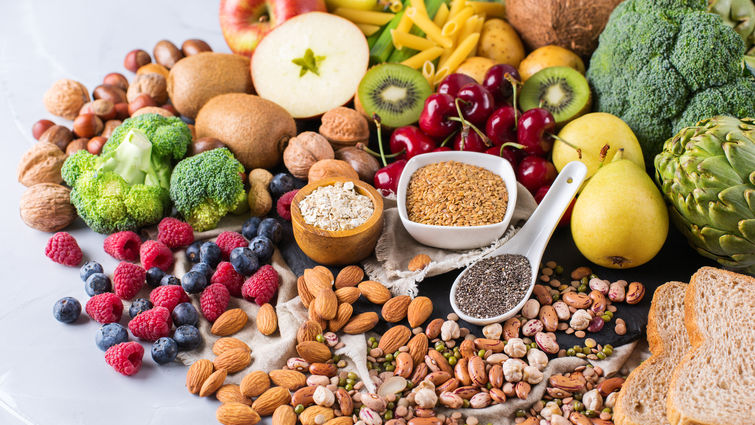
A healthy diet supports normal body function and can help reduce the risk of some cancers, particularly when combined with a healthy weight, regular exercise, and avoiding tobacco.
There is no single food that prevents cancer. Instead, focus on your overall eating pattern.
Foods to include in your daily diet
Vegetables: Spinach, carrots, broccoli, cabbage, cauliflower, tomatoes, pumpkin, beans, and other seasonal vegetables provide fibre, vitamins, minerals, and beneficial plant compounds.
Fruits: Guava, oranges, apples, papaya, berries, bananas, and other whole fruits provide fibre and nutrients. Choose whole fruit more often than juice.
Whole grains: Oats, whole-wheat roti, brown rice, millets, barley, and other whole grains can increase fibre intake.
Pulses and legumes: Lentils, chickpeas, kidney beans, peas, and other beans provide plant protein and fibre.
Nuts and seeds: Almonds, walnuts, peanuts, flaxseeds, and sesame seeds can be included in moderate portions as part of a balanced diet.
Protein-rich foods: Pulses, beans, eggs, fish, poultry, tofu, and dairy products can help meet your protein needs. Choose options appropriate for your health, dietary preferences, and cultural practices.
Healthy fats: Small amounts of unsaturated fats from nuts, seeds, and suitable vegetable oils can form part of a balanced diet.
Why fibre matters
Fibre supports digestive health and helps maintain regular bowel movements. Whole grains, legumes, vegetables, and fruits are useful sources.
Higher-fibre dietary patterns are associated with a lower risk of colorectal cancer. However, fibre supplements should not be considered a substitute for a balanced diet or recommended screening.
Eat a variety of colourful vegetables and fruits
Different plant foods contain different nutrients and naturally occurring compounds. Eating a variety of colours helps you obtain a wider range of nutrients.
For example:
- Green vegetables: spinach, peas, broccoli.
- Orange vegetables: carrots, pumpkin.
- Red foods: tomatoes, red peppers.
- Purple foods: purple cabbage and aubergine.
- Whole fruits: guava, apples, oranges, papaya.
No specific colour or food group can guarantee protection against cancer. Variety is more important than relying on one so-called superfood.
4. Limit Processed Meat and Reduce Excess Red Meat
Processed meat includes products such as bacon, ham, sausages, and some cured or preserved meats. Consumption of processed meat is associated with an increased risk of colorectal cancer.
Red meat includes beef, pork, lamb, and goat meat. High consumption of red meat may also be associated with colorectal cancer risk.
Practical dietary recommendations
- Avoid or minimise processed meats.
- Choose beans, lentils, fish, eggs, or poultry more often when suitable.
- If you eat red meat, keep portions moderate and avoid making it the main protein at every meal.
- Eat a variety of plant-based protein sources.
- Prefer fresh, minimally processed foods.
For people who eat a traditional Indian diet, dal, chana, rajma, vegetables, whole grains, and suitable dairy or egg options can help create balanced meals.
5. Reduce Sugary Drinks and Highly Processed Foods
Sugary drinks, sweets, fried snacks, and highly processed foods can contribute to excess calorie intake and weight gain when consumed frequently.
Sugar itself is not a direct, unique cause of cancer. However, regularly consuming large quantities of sugary drinks and energy-dense foods can make maintaining a healthy weight more difficult, and excess body fat is linked to several cancers.
Better everyday choices
- Drink water instead of sugary soft drinks.
- Choose whole fruit rather than fruit juice most of the time.
- Reduce frequent consumption of packaged sweets and fried snacks.
- Prepare more meals at home when possible.
- Read food labels to compare sugar, salt, and saturated fat.
- Keep highly processed foods occasional rather than making them the foundation of your diet.
You do not have to eliminate every favourite food. The overall pattern of your diet matters more than one occasional meal.
6. Avoid Alcohol or Limit It
Alcohol consumption is associated with cancers of the mouth, throat, voice box, oesophagus, liver, breast, and colorectum.
The cancer risk generally increases with greater alcohol consumption. There is no established risk-free level of alcohol consumption for cancer, so avoiding alcohol is the best option for minimising alcohol-related cancer risk.
Practical tips
- Avoid alcohol if you do not drink.
- If you drink, consider reducing or stopping.
- Do not assume wine or beer is safer than other alcoholic beverages in terms of cancer risk.
- Seek medical advice if you need help reducing alcohol use.
Alcohol can also interact with medicines and affect liver health. If you drink heavily, speak with a healthcare professional before stopping suddenly, because withdrawal can sometimes be dangerous.
7. Exercise Regularly
Physical activity helps maintain a healthy weight and supports metabolic and cardiovascular health. Regular activity is associated with a lower risk of certain cancers, particularly colorectal and breast cancer after menopause, as well as endometrial cancer.
You do not need to join an expensive gym to become more active.
Recommended physical activity
For most adults, a useful target is:
- At least 150–300 minutes of moderate-intensity aerobic activity each week, or
- 75–150 minutes of vigorous-intensity activity each week, or an equivalent combination.
- Muscle-strengthening activities on at least two days per week.
Examples of moderate activity include brisk walking, cycling at a comfortable pace, dancing, and swimming.
Simple ways to become more active
- Walk for 20–30 minutes on most days.
- Use stairs when practical.
- Take short movement breaks during long periods of sitting.
- Try yoga, cycling, gardening, or dancing.
- Build up your activity gradually if you have been inactive.
- Choose activities you enjoy so you can maintain them.
If you have a chronic illness, mobility limitations, or symptoms during exercise, ask your healthcare professional about a safe activity plan.
8. Reduce Long Periods of Sitting
Even people who exercise may spend much of the day sitting. Prolonged sedentary time can contribute to poor metabolic health and weight gain.
To reduce sitting time:
- Stand up and move regularly during work.
- Take short walking breaks between tasks.
- Walk while speaking on the phone when practical.
- Stretch after long periods of desk work.
- Add brief movement sessions to your daily schedule.
The goal is to combine regular exercise with more movement throughout the day.
9. Get Enough Sleep
Sleep is important for physical recovery, mental health, and normal metabolic function. Adults generally benefit from around seven to nine hours of sleep each night, although individual needs vary.
The direct relationship between ordinary sleep duration and cancer risk is complex, and sleep should not be presented as a proven standalone cancer-prevention treatment.
Healthy sleep habits
- Maintain a consistent sleep and waking schedule.
- Reduce caffeine late in the day if it affects your sleep.
- Create a quiet, comfortable sleeping environment.
- Limit bright screens close to bedtime.
- Seek medical advice for persistent insomnia or possible sleep disorders.
Shift work that disrupts circadian rhythms has been classified as probably carcinogenic to humans. However, this does not mean that every shift worker will develop cancer. If you work shifts, prioritise sleep, healthy eating, physical activity, and appropriate medical care.
10. Protect Your Skin From Excessive Sun Exposure
Ultraviolet (UV) radiation from sunlight and tanning devices can damage skin cells and increase the risk of skin cancer.
Although skin pigmentation influences risk, people of all skin tones can develop skin cancer.
Sun protection tips
- Seek shade during periods of strong sunlight.
- Wear protective clothing, a wide-brimmed hat, and sunglasses.
- Apply broad-spectrum sunscreen with SPF 30 or higher to exposed skin.
- Reapply sunscreen about every two hours outdoors and after swimming or heavy sweating, following the product instructions.
- Avoid indoor tanning devices.
- Do not rely on sunscreen alone when prolonged exposure can be avoided.
Watch for new or changing moles, non-healing sores, or skin lesions that change in size, shape, or colour. Seek medical assessment if you notice concerning changes.
11. Get Recommended Cancer-Preventing Vaccinations
Some infections can increase the risk of developing cancer. Vaccination can prevent certain infections and reduce the risk of cancers associated with them.
HPV vaccination
- Human papillomavirus (HPV) is associated with cervical cancer and several other cancers, including some anal, penile, vulvar, vaginal, and oropharyngeal cancers.
- HPV vaccination is most effective when given before exposure to the virus. Eligibility, recommended ages, dosing, and catch-up schedules depend on local guidelines and individual circumstances.
- Vaccination does not replace recommended cervical cancer screening.
Hepatitis B vaccination
- Chronic hepatitis B infection can lead to liver cancer. Hepatitis B vaccination helps prevent infection and therefore reduces the risk of liver disease and related cancer.
- Ask a healthcare professional whether you or your family members should receive these vaccines.
Other infection-related precautions
- Get tested for hepatitis B or C when recommended.
- Seek treatment for chronic viral infections as advised.
- Practise safe food handling and access clean drinking water.
- Follow medical advice for infections associated with cancer risk.
Not every infection-related cancer is preventable, but vaccination, testing, and appropriate treatment can help reduce risk.
12. Follow Recommended Cancer Screening Guidelines
- Screening means testing people who do not have symptoms to look for signs of a disease or precancerous changes.
- Screening is different from diagnostic testing, which is performed when a person has symptoms or an abnormal examination.
- Appropriate screening can detect certain cancers early or identify changes that can be treated before cancer develops.
Common cancer screening examples
Breast cancer: Mammography is used for breast cancer screening in eligible individuals. The appropriate starting age and frequency depend on the guideline followed, personal risk, and local healthcare recommendations.
Cervical cancer: HPV testing and/or cervical cytology (Pap testing) can detect high-risk HPV infection or precancerous cervical changes. Follow the recommended screening schedule for your age and medical history.
Colorectal cancer: Stool-based tests and visual examinations such as colonoscopy are options for eligible adults. Screening can detect cancer and, in some cases, remove precancerous polyps.
Lung cancer: Low-dose CT screening may be recommended for certain people with a significant smoking history, depending on their age and the applicable national guidelines. It is not recommended for everyone.
Prostate cancer: PSA testing should be discussed with a healthcare professional because benefits and potential harms vary with age and individual risk.
There is no universally recommended routine screening test for every cancer. For example, whole-body scans and broad tumour-marker blood tests are not appropriate screening tools for all healthy people.
Important: People with a strong family history, inherited cancer syndrome, previous precancerous conditions, or significant exposure to cancer-causing substances may need earlier or more intensive screening.
13. Know Your Family History
- Some cancers run in families because relatives may share inherited genetic changes, environmental exposures, or lifestyle factors.
- A strong family history of breast, ovarian, colorectal, prostate, pancreatic, or other cancers may indicate a need for a more detailed risk assessment.
What you can do
- Learn which relatives have had cancer.
- Note the type of cancer and the age at diagnosis.
- Tell your doctor if several close relatives have had the same or related cancers.
- Mention cancers diagnosed at unusually young ages.
- Ask whether genetic counselling or testing is appropriate.
Having a family history does not mean that cancer is inevitable. Risk assessment can help identify people who may benefit from additional screening or preventive options.
14. Reduce Exposure to Cancer-Causing Substances
Some environmental and workplace exposures can increase cancer risk. Examples include asbestos, certain industrial chemicals, diesel exhaust, radon, outdoor air pollution, and other recognised carcinogens.
The level of risk depends on the substance, amount and duration of exposure, and protective measures.
How to reduce exposure
- Follow workplace safety procedures.
- Use appropriate protective equipment when required.
- Avoid disturbing materials that may contain asbestos.
- Follow local guidance for radon testing where relevant.
- Reduce indoor smoke from tobacco and poorly ventilated cooking or heating sources.
- Use chemicals according to product instructions.
- Support clean-air measures and avoid unnecessary exposure to heavy pollution when feasible.
People who work in construction, mining, manufacturing, agriculture, or other higher-exposure industries should follow occupational health guidance and participate in required medical surveillance.
15. Cook and Store Food Safely
Food safety is important for preventing infections, some of which can contribute to cancer risk.
For example, chronic Helicobacter pylori infection is a major risk factor for stomach cancer. Chronic hepatitis B and C infections can increase the risk of liver cancer.
Safe food habits
- Wash your hands before preparing or eating food.
- Wash fruits and vegetables under clean running water.
- Cook meat, fish, and eggs safely.
- Refrigerate perishable food promptly.
- Avoid food that is mouldy or improperly stored.
- Use clean drinking water.
- Seek medical advice if you have persistent digestive symptoms or risk factors for relevant infections.
Some moulds can produce aflatoxins, which may contaminate improperly stored grains, maize, groundnuts, and other foods. Aflatoxin exposure is associated with liver cancer. Store food in dry, clean conditions and discard visibly mouldy or damaged products rather than attempting to make them safe by cooking.
16. Do Not Only Depend on Supplements or Detox Products
Many products are marketed as cancer-prevention supplements, herbal cures, detox drinks, or immune boosters. However, no supplement has been shown to prevent all cancers.
High doses of some vitamins and minerals can cause harm. For example, beta-carotene supplements have increased lung cancer risk in certain groups of smokers and people with asbestos exposure.
A safer approach
- Get most nutrients from a varied diet.
- Take supplements when there is a diagnosed deficiency or a specific medical indication.
- Discuss supplements with your healthcare professional, particularly if you take medicines.
- Avoid products claiming to cure cancer or guarantee prevention.
- Do not delay recommended screening or treatment to try an unproven remedy.
A healthy diet supports general well-being, but it cannot replace vaccination, appropriate screening, or medical care.
17. Follow a Practical Daily Routine for Cancer Risk Reduction
Healthy habits work best when they become part of everyday life. You do not need a perfect routine; aim for consistent, achievable improvements.
Morning
- Wake up at a regular time.
- Drink water according to your thirst.
- Eat a balanced breakfast, such as oats with fruit, vegetable poha, or whole-wheat roti with eggs or another protein source.
- Walk, stretch, or exercise if your schedule allows.
Afternoon
- Include vegetables and a protein source in lunch.
- Choose whole grains or other fibre-rich foods.
- Drink water instead of sugary beverages.
- Take short walking breaks if you work at a desk.
Evening
- Walk, cycle, or participate in another activity.
- Choose fruit, nuts, or another suitable snack when hungry.
- Avoid tobacco and alcohol.
- Limit prolonged sedentary time.
Night
- Eat a balanced dinner.
- Maintain a regular bedtime.
- Allow sufficient time for sleep.
- Plan meals and physical activity for the following day.
The best routine is one that fits your health, culture, work schedule, and personal needs.
18. A 7-Day Healthy Diet Plan to Support Cancer Risk Reduction
The following sample meal plan is based on a balanced Indian-style diet. It emphasises vegetables, whole fruits, pulses, whole grains, and a variety of protein sources.
This is a general example, not a treatment diet or a guarantee against cancer. Portion sizes and food choices should be adjusted for age, activity, allergies, diabetes, kidney disease, pregnancy, and other medical needs.
Day 1
- Breakfast: Vegetable oats with a small serving of plain yoghurt.
- Mid-morning: One guava or orange.
- Lunch: Whole-wheat roti, dal, mixed vegetables, and salad prepared with clean ingredients.
- Evening snack: A small handful of unsalted nuts.
- Dinner: Brown rice or roti, cooked vegetables, and chickpea curry.
Day 2
- Breakfast: Vegetable poha with peanuts and a serving of fruit.
- Mid-morning: Papaya.
- Lunch: Rajma, brown rice, and a side of cooked vegetables.
- Evening snack: Plain yoghurt or unsweetened lassi.
- Dinner: Whole-wheat roti with mixed vegetable curry and dal.
Day 3
- Breakfast: Idli with sambar.
- Mid-morning: An apple or seasonal fruit.
- Lunch: Roti, chana, and green vegetables.
- Evening snack: Roasted chana.
- Dinner: Vegetable khichdi with plain yoghurt and a side of cooked vegetables.
Day 4
- Breakfast: Whole-grain toast with eggs, tofu, or another suitable protein.
- Mid-morning: An orange or guava.
- Lunch: Millet roti, dal, and seasonal vegetables.
- Evening snack: A small serving of nuts or seeds.
- Dinner: Vegetable soup, whole-wheat roti, and chickpea or bean curry.
Day 5
- Breakfast: Dalia cooked with vegetables or milk, depending on preference.
- Mid-morning: Papaya or another whole fruit.
- Lunch: Brown rice, dal, and mixed vegetables.
- Evening snack: Plain yoghurt or roasted makhana.
- Dinner: Whole-wheat roti, tofu or paneer in a moderate portion, and cooked vegetables.
Day 6
- Breakfast: Besan chilla with vegetables and plain yoghurt.
- Mid-morning: An apple or seasonal fruit.
- Lunch: Roti, rajma or lentils, and a vegetable side dish.
- Evening snack: Roasted chana or a small serving of unsalted nuts.
- Dinner: Vegetable pulao made with whole grains where practical, accompanied by dal and salad.
Day 7
- Breakfast: Vegetable upma with a serving of fruit.
- Mid-morning: Guava, orange, or papaya.
- Lunch: Roti, dal, seasonal vegetables, and plain yoghurt.
- Evening snack: Fruit or a small serving of nuts.
- Dinner: Chickpea or lentil curry, whole-wheat roti, and cooked vegetables.
Tips for following this diet plan
- Include a variety of vegetables and fruits throughout the week.
- Choose whole grains more often than refined grains.
- Include pulses, beans, or other suitable protein sources daily.
- Prefer water and unsweetened beverages.
- Reduce processed meat, excessive red meat, and frequent sugary drinks.
- Use salt, sugar, and cooking oil in moderation.
- Choose seasonal foods that are affordable and available locally.
- Adjust portion sizes to your energy needs.
Non-vegetarians may include suitable portions of fish, eggs, or poultry. Vegetarians can obtain protein from pulses, beans, soy foods, dairy products, nuts, and seeds.
There is no requirement to purchase expensive imported foods or special supplements to follow a healthy eating pattern.
19. Cancer Prevention Tips for Different Age Groups
Cancer prevention needs change with age, family history, and individual risk.
For young adults
- Avoid tobacco and vaping products.
- Discuss HPV vaccination if eligible.
- Develop healthy eating and exercise habits.
- Protect your skin from excessive UV exposure.
- Learn your family's cancer history.
For adults aged 40 and above
- Review your weight, diet, physical activity, and tobacco or alcohol use.
- Discuss age-appropriate cancer screening with a healthcare professional.
- Seek assessment if you have a strong family history.
- Manage chronic conditions and maintain regular healthcare visits.
For older adults
- Discuss the benefits and possible harms of screening in light of overall health and life expectancy.
- Maintain physical activity appropriate to your abilities.
- Eat enough protein and nutrient-rich foods.
- Seek prompt assessment for new or persistent symptoms.
These are broad principles, not rigid age-based screening rules. Recommended tests and starting ages differ among countries and depend on personal risk.
20. Warning Signs of Cancer You Should Not Ignore
Cancer does not always cause symptoms in its early stages. When symptoms do occur, many have non-cancerous causes. Nevertheless, persistent or unexplained changes should be assessed by a healthcare professional.
Possible warning signs include:
- A new lump or swelling.
- Unexplained weight loss.
- Persistent fatigue without a clear cause.
- Blood in the stool or urine.
- A persistent cough or hoarseness.
- Difficulty swallowing.
- A sore that does not heal.
- A change in bowel or bladder habits.
- Unusual bleeding, including bleeding after menopause.
- Persistent indigestion or abdominal discomfort.
- A mole or skin lesion that changes.
- Persistent unexplained pain.
These symptoms do not automatically mean that you have cancer. However, do not ignore them or rely on self-diagnosis. Arrange a medical evaluation, especially if a symptom persists, worsens, or is unusual for you.
21. Common Myths About Cancer Prevention
Myth 1: Eating one superfood can prevent cancer
Fact: No single food prevents all cancers. Overall dietary patterns, healthy weight, physical activity, vaccination, and avoiding tobacco are more important.
Myth 2: Cancer affects only older people
Fact: Cancer is more common with increasing age, but it can also occur in children, teenagers, and young adults.
Myth 3: If cancer runs in my family, I will definitely get it
Fact: Inherited genetic changes can increase risk, but family history does not make cancer inevitable. Genetic counselling and appropriate screening may help.
Myth 4: All natural supplements are safe
Fact: Natural products can cause side effects, interact with medicines, or contain harmful ingredients. Evidence of safety and effectiveness matters.
Myth 5: If I feel healthy, I do not need screening
Fact: Some cancers and precancerous conditions may cause no symptoms initially. Appropriate screening is intended to help detect certain conditions before symptoms develop.
Myth 6: Cancer is always preventable
Fact: Many cancers arise through a combination of factors that cannot be fully controlled. Prevention reduces risk but cannot guarantee protection.
Myth 7: Sugar directly feeds cancer, so all carbohydrates must be avoided
Fact: All body cells use glucose for
Looking for the best Cancer Treatment in India, Peace Medical Tourism will help you to choose you the top 10 Surgical Oncologist Surgeon and chemotherapy oncologists.
whatsApp/viber?—?+91 9582 70 87 82
Mohammad Tarique
WhatsApp- 0091–9582708782
E: treatmentquery@gmail.com
Skype- peace_healthcare
Web: www.peacemedicaltourism.com