Cancer early detection and screening
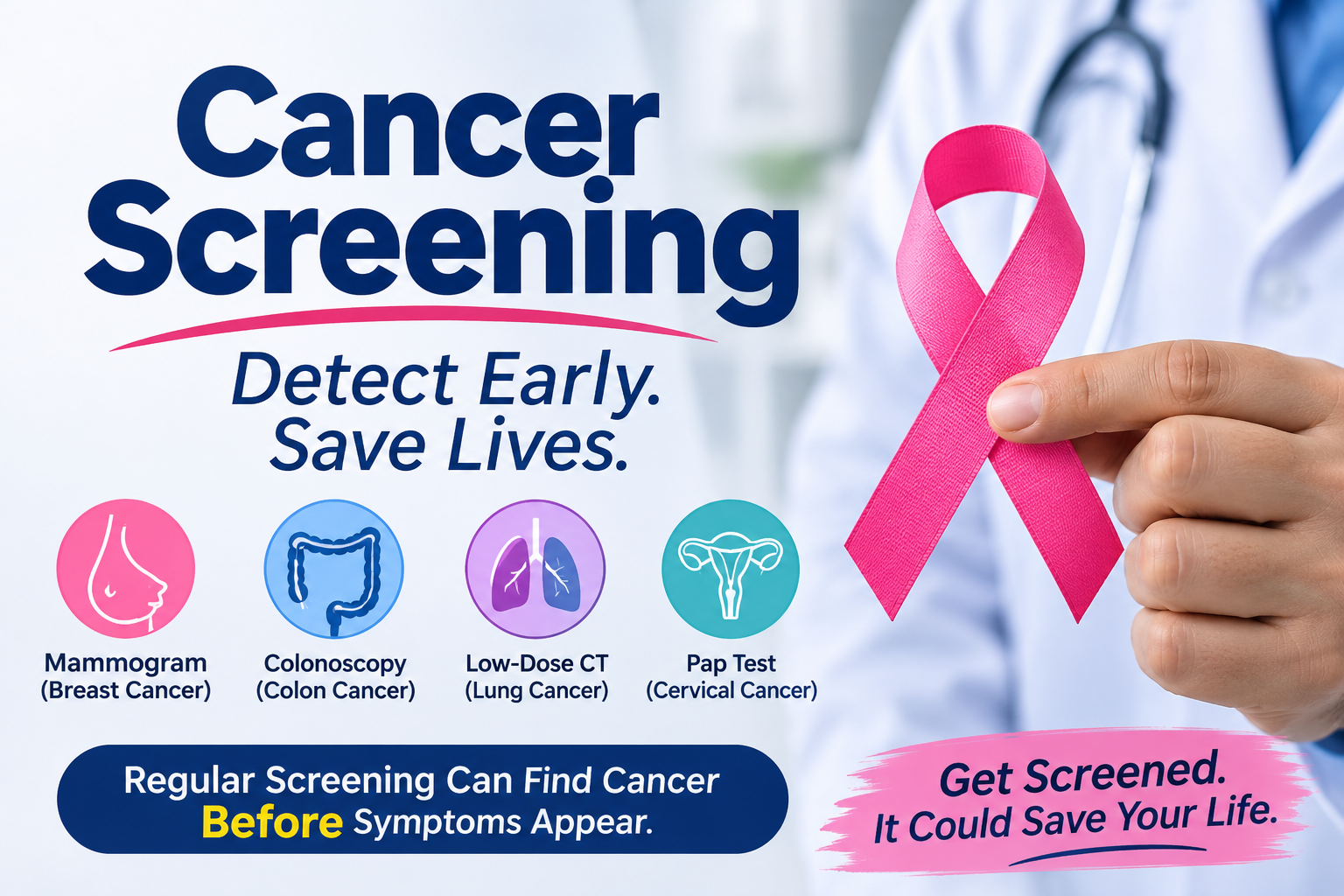
Cancer Early Detection and Screening: Importance, Tests, Benefits and Guidelines

Introduction: Why Is Early Detection of Cancer Important?
Cancer is one of the major health challenges worldwide. It can affect different parts of the body, including the breast, lungs, colon, prostate, cervix, stomach, liver, pancreas, blood, and other organs. In many cases, cancer develops gradually and may not cause noticeable symptoms during its early stages. This is why cancer early detection and screening play an important role in cancer prevention and care.
Early detection means identifying cancer at an earlier point in its development, sometimes before symptoms appear. Cancer screening involves using specific tests to look for signs of cancer in people who do not have symptoms. Screening can help identify certain cancers at an earlier stage, when treatment may be more effective and less complex.
However, not every cancer has an established screening test, and screening is not suitable for everyone. The right test depends on factors such as age, sex, family history, lifestyle, previous medical conditions, and individual risk.
For international patients considering cancer screening or treatment in India, Peace Medical Tourism, operated by Peace Health Care Pvt Ltd, provides assistance with hospital selection, specialist appointments, medical report coordination, treatment estimates, and other patient-support arrangements.
What Is Early Detection of Cancer?
Cancer early detection refers to finding cancer as early as possible, before it has spread extensively to surrounding tissues or distant organs.
Early detection generally involves two approaches:
-
Cancer screening: Tests performed in people who do not have symptoms to identify possible cancer or precancerous changes.
-
Early diagnosis: Recognizing symptoms, consulting a doctor, and undergoing appropriate investigations to identify cancer promptly.
For example, a mammogram may identify an abnormality in the breast before a woman notices a lump. Similarly, a stool-based test or colonoscopy may identify colorectal cancer or precancerous polyps before symptoms develop.
Early detection does not guarantee a cure, but it can increase the possibility of finding cancer when more treatment options are available.
What Is Cancer Screening?
Cancer screening is the process of checking apparently healthy individuals for particular cancers before symptoms develop. Screening tests are designed to identify suspicious changes that require further medical evaluation.
A screening result does not usually confirm cancer. If a test shows an abnormality, the doctor may recommend additional investigations, such as imaging, endoscopy, or biopsy.
For example:
-
Mammography is used to screen for breast cancer.
-
Pap tests and HPV tests are used to screen for cervical cancer.
-
Stool tests and colonoscopy are used to screen for colorectal cancer.
-
Low-dose CT scans are used to screen selected people at high risk of lung cancer.
Screening recommendations vary between countries and medical organizations. A qualified doctor should help determine which tests are appropriate.
Difference Between Cancer Screening and Diagnostic Testing
Cancer screening and diagnostic testing are related, but they are not the same.
|
Cancer screening |
Diagnostic testing |
|---|---|
|
Usually performed in people without symptoms |
Performed when symptoms or suspicious findings are present |
|
Helps identify possible cancer early |
Helps determine the cause of symptoms or an abnormal result |
|
May involve mammography, Pap tests, HPV tests, or stool tests |
May involve biopsy, CT scan, MRI, endoscopy, or other investigations |
|
An abnormal result requires further assessment |
Helps establish or exclude a diagnosis |
|
Recommended according to age and risk |
Selected according to the patient's symptoms and clinical findings |
Important: If you have a persistent lump, unexplained bleeding, a changing mole, blood in your stool, or another concerning symptom, do not wait for a routine screening appointment. Consult a doctor for diagnostic evaluation.
Why Is Early Detection of Cancer Important?
Early cancer detection can make a meaningful difference in treatment planning and patient outcomes. Its benefits include:
1. Better Treatment Opportunities
When cancer is detected before it spreads, doctors may have more treatment options. Depending on the cancer type, treatment may involve surgery, radiation therapy, chemotherapy, targeted therapy, immunotherapy, or a combination.
2. Potentially Improved Survival
Many cancers have better outcomes when diagnosed at an earlier stage. However, survival depends on the cancer type, biological characteristics, patient's health, and response to treatment.
3. Less Extensive Treatment in Some Cases
Some early-stage cancers can be treated with smaller operations or more localized treatments. This may reduce treatment-related complications and recovery time, although it is not possible for every cancer.
4. Detection of Precancerous Conditions
Certain screening tests can identify abnormal cells or precancerous growths before they become cancer.
For example, cervical screening can identify precancerous changes, while colonoscopy can detect and remove certain colorectal polyps.
5. Better Treatment Planning
Early diagnosis gives patients and doctors more time to discuss treatment choices, obtain specialist opinions, understand potential costs, and plan the next steps.
6. Greater Awareness of Personal Health
Regular screening, when recommended, encourages people to understand their individual risk factors and seek medical advice when changes occur.
Which Cancers Can Be Detected Through Screening?
There are several screening methods that can help detect selected cancers or precancerous conditions. The most commonly established population-screening programmes focus on breast, cervical, and colorectal cancers. Lung cancer screening is recommended for certain people with a significant smoking history. Other tests may be appropriate for selected high-risk individuals.
1. Breast Cancer Screening
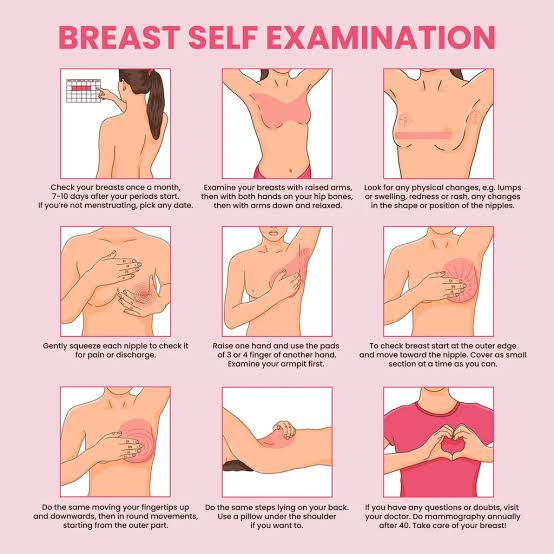
Breast cancer is one of the most common cancers affecting women. Screening can identify suspicious changes in breast tissue before a lump becomes noticeable.
Common breast cancer screening tests:
-
Mammography: Uses low-dose X-rays to examine breast tissue and identify suspicious abnormalities.
-
3D Mammography (Tomosynthesis): Takes multiple images from different angles to create a more detailed view of breast tissue.
-
Clinical Breast Examination: A healthcare professional examines the breasts for lumps, changes in shape, or other abnormalities. It is not a substitute for mammography where mammography is recommended.
-
Breast Ultrasound: May help assess a lump or an abnormality found during another examination. It is not generally a stand-alone population-screening test for average-risk women.
-
Breast MRI: May be recommended alongside mammography for women with a substantially increased lifetime risk, such as certain inherited genetic mutations.
Who should consider breast cancer screening?
Screening recommendations depend on age, personal health, family history, breast density, and individual risk. Women with a strong family history or inherited risk may need screening earlier or with additional tests.
A new breast lump, nipple discharge (particularly bloody discharge), nipple inversion, skin dimpling, or a persistent change in breast shape should be assessed by a doctor, even if a recent mammogram was normal.
2. Cervical Cancer Screening
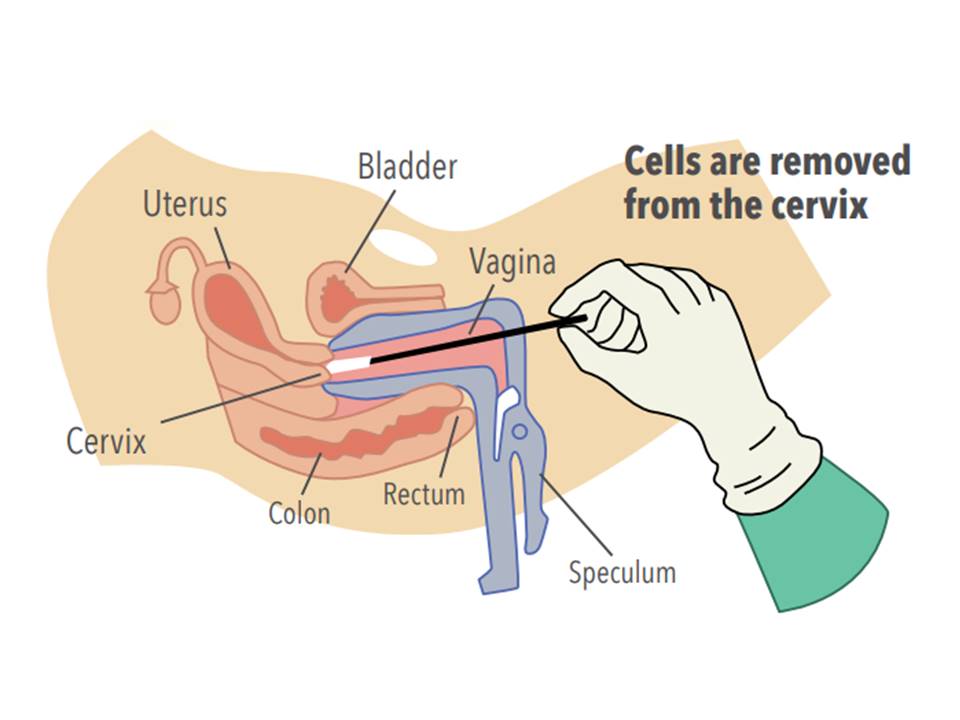
Cervical cancer develops in the cervix, the lower part of the uterus. Persistent infection with high-risk human papillomavirus (HPV) is the main cause of most cervical cancers.
Cervical cancer is particularly important in cancer prevention because screening can identify precancerous changes before they develop into invasive cancer.
Common cervical cancer screening tests:
-
Pap Smear (Pap Test): Collects cells from the cervix to identify abnormal or precancerous changes.
-
HPV Test: Checks for high-risk HPV types associated with cervical cancer.
-
HPV and Pap Co-testing: Combines both tests in eligible individuals, depending on local guidelines.
-
Visual Inspection with Acetic Acid (VIA): A healthcare professional applies a dilute acetic acid solution to the cervix and examines it for suspicious changes. It is used in some screening programmes.
Who should consider cervical cancer screening?
Screening is recommended for eligible individuals with a cervix according to age and local guidelines. The appropriate starting age and interval vary between countries and medical organizations. People with HIV, a history of cervical precancer or cancer, or a weakened immune system may need a different screening schedule.
HPV vaccination helps prevent infections from several cancer-causing HPV types, but vaccinated individuals may still need cervical screening according to medical recommendations.
3. Colorectal Cancer Screening
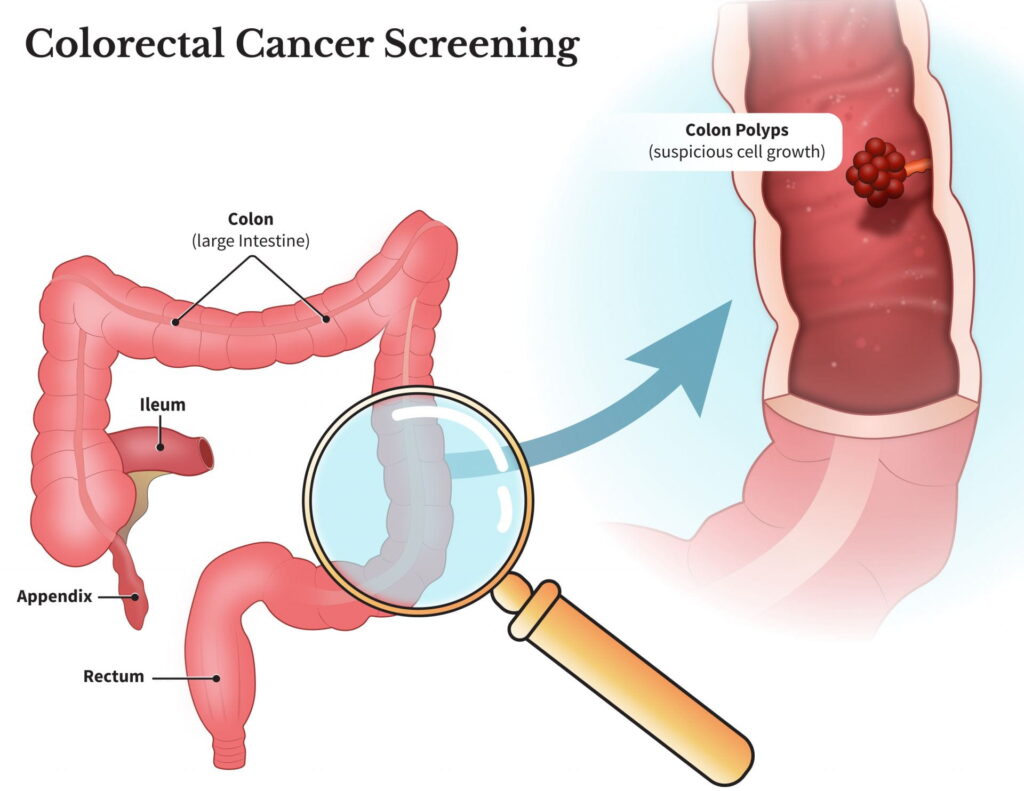
Colorectal cancer affects the colon or rectum. It can develop from abnormal growths called polyps. Some polyps may gradually become cancerous, so screening can help detect them and, in certain cases, remove them before cancer develops.
Common colorectal cancer screening tests:
-
Colonoscopy: A flexible camera is used to examine the inside of the colon and rectum. Polyps can often be removed during the same procedure.
-
FIT (Fecal Immunochemical Test): Detects small amounts of hidden blood in stool.
-
FOBT (Fecal Occult Blood Test): Checks stool samples for hidden blood.
-
Stool DNA Testing: Looks for certain DNA changes and blood in stool that may be associated with colorectal cancer.
-
Flexible Sigmoidoscopy: Examines the rectum and lower part of the colon.
-
CT Colonography: Uses CT imaging to examine the colon for suspicious abnormalities.
Who should consider colorectal cancer screening?
Screening is generally recommended for adults within the age groups specified by their national guidelines. For example, the American Cancer Society recommends that average-risk adults in the United States begin screening at age 45. Other countries may use different starting ages and screening methods.
People with a family history of colorectal cancer, inherited syndromes, inflammatory bowel disease, or previous colorectal polyps may need earlier or more frequent screening.
Blood in the stool, persistent changes in bowel habits, unexplained weight loss, or ongoing abdominal discomfort require medical evaluation rather than waiting for a routine screening test.
4. Lung Cancer Screening
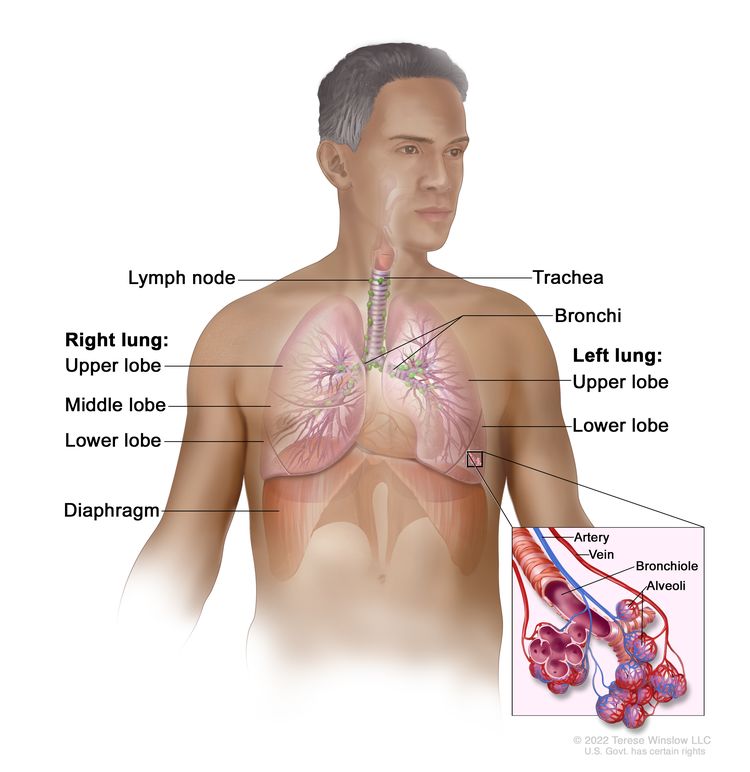
Lung cancer often develops without obvious symptoms in its early stages. Low-dose computed tomography (LDCT) can identify small lung nodules and other suspicious changes in selected high-risk individuals.
Common lung cancer investigations:
-
Low-Dose CT Scan: Uses a lower radiation dose than a standard chest CT and is the recommended screening test for eligible high-risk individuals.
-
Chest X-ray: May be used to investigate symptoms, but it is not an effective routine screening test for lung cancer.
-
Sputum Cytology: Examines mucus from the lungs for abnormal cells but is not recommended as a routine screening test for the general population.
-
Bronchoscopy and Biopsy: May be recommended to investigate suspicious findings, but these are diagnostic procedures rather than routine screening tests.
Who should consider lung cancer screening?
LDCT screening is generally considered for people with a significant smoking history who meet specific age and health criteria. The exact criteria vary by guideline. People who have never smoked or have a low smoking exposure should not assume that annual CT scans are beneficial.
Stopping smoking is one of the most important ways to reduce the risk of lung cancer.
5. Prostate Cancer Screening
Prostate cancer develops in the prostate gland, which is part of the male reproductive system. Some prostate cancers grow slowly, while others can be aggressive.
Common prostate cancer tests:
-
PSA Blood Test: Measures prostate-specific antigen in the blood. An elevated PSA level does not automatically mean cancer.
-
Digital Rectal Examination (DRE): A doctor examines the prostate through the rectum to check for abnormalities. It may be used as part of an evaluation.
-
Prostate MRI: Helps assess suspicious areas and guide further investigation.
-
Prostate Biopsy: Collects tissue samples to confirm whether cancer is present.
Who should consider prostate cancer screening?
PSA screening is not automatically recommended for every man. Men should discuss potential benefits and harms with a urologist, particularly if they are older, have a close family history of prostate cancer, or have other risk factors.
Screening decisions should consider age, overall health, life expectancy, personal preferences, and the possibility of false-positive results or overdiagnosis.
6. Oral Cancer Screening
Oral cancer can affect the lips, tongue, gums, inner cheeks, floor of the mouth, and other areas of the oral cavity. Tobacco use, chewing tobacco, areca nut or betel quid, and alcohol consumption are important risk factors.
Common examination methods:
-
Visual examination of the mouth, tongue, gums, and inner cheeks.
-
Physical examination to identify unusual lumps or enlarged lymph nodes.
-
Biopsy of a suspicious lesion to confirm the diagnosis.
People who use tobacco or areca nut should seek regular dental or medical assessment. A persistent mouth ulcer, red or white patch, unexplained bleeding, difficulty swallowing, or a lump in the neck should be examined promptly.
Routine population screening for oral cancer is not universally recommended in all countries. Screening or targeted examination may be used in high-risk populations according to local programmes.
7. Skin Cancer Detection
Skin cancer may develop in different forms, including basal cell carcinoma, squamous cell carcinoma, and melanoma.
Common methods of skin evaluation:
-
Visual examination of the skin.
-
Dermatoscopy, which allows a dermatologist to examine a mole more closely.
-
Skin biopsy when a suspicious lesion requires confirmation.
Watch for a new or changing mole, an irregular border, multiple colours, increasing size, bleeding, itching, or a sore that does not heal.
There is no universal recommendation for routine skin cancer screening of all asymptomatic adults. A dermatologist may recommend examination based on personal risk factors and skin changes.
8. Liver Cancer Detection
Liver cancer may be associated with chronic hepatitis B or C infection, cirrhosis, and other long-term liver conditions.
Tests used in selected high-risk patients include:
-
Liver ultrasound.
-
Alpha-fetoprotein (AFP) blood test, when recommended.
-
CT scan or MRI to evaluate suspicious liver findings.
-
Liver biopsy in selected cases when imaging is not sufficient to establish a diagnosis.
People with cirrhosis or certain chronic hepatitis infections may require regular surveillance under a specialist's guidance. These tests are not recommended as general screening for everyone.
9. Stomach Cancer Detection
Stomach cancer, also known as gastric cancer, can cause symptoms such as persistent indigestion, abdominal discomfort, early fullness, unexplained weight loss, or vomiting. These symptoms are not specific to cancer, but persistent or worsening symptoms should be evaluated.
Tests used to investigate suspected stomach cancer include:
-
Upper gastrointestinal endoscopy.
-
Biopsy of suspicious tissue.
-
CT scan to assess the extent of disease after diagnosis.
-
Testing for Helicobacter pylori (H. pylori), where appropriate.
There is no widely recommended routine population-screening programme for stomach cancer in most countries. In some high-risk regions or individuals, doctors may recommend a more individualized approach.
10. Ovarian Cancer Detection
Ovarian cancer can be difficult to identify early because its symptoms may be vague and overlap with common digestive or urinary problems.
Possible symptoms include persistent abdominal bloating, pelvic discomfort, feeling full quickly, and frequent urination.
Investigations may include pelvic examination, transvaginal ultrasound, and CA-125 blood testing. However, these tests are not recommended as routine screening for average-risk women without symptoms because they have not been shown to reduce ovarian cancer deaths and may lead to unnecessary procedures.
Women with a strong family history or inherited cancer-risk mutations should discuss genetic counselling and risk-management options with a specialist.
11. Pancreatic Cancer Detection
There is currently no established routine screening test for pancreatic cancer in the general population.
People with a strong family history or certain inherited genetic conditions may be considered for specialist surveillance programmes.
Depending on individual risk, investigations may include:
-
MRI or MRCP.
-
Endoscopic ultrasound.
-
Genetic counselling and testing where indicated.
A CT scan, MRI, or CA 19-9 blood test may be used during the evaluation of suspected pancreatic cancer, but CA 19-9 is not a reliable general screening test.
12. Blood Cancer and Leukemia Detection
Leukemia is a cancer of blood-forming tissues, including the bone marrow. Unlike breast or cervical cancer, there is no established routine screening test for leukemia in healthy people without symptoms.
A complete blood count (CBC) may identify unusual blood cell levels, but an abnormal result does not automatically mean leukemia.
When leukemia is suspected, doctors may recommend:
-
Complete blood count and peripheral blood smear.
-
Bone marrow aspiration and biopsy.
-
Flow cytometry.
-
Cytogenetic and molecular tests.
-
Additional investigations based on the suspected leukemia type.
Persistent fatigue, frequent infections, unexplained bruising, unusual bleeding, fever, or unexplained weight loss should be assessed by a doctor.
What Are the Common Tests Used for Cancer Early Detection?
The following tests may be used for screening or diagnostic evaluation, depending on the type of cancer and the patient's risk.
|
Test |
Common purpose |
|---|---|
|
Mammography |
Breast cancer screening |
|
Pap smear |
Cervical precancer and cancer screening |
|
HPV test |
Cervical cancer risk screening |
|
Colonoscopy |
Colorectal cancer screening and diagnosis |
|
FIT or FOBT |
Colorectal cancer screening |
|
Low-dose CT |
Lung cancer screening in eligible high-risk individuals |
|
PSA blood test |
Prostate cancer risk assessment |
|
Oral examination |
Evaluation of suspicious mouth lesions |
|
Ultrasound |
Evaluation of selected organs and abnormalities |
|
MRI |
Detailed imaging of selected body areas |
|
CT scan |
Investigation and staging of suspected cancer |
|
Biopsy |
Examination of tissue to confirm a cancer diagnosis |
|
CBC |
Assessment of blood cells; may help investigate suspected blood cancer |
Not every test is suitable for every individual. A doctor should recommend tests according to clinical guidelines and personal risk.
Who Needs Cancer Screening?
Cancer screening is not limited to people who have a family history of cancer. Some cancers occur in individuals without any known risk factors.
However, screening decisions should consider the following:
1. Age
The risk of many cancers increases with age. Screening recommendations often specify an age range in which the benefits of testing are expected to outweigh potential harms.
2. Family History
A family history of breast, ovarian, colorectal, prostate, or other cancers may indicate an increased risk. The doctor may recommend earlier screening or genetic counselling.
3. Genetic Risk
Certain inherited gene changes, such as BRCA1, BRCA2, and Lynch syndrome-associated mutations, can increase the risk of particular cancers. People with a known inherited risk may need a personalized screening plan.
4. Smoking and Tobacco Use
Smoking increases the risk of lung cancer and several other cancers. People with a significant smoking history may qualify for low-dose CT lung screening.
5. Alcohol Consumption
Alcohol consumption is associated with an increased risk of several cancers, including cancers of the mouth, throat, oesophagus, liver, breast, and colorectum.
6. Obesity and Physical Inactivity
Excess body weight and lack of physical activity are associated with an increased risk of several cancers. Maintaining a healthy weight and regular physical activity can help reduce some cancer risks.
7. Previous Cancer or Precancerous Conditions
People who have previously had cancer or certain precancerous conditions may need ongoing surveillance. Their follow-up schedule is different from routine screening for the general population.
What Are the Warning Signs of Cancer?
Cancer symptoms vary depending on the organ affected. Some symptoms can be caused by infections or other non-cancerous conditions, but persistent or unexplained changes should not be ignored.
Common warning signs include:
-
A new lump or swelling in the breast, neck, armpit, or another part of the body.
-
Unexplained weight loss.
-
Persistent fatigue or weakness.
-
Unusual bleeding or bruising.
-
Blood in the stool or urine.
-
A persistent cough or hoarseness.
-
Difficulty swallowing.
-
Changes in bowel or bladder habits.
-
A sore that does not heal.
-
Changes in the size, shape, or colour of a mole.
-
Persistent abdominal pain or bloating.
-
Unexplained fever or night sweats.
Having one or more of these symptoms does not necessarily mean that a person has cancer. However, timely medical evaluation is important.
How to Prepare for Cancer Screening
Preparing for cancer screening is usually straightforward, but the instructions depend on the test being performed. Patients should follow the hospital's or doctor's instructions carefully.
1. Consult a Doctor
Discuss your age, medical history, family history, lifestyle, previous test results, and any current symptoms. The doctor can assess your risk and recommend suitable screening tests.
2. Share Your Medical History
Inform the doctor about:
-
Previous cancer diagnosis or treatment.
-
Family history of cancer.
-
Previous abnormal screening results.
-
Existing medical conditions.
-
Current medicines and supplements.
-
Allergies, including reactions to contrast dyes or medicines.
-
Smoking, tobacco, and alcohol history.
3. Follow Test-Specific Instructions
Different screening tests require different preparations.
-
Mammography: Tell the imaging centre if you are pregnant, breastfeeding, or have breast implants. Avoid applying deodorant, powder, or lotion around the breasts and underarms on the day of the examination.
-
Colonoscopy: Follow the prescribed bowel-cleansing instructions. Your doctor will explain dietary restrictions and how to manage medicines such as blood thinners or diabetes medication.
-
FIT or FOBT: Follow the kit instructions. Some stool tests do not require dietary changes, while others may have specific instructions.
-
Pap Smear or HPV Test: Follow the clinic's instructions about timing and preparation. You may be asked to avoid vaginal medicines or intercourse for a short period before the test.
-
Blood Tests: Ask whether fasting is required. Do not stop prescribed medicines unless instructed.
-
CT or MRI: Inform the medical team about pregnancy, kidney problems, implants, allergies, or previous reactions to contrast material.
4. Carry Previous Reports
Bring earlier scans, pathology reports, blood test results, prescriptions, and details of previous operations. Comparing previous and current results can help doctors identify changes.
5. Understand the Benefits and Limitations
Ask why a particular test is recommended, how often it should be repeated, what an abnormal result could mean, and what follow-up investigations may be needed.
How Is the Cancer Screening Procedure Performed?
The procedure depends on the type of cancer being screened. Most screening tests are performed in outpatient departments and do not require hospital admission.
Step 1: Medical Consultation
The doctor reviews the patient's age, symptoms, family history, lifestyle, and risk factors to decide whether screening is appropriate.
Step 2: Selection of Screening Tests
The doctor recommends the relevant test. For example, a mammogram may be advised for breast screening, while an HPV test or Pap smear may be recommended for cervical screening.
Step 3: Performing the Test
The screening test is performed by a trained healthcare professional or diagnostic team. Some tests, such as blood and stool tests, can be completed with a simple sample collection. Other tests, such as mammography, colonoscopy, or low-dose CT, require specialized equipment.
Step 4: Review of Results
A radiologist, pathologist, or other qualified specialist reviews the findings, depending on the test. The result may be reported as normal, abnormal, suspicious, or requiring further evaluation.
Step 5: Additional Investigations if Required
An abnormal screening result does not necessarily mean cancer. The doctor may recommend a repeat test, diagnostic imaging, endoscopy, or biopsy to determine the cause.
Step 6: Treatment or Follow-Up
If cancer or a precancerous condition is confirmed, the patient is referred to the appropriate specialist. The treatment plan depends on the diagnosis, extent of disease, and overall health.
What Happens After an Abnormal Cancer Screening Result?
An abnormal screening result can cause anxiety, but it is important to understand that an abnormal result is not the same as a cancer diagnosis.
For example, a mammogram may identify a breast lump that is benign. A positive stool blood test may occur because of polyps, haemorrhoids, or other conditions. An abnormal Pap smear may indicate precancerous changes rather than invasive cancer.
The doctor may recommend:
-
Repeat screening or additional laboratory testing.
-
Diagnostic ultrasound, mammography, CT, or MRI.
-
Endoscopy or colonoscopy.
-
Biopsy of a suspicious area.
-
Pathology review and additional molecular testing, where appropriate.
If cancer is confirmed, the specialist may recommend further investigations to determine the stage and select an appropriate treatment.
What Are the Benefits of Cancer Screening?
Cancer screening can provide several benefits when the correct tests are used for the right population.
-
Earlier identification: Some cancers can be detected before symptoms develop.
-
Detection of precancerous changes: Certain tests can identify abnormalities before invasive cancer develops.
-
More treatment choices: Earlier diagnosis may provide access to a wider range of treatment options.
-
Potentially less extensive treatment: Some cancers detected early may be treated with less extensive procedures.
-
Improved outcomes: Screening for selected cancers has been shown to reduce cancer-related deaths in appropriate populations.
-
Better health awareness: Screening consultations provide an opportunity to discuss risk factors and prevention.
What Are the Risks and Limitations of Cancer Screening?
Although screening can save lives, it is not perfect. Every screening test has limitations, and the potential benefits should be balanced against possible harms.
1. False-Positive Results
A false-positive result occurs when a screening test suggests a possible cancer even though cancer is not present. It may lead to additional scans, biopsies, anxiety, and unnecessary procedures.
2. False-Negative Results
A false-negative result occurs when a test does not identify a cancer that is actually present. Therefore, a normal screening result should not be used to ignore new or persistent symptoms.
3. Overdiagnosis
Overdiagnosis means identifying a cancer that would never have caused symptoms or affected the person's health during their lifetime. This may lead to unnecessary treatment.
4. Overtreatment
Some abnormalities detected through screening may not progress or cause serious illness. Treating such findings unnecessarily can expose patients to treatment complications.
5. Radiation Exposure
Some screening tests, including mammography and CT scans, use ionizing radiation. The radiation dose and the expected benefits should be considered before testing.
6. Anxiety and Emotional Stress
Waiting for results or receiving an abnormal report can cause stress. Clear communication and appropriate counselling can help patients understand the next steps.
7. Financial Costs
Screening may involve consultation fees, diagnostic tests, follow-up investigations, and travel expenses. Patients should understand the likely costs before starting a screening programme.
Is a Full-Body Cancer Screening Check-Up Necessary?
A full-body health check-up may include blood tests, ultrasound, X-rays, CT scans, MRI, and tumour-marker tests. However, undergoing every available test does not necessarily improve cancer detection or survival.
There is no single full-body screening package that reliably detects every type of cancer at an early stage.
Some tests may identify harmless abnormalities that lead to unnecessary investigations. Whole-body CT scans also expose patients to radiation, while tumour markers can be abnormal for non-cancerous reasons or remain normal in people who have cancer.
A better approach is to choose evidence-based screening tests according to personal risk, age, family history, and medical recommendations.
Are Tumour Marker Tests Useful for Early Cancer Detection?
Tumour markers are substances that may be produced by cancer cells or by normal cells in response to certain conditions. They can be measured in blood or other body fluids.
Examples include:
-
PSA: Used in prostate cancer risk assessment and monitoring.
-
CA-125: May help evaluate certain ovarian conditions and monitor some patients with ovarian cancer.
-
CEA: Commonly used to monitor selected patients with colorectal cancer after diagnosis and treatment.
-
AFP: Used in the evaluation and surveillance of selected patients at risk of liver cancer.
-
CA 19-9: May help monitor some patients with pancreatic or biliary cancers.
Tumour markers are not reliable general screening tests for most cancers. They should be ordered and interpreted in the context of a patient's medical history and other investigations.
How Often Should You Get Cancer Screening?
The screening interval depends on the type of cancer, test used, age, previous results, and individual risk.
For example, some cervical screening tests are repeated every few years, while eligible high-risk individuals may be advised to undergo annual low-dose CT lung screening. Mammography and colorectal screening also have different recommended intervals.
There is no single screening schedule suitable for everyone.
People with inherited cancer-risk conditions, a strong family history, previous cancer, or abnormal screening results may need a personalized follow-up plan.
Cancer Screening Recommendations: Important Considerations for India
Cancer screening recommendations can differ between India, the United States, the United Kingdom, and other countries. This is because cancer patterns, healthcare resources, screening programmes, and population risks are not identical.
In India, public health initiatives have included screening and early detection activities for common cancers such as oral, breast, and cervical cancer, particularly through community-based healthcare services.
People should consult a qualified doctor or an appropriate screening centre to understand which tests are recommended in their age group and risk category.
For international patients travelling to India, the screening plan should be based on medical history and clinical need rather than selecting every test in a package. Patients should also ensure that abnormal results can be followed up with the necessary diagnostic services.
How Can You Reduce Your Risk of Cancer?
Screening helps detect selected cancers early, while healthy lifestyle choices can reduce the risk of developing some cancers. Prevention and screening work together.
1. Avoid Tobacco
Avoid cigarettes, bidis, chewing tobacco, gutka, and other tobacco products. Tobacco is associated with cancers of the lung, mouth, throat, oesophagus, bladder, and several other organs.
2. Limit or Avoid Alcohol
Alcohol consumption increases the risk of several cancers. Avoiding alcohol or reducing consumption can help lower cancer risk.
3. Maintain a Healthy Body Weight
Excess body weight is associated with an increased risk of several cancers. A balanced diet and regular physical activity can support healthy weight management.
4. Eat a Balanced Diet
Include vegetables, fruits, whole grains, beans, and other fibre-rich foods. Limit processed meat and reduce frequent consumption of highly processed foods.
5. Exercise Regularly
Regular physical activity supports overall health and may reduce the risk of certain cancers. Choose activities appropriate for your age and fitness level.
6. Get Recommended Vaccinations
HPV vaccination helps prevent infection with HPV types responsible for many cervical cancers and some other cancers. Hepatitis B vaccination helps prevent chronic hepatitis B infection, which can lead to liver cancer.
7. Protect Your Skin from Excessive Sun Exposure
Use protective clothing, shade, and appropriate sunscreen to reduce harmful ultraviolet exposure.
8. Follow Workplace Safety Guidelines
Use suitable protective equipment and follow safety procedures when working with chemicals or other cancer-causing substances.
9. Seek Medical Advice for Persistent Symptoms
Do not delay medical consultation for unexplained lumps, bleeding, weight loss, persistent cough, or other concerning changes.
Why Choose India for Cancer Screening and Early Detection?
India has a wide network of hospitals, diagnostic centres, cancer institutes, and specialist doctors offering different screening and diagnostic services.
Depending on the hospital and location, international patients may have access to:
-
Digital mammography and 3D mammography.
-
HPV testing and Pap smear facilities.
-
Colonoscopy and advanced endoscopy.
-
Low-dose CT and other imaging services.
-
Histopathology and molecular diagnostic testing.
-
Genetic counselling and selected genetic tests.
-
Multidisciplinary oncology consultations.
The availability of a particular test, its quality, and the expertise of the medical team should be verified at the specific hospital before making travel arrangements.
Factors to Consider When Choosing a Cancer Screening Hospital
-
Experience and qualifications of the relevant specialists.
-
Accreditation and quality standards.
-
Availability of modern diagnostic equipment.
-
Access to pathology and laboratory services.
-
Availability of biopsy and follow-up facilities.
-
Clear communication of test results.
-
Coordination between radiologists, pathologists, and oncologists.
-
Transparent estimates of consultation and diagnostic costs.
How Peace Medical Tourism Helps International Patients
Peace Medical Tourism, operated by Peace Health Care Pvt Ltd, assists international patients who are exploring cancer screening, diagnosis, and treatment options in India.
With more than 10 years of experience in medical tourism coordination, our team helps patients understand available hospital options and coordinate their medical journey according to their clinical requirements and budget.
Our assistance may include:
-
Hospital Selection: Support in identifying suitable hospitals and diagnostic centres.
-
Specialist Coordination: Assistance in arranging consultations with relevant oncologists and specialists.
-
Medical Report Coordination: Helping patients share previous reports and medical records for hospital review.
-
Appointment Scheduling: Coordination of consultations and diagnostic appointments.
-
Cost Estimate Coordination: Assistance in obtaining estimates from hospitals for recommended tests and procedures.
-
Medical Visa Guidance: Guidance and invitation-letter assistance where applicable.
-
Airport and Accommodation Support: Coordination subject to agreed arrangements.
-
Follow-Up Coordination: Assistance in communicating with the treating team after the patient returns home.
Our aim is to help international patients make informed decisions through clear communication and transparent coordination.
Contact Peace Medical Tourism
-
Website: https://peacemedicaltourism.com/
-
Email: treatmentquery@gmail.com
-
WhatsApp/Viber: +91 9582708782
Frequently Asked Questions About Cancer Early Detection and Screening
1. What Is the Best Test for Early Detection of Cancer?
There is no single test that detects every type of cancer. The best test depends on the cancer being screened for and the individual's age and risk factors. Examples include mammography for breast cancer, HPV testing for cervical cancer, stool tests or colonoscopy for colorectal cancer, and low-dose CT for eligible high-risk people for lung cancer.
2. Can a Blood Test Detect Cancer Early?
Some blood tests can help identify abnormalities associated with particular cancers, but routine blood tests cannot reliably detect all cancers. A complete blood count may help investigate suspected blood disorders, while tumour markers are useful in selected clinical situations. A blood test alone cannot rule out cancer.
3. Can Cancer Be Detected Before Symptoms Appear?
Yes. Screening tests can identify certain cancers or precancerous changes before symptoms develop. Mammography, cervical screening, and colorectal screening are examples. However, not every cancer has an established screening test.
4. At What Age Should Cancer Screening Start?
There is no single starting age for all cancers. The appropriate age depends on the type of cancer, the screening guideline followed, personal risk, and family history. Some people at increased risk may need screening earlier than average-risk individuals.
5. Is Cancer Screening Necessary if There Is No Family History?
Yes. Many people diagnosed with cancer have no known family history. Age, lifestyle, infections, environmental exposures, and other factors can contribute to cancer risk. Screening should be based on established recommendations, not family history alone.
6. Does a Normal Cancer Screening Result Mean I Do Not Have Cancer?
No screening test is perfect. A normal result reduces the likelihood of the cancer being present but cannot rule it out completely. If you develop persistent or unexplained symptoms, consult a doctor even after a normal screening result.
7. Can an Ultrasound Detect All Types of Cancer?
No. Ultrasound can help examine selected organs and investigate abnormalities, but it cannot detect every cancer. Some cancers require mammography, endoscopy, CT, MRI, biopsy, or other specialized investigations.
8. Is a Full-Body MRI or CT Scan Recommended for Cancer Screening?
Routine full-body MRI or CT scanning is not recommended for every healthy person. These scans may identify incidental abnormalities, lead to unnecessary investigations, and, in the case of CT, expose patients to radiation. Imaging should be recommended according to clinical need and individual risk.
9. What Should I Do if My Screening Test Is Positive?
Do not panic. A positive or abnormal screening result does not automatically mean cancer. Consult the doctor who recommended the test. Additional imaging, repeat testing, endoscopy, or biopsy may be required to establish the diagnosis.
10. Can Early Detection Guarantee a Cure?
No. Early detection can improve the possibility of successful treatment for many cancers, but it does not guarantee a cure. Outcomes depend on cancer type, biological characteristics, extent of disease, treatment response, and the patient's overall health.
11. Is Cervical Cancer Preventable?
Many cervical cancers can be prevented through HPV vaccination, appropriate cervical screening, and timely treatment of precancerous changes. Regular screening remains important even for many people who have received HPV vaccination.
12. Can Colonoscopy Prevent Colorectal Cancer?
Colonoscopy can identify and remove certain precancerous polyps, reducing the risk that those polyps will develop into cancer. It can also detect colorectal cancer at an earlier stage.
13. Is PSA Testing Necessary for Every Man?
No. PSA testing has potential benefits and limitations. It may lead to false-positive results and detection of slow-growing cancers that would never cause harm. Men should discuss the decision with a healthcare professional.
14. Which Doctor Should I Consult for Cancer Screening?
The appropriate doctor depends on the screening test. You may consult a general physician, gynaecologist, breast specialist, gastroenterologist, pulmonologist, urologist, dermatologist, or oncologist. A primary care doctor can help identify which specialist is appropriate.
15. Can International Patients Get Cancer Screening in India?
Yes. International patients can arrange consultations and suitable screening or diagnostic tests at hospitals in India. The recommended tests should be selected after reviewing medical history, age, symptoms, and risk factors.
Conclusion: Early Detection Can Make a Difference
Cancer early detection and screening are important parts of modern healthcare. Screening can identify certain cancers before symptoms appear and may detect precancerous changes that can be treated before cancer develops. However, screening is effective only when the right test is offered to the right person at the appropriate time.
People should understand their personal risk, follow recommended screening schedules, avoid tobacco, maintain healthy lifestyle habits, and seek medical advice when unusual symptoms persist.
If an abnormality is identified, timely follow-up and accurate diagnosis are essential. Consult qualified specialists to understand the available treatment options and make informed decisions about your health.
Medical Disclaimer: This article is intended for general educational purposes only. It does not replace professional medical advice, diagnosis, or treatment. Cancer screening recommendations vary by country and individual risk. Always consult a qualified healthcare professional before undergoing screening or diagnostic investigations.
SEO details
Meta Title: Cancer Early Detection and Screening: Tests, Benefits & Guidelines
Meta Description: Learn about cancer early detection and screening, including mammography, Pap smear, HPV, colonoscopy, CT scans, warning signs, benefits and guidelines.
Meta Keywords: cancer early detection, cancer screening, early detection of cancer, cancer screening tests, cancer diagnosis, cancer prevention, breast cancer screening, cervical cancer screening, colon cancer screening, lung cancer screening, prostate cancer screening, oral cancer screening, cancer symptoms, cancer detection tests, cancer screening in India, cancer hospitals in India, cancer specialist in India, early cancer diagnosis, cancer treatment in India.
Suggested URL: https://peacemedicaltourism.com/blog/cancer-early-detection-and-screening
Medical references for editorial review
The screening information above is informed by these medical organizations:
-
World Health Organization (WHO): Cancer – Early Diagnosis and Screening.
World Health Organization+1
-
National Cancer Institute (NCI): Cancer Screening Tests.
NCI+1
-
American Cancer Society: Cancer Screening Guidelines.